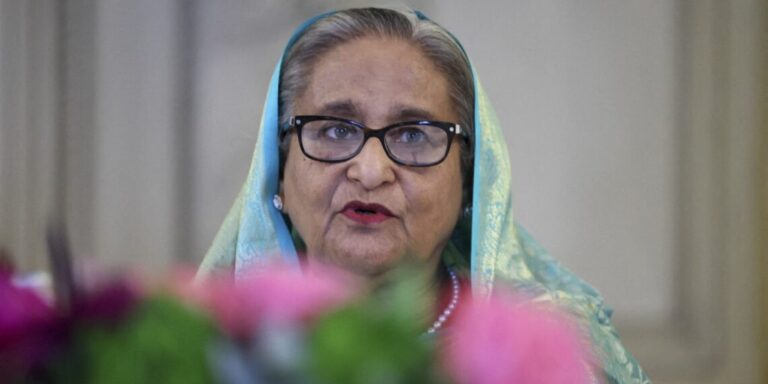
In 2024, Bangladesh found itself drawn into a new kind of war—not of weapons, but of words. Where previous generations fought for independence and secularism, today’s struggle is against the insidious spread of disinformation and narrative manipulation. The recent BBC Eye report, centered on an 18-second audio clip allegedly implicating former Prime Minister Sheikh Hasina, exemplifies the dangers of selective storytelling and omission. Released without full context or transparent forensic authentication, the clip has been used to fuel unsubstantiated claims and undermine democratic institutions.
This episode is part of a broader pattern: inflated death tolls, decontextualized data, and weaponized narratives have been wielded by political and extremist groups to erode trust, delegitimize governance, and rewrite history. When international media amplifies such claims without rigorous verification, it risks legitimizing those who seek to destabilize Bangladesh’s secular and democratic foundations.
In this war of narratives, truth demands more than good intentions—it requires precision, accountability, and unwavering commitment to context. Anything less threatens not only the integrity of journalism, but the very soul of Bangladesh’s democracy.