Since 2022, 3,518 foreign nationals have been arrested in Tripura: Chief Minister Manik Saha.

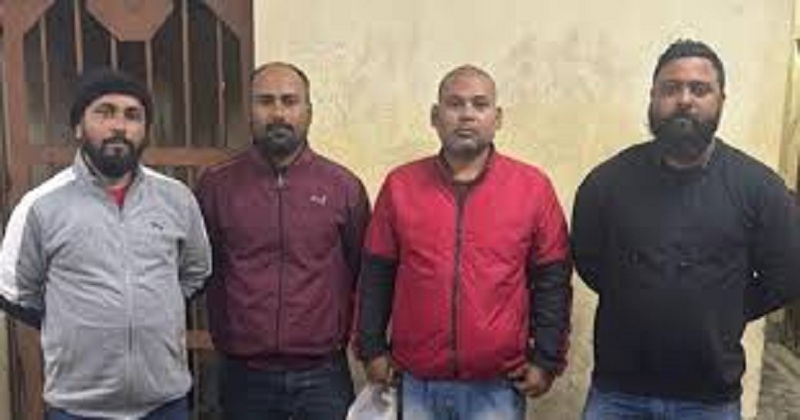
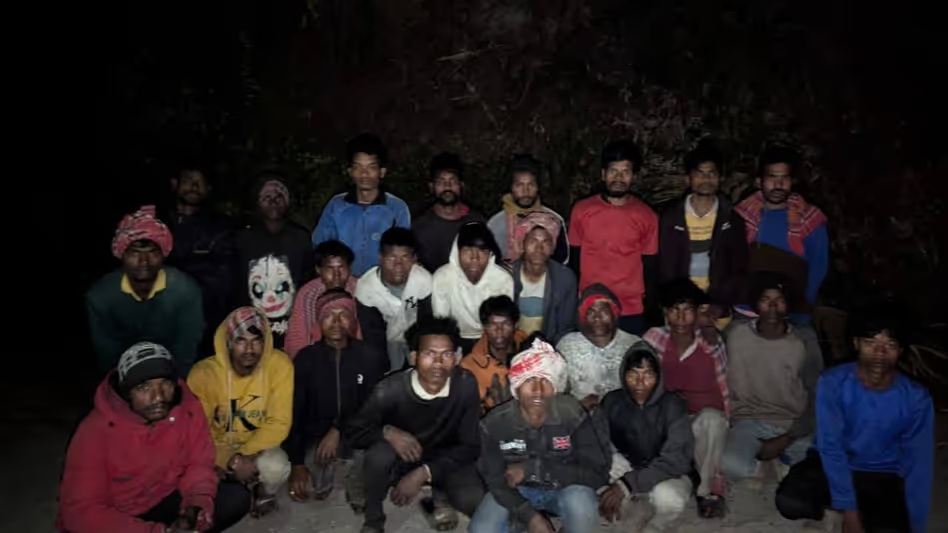
Tripura Chief Minister Manik Saha informed the state Assembly on Tuesday that 3,518 foreign nationals, mostly Bangladeshi citizens, have been arrested since 2022 for illegal entry. Responding to a notice by Tipra Motha Party MLA Ranjit Debbarma, he said special task forces have been set up in all eight districts to curb infiltration and monitor border-related crimes, in coordination with central directives.

Sharing year-wise data, Saha reported that 965 were arrested in 2022, 1,014 in 2023, 947 in 2024, and 390 up to August 31, 2025. Of these, 2,739 individuals have already been repatriated, including 894 in 2022, 696 in 2023, 676 in 2024, and 441 this year.

The chief minister noted that barbed wire fencing along parts of the 856-km India-Bangladesh border remains incomplete, complicating security efforts. He emphasized that the state “will not compromise on the issue of infiltration” and is also acting against the use of fake documents.

Following the “missing” of 4,000 MT of coal, Meghalaya ordered a further inspection.

The Meghalaya government has informed the High Court that it has ordered a fresh verification of coal dump sites in South West Khasi Hills after nearly 4,000 metric tonnes of coal spotted during an aerial survey could not be traced on the ground. In an affidavit filed on Monday, the state assured that a final report would be submitted within a month.

A three-member committee of senior officials, formed to probe the mismatch, found it “highly improbable” that such a large volume of coal could disappear unnoticed, attributing the inconsistency to incomplete datasets, environmental factors and the absence of geotagged coordinates. The committee also highlighted continued risks of illegal cross-border coal smuggling, recommending stronger surveillance and inter-agency enforcement.

Meanwhile, former minister Kyrmen Shylla drew widespread criticism after quipping that the missing coal may have been “washed away by rains into Bangladesh,” remarks denounced by civil society groups and opposition parties as “absurd” and “irresponsible.”

The case comes amid continued judicial scrutiny of Meghalaya’s coal sector, where despite a 2014 NGT ban on unscientific mining and transport, multiple inquiries have confirmed the persistence of illegal rat-hole mining. The High Court has said it will keep monitoring the matter to ensure transparency and enforcement of environmental safeguards.

Meghalaya considers other states’ transportation models to settle the tourist taxi dispute.

The Meghalaya government will examine transport policies from states such as Sikkim, Karnataka and Maharashtra before deciding on measures regarding the entry of Assam-registered tourist vehicles, Deputy Chief Minister and Transport Minister Sniawbhalang Dhar said on Tuesday. He informed that Chief Secretary Donald Phillips Wahlang and senior transport officials have been tasked to consult their counterparts in other states to gather insights.

Dhar made the remarks after meeting the All Khasi Meghalaya Tourist Taxi Association (AKMTTA), which has demanded restrictions on outside taxis to safeguard local livelihoods. He urged the association to remain patient, emphasizing that the issue requires careful deliberation, dialogue, and stakeholder consultations.

The AKMTTA had recently staged protests seeking a ban on Assam taxis but suspended their agitation after government assurances. Tensions escalated last week following a scuffle between drivers of both states at Jorabat, causing disruptions to tourist traffic.

With tourism being a key pillar of Meghalaya’s economy, Dhar assured that any decision will balance the interests of stakeholders, noting that frameworks from other states will guide the government’s final approach.

Despite environmental objections, the centre approves the Oju hydropower project in Arunachal.

The Centre has cleared the 2,220 MW Oju hydroelectric project in Arunachal Pradesh’s Upper Subansiri district, one of India’s largest upcoming hydropower schemes in a strategically sensitive Himalayan frontier. The ₹24,942 crore run-of-the-river project, to be executed by Oju Subansiri Hydro Power Corporation Pvt. Ltd., features a 100-metre-high concrete gravity dam, a 14.12 km headrace tunnel and an underground powerhouse designed to generate 8,402 million units annually.

The Ministry of Environment’s Expert Appraisal Committee (EAC), which granted approval on September 12, 2025, has directed the developer to account for glacial lake outburst flood (GLOF) risks, install early warning systems, conduct community preparedness drills, and carry out a post-commissioning environmental impact study within five years.

Local communities, however, have voiced concerns over compensation, threats to fisheries, sacred sites, and ecological stability. Environmental groups caution that mega dams in the fragile, seismically active Subansiri basin could destabilise slopes and endanger biodiversity, echoing past warnings over the Lower Subansiri project.

While the project marks a significant boost to India’s hydropower ambitions, it has reignited debates over the trade-off between energy security and ecological resilience in one of the country’s most fragile and strategically vital regions.

Students’ requests to award Zubeen Garg with a posthumous honorary doctorate are accepted by Tezpur University.

Tezpur University has assured its students that the demands raised in their recent memorandum will be duly considered for administrative action. Clarifying the present statutory framework, the administration stated that the students’ representative body exists as the Tezpur University Students’ Council (TUSC) under the Tezpur University Act, 1993. However, acceding to the students’ request for renaming it as the Tezpur University Students’ Union, the University announced that it will initiate the requisite process for amendment of the Act through Parliament, after placing the matter before the Academic Council and the Board of Management.

In recognition of cultural sentiments, the University declared that it will honor the legacy of late Assamese music icon Zubeen Garg by installing a statue on campus, considering a posthumous Honorary Doctorate, and instituting a scholarship in his name under the Department of Cultural Studies. Vice Chancellor Prof. Shambhu Nath Singh underlined that the institution remains committed to student welfare and the preservation of Assam’s cultural identity. The announcements, made on September 22, 2025 after floral tributes to Zubeen Garg, were followed by an interaction with students, faculty, and officials at the Administrative Building.

Meghalaya: NPP criticises Jharkhand’s imprisonment of minors, charity workers, and a Catholic nun.

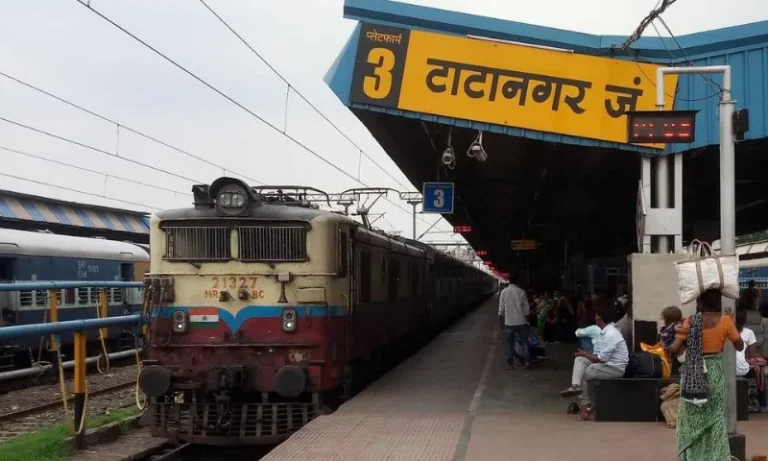
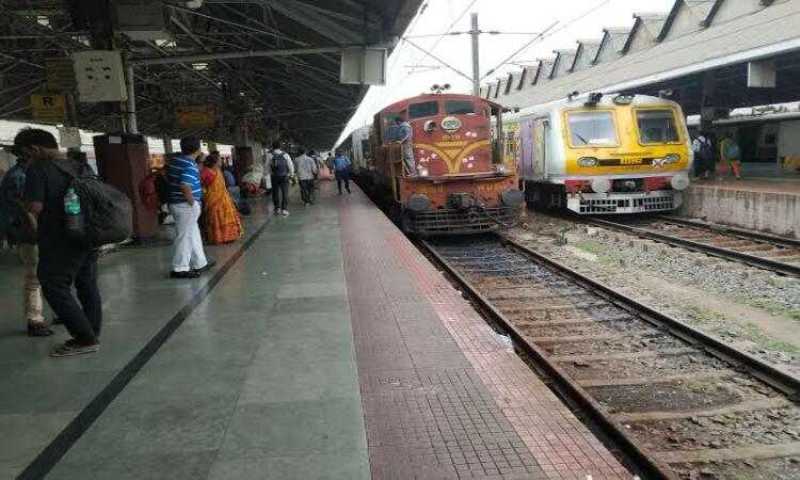
The National People’s Party (NPP) in Meghalaya has strongly condemned the detention of a Catholic nun, two staff from Catholic Charities Jamshedpur, and 19 minors at Tatanagar railway station in Jharkhand on Sunday, following unsubstantiated allegations of human trafficking and forced conversion. According to NPP leaders, the Railway Protection Force and Government Railway Police held the group without evidence, detaining them until 3 AM. The minors, as clarified by Father Birendra Tete, were traveling for a two-day workshop on adolescent health and skill development. NPP labeled the incident as intimidation against religious minorities and a violation of fundamental rights, urging authorities to uphold constitutional guarantees of religious freedom and warning that such actions threaten the secular fabric of India’s Constitution.

37 illegal Bangladeshis are pushed back by Assam: Chief Minister Himanta Biswa Sharma.

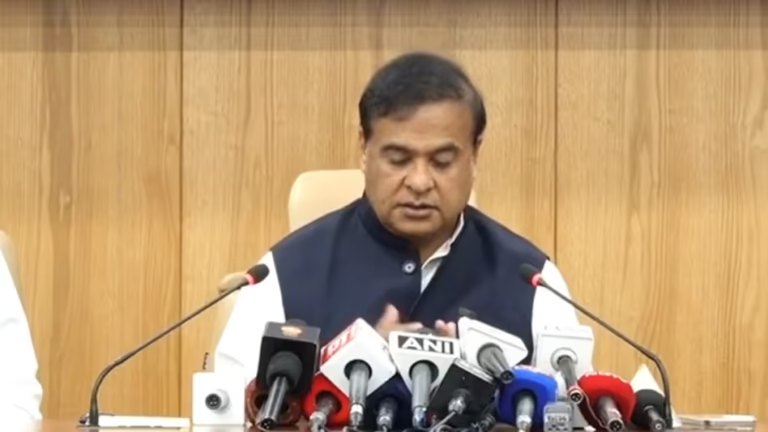
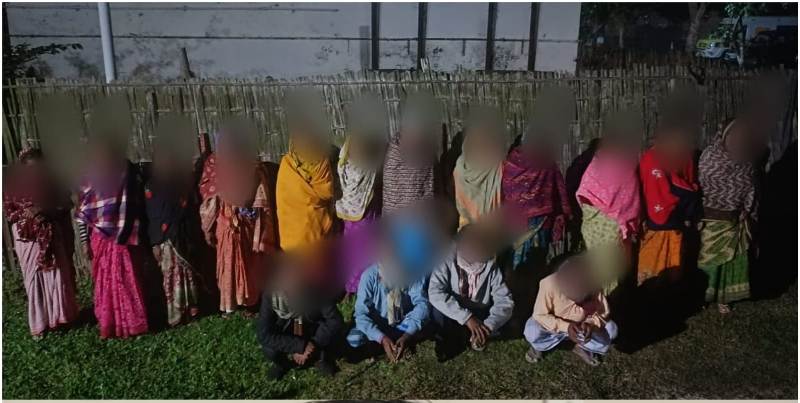
Assam Chief Minister Himanta Biswa Sarma on Tuesday announced that 37 illegal Bangladeshi nationals were “pushed back” by authorities from the Sribhumi sector. Declaring that all infiltrators will face similar action, he posted on X: “Good bye infiltrators; your time’s up in Assam! 37 uninvited guests have been PUSHED BACK to their own homeland in Bangladesh.” He added that the ongoing operation is part of the government’s efforts to make Assam free of infiltration, stressing that each week 35–40 people are being “pushed back” under a mechanism that avoids the lengthy deportation process.

As the last journey commences, Assam says a heartfelt goodbye to Zubeen Garg.

The final journey of popular singer Zubeen Garg took place on September 23, 2025, as thousands of grieving fans, family members, and dignitaries joined his funeral procession from the Arjun Bhogeswar Baruah Sports Complex in Guwahati to the cremation site at Kamarkuchi, Sonapur. His mortal remains, draped with Assamese gamosas and carried in a flower-adorned ambulance, were cremated with full state honours. Earlier in the day, a second post-mortem was conducted at Gauhati Medical College and Hospital by a team of specialists under strict supervision, with the entire procedure recorded on video. Assam Chief Minister Himanta Biswa Sarma, Union ministers Kiren Rijiju, Sarbananda Sonowal, and Pabitra Margherita, along with Speaker Biswajit Daimary, paid their respects. All educational institutions in Assam were closed for the day in homage to the beloved singer.

Assam CM confirms Zubeen Garg’s new post-mortem at GMCH tomorrow.

Assam Chief Minister Himanta Biswa Sarma announced that the post-mortem of legendary singer Zubeen Garg will be conducted at Gauhati Medical College and Hospital at 7:30 AM on Tuesday, followed by the cremation ceremony for fans and well-wishers to pay their respects. To ensure smooth arrangements, vehicular movement will remain suspended until 4 PM on Tuesday, with citizens allowed to stand along main roads to offer tributes. Union Minister Kiren Rijiju, representing Prime Minister Narendra Modi, along with several dignitaries and cultural representatives, will attend the ceremony. The Chief Minister warned against spreading unverified claims or causing disruptions, assuring strict action against offenders, while emphasizing a respectful and peaceful farewell to Assam’s beloved music icon.

Truth-Keepers in a Digital Democracy.

“In the age of digital revolution, India faces a complex transformation in information dissemination, with social media and digital platforms overtaking traditional newspapers amid high production costs and declining readership. Anchored in the constitutional right to information under Article 19, the government has introduced landmark policies like the 2023 Digital Advertisement Policy and the IT Rules 2021 to integrate digital media while ensuring accountability and transparency. However, the rise of AI-generated misinformation and fake news presents a grave challenge to democratic trust and information integrity. Global frameworks from Germany, the EU, and Singapore offer varied models of regulation, highlighting the need for India to carefully balance freedom of expression with curbing falsehoods. States such as Karnataka and Kerala have pioneered digital advertising guidelines and self-regulatory grievance mechanisms as valuable models. The path forward requires establishing an independent Digital Media Regulatory Authority, tiered platform responsibilities, expanded fact-checking in regional languages, enhanced digital literacy, AI-supported content moderation, and robust financial support for credible digital outlets. Crucially, these mechanisms must embed due process and safeguards against political misuse to preserve democratic freedoms while combating misinformation effectively. India’s proactive response will be vital to safeguard the right to accurate information and uphold democracy in the digital era.”