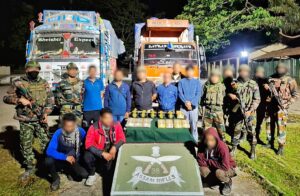
Large gun caches are found by security forces in the hill parts of Manipur.

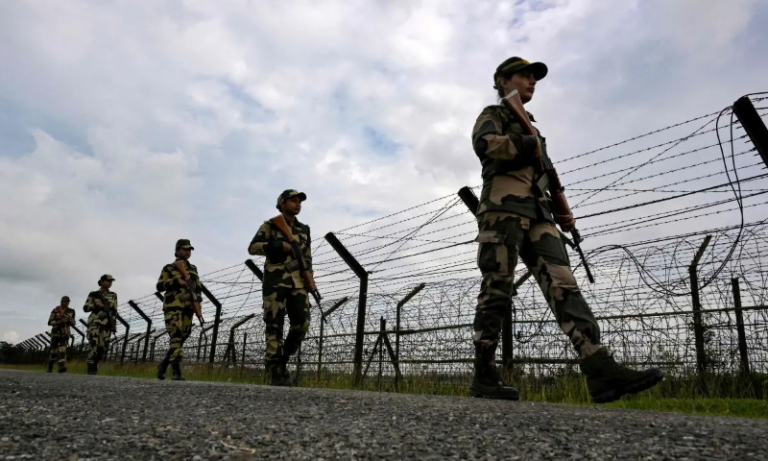
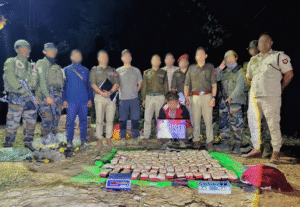
Security forces in Manipur have recovered a large cache of arms in multiple operations across several hill districts, including Churachandpur, Tengnoupal, Chandel, and Kangpokpi. The recovered items include 11 pistols, 37 single-barreled rifles, two .303 rifles, one each of M-16, MA-1, MK-II INSAS, Carbine, and double-barreled rifles, along with three lathode bombs, 28 pompis (locally made mortars), and 57 rounds of various ammunition. Additionally, 23 radio sets were seized. Operations in Kangpokpi also led to the recovery of bolt-action rifles, 9mm pistols with magazines, 12-bore cartridges, wireless handheld sets, and bulletproof plates. These coordinated security efforts aim to restore peace, maintain public order, and ensure the safety of lives and property in the region affected by ethnic violence.

Zubeen Garg, a legendary Assamese singer, dies in an accident in Singapore.

Celebrated Assamese singer and cultural icon Zubeen Garg has passed away following a tragic scuba diving accident in Singapore. Rescued from the sea by Singapore police and rushed to intensive medical care, doctors were unable to save him. Zubeen was in Singapore to perform at the North East Festival, and his sudden demise has deeply shocked fans and the Assamese community, prompting widespread tributes and condolences.

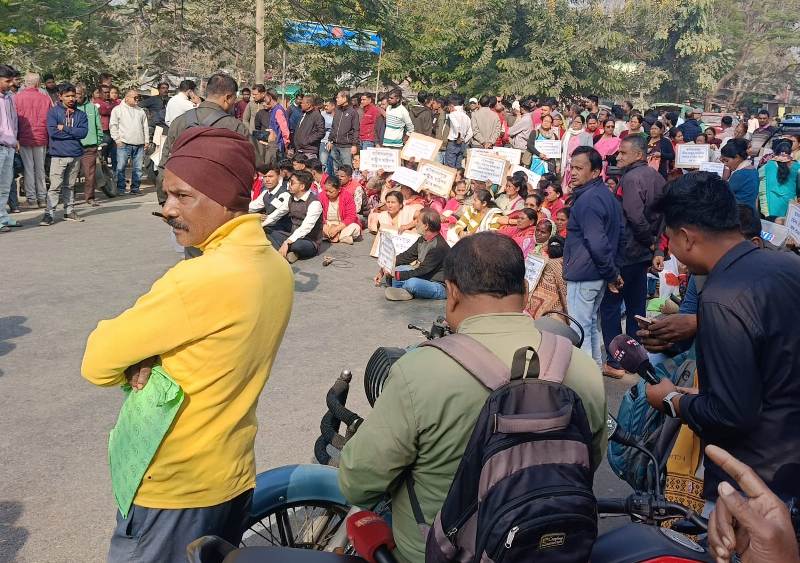
Assam: Morans warn that if the demands for autonomy and ST are not met, there will be more agitation.

The All Moran Students’ Union (AMSU) has reiterated its demand for Scheduled Tribe (ST) status and Sixth Schedule autonomy for the Moran community, accusing the central and state governments of neglect despite repeated assurances. The ongoing economic blockade in Tinsukia, led by AMSU, is a democratic protest against government indifference, affecting the movement of essential goods. AMSU criticized political leaders, including Prime Minister Narendra Modi and Assam Chief Minister Himanta Biswa Sarma, for failing to fulfill promises made a decade ago. The union warned that the agitation would continue and could intensify if their demands are not met, appealing for support from social activists and indigenous organizations.

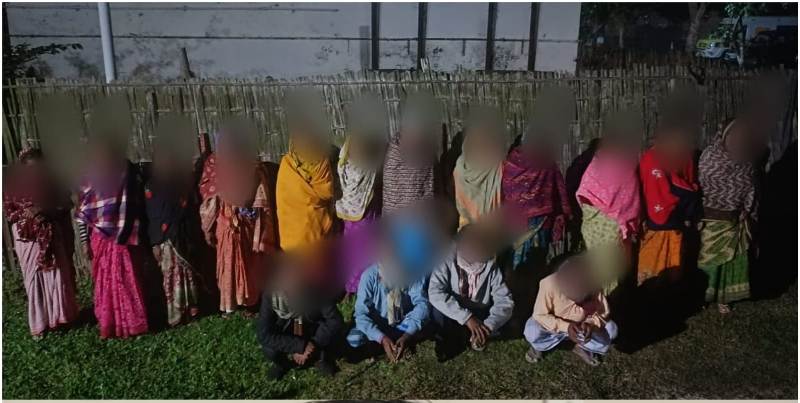
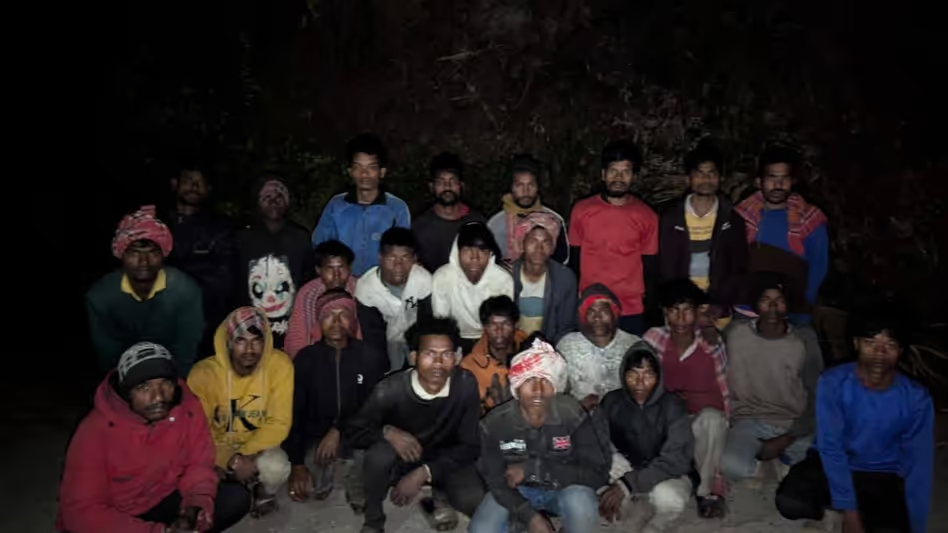
Five citizens of Bangladesh are being held in Tripura and will be returned.

Five Bangladeshi nationals detained in Tripura’s Gomati district earlier this week will be repatriated, according to senior police officials. The labourers, who admitted to entering Indian territory a few days ago and were working in Maharani under RK Pur police station, were stopped during a police check. Following state and central instructions, they were moved to a government-run home in West Tripura, and the BSF will now coordinate with Bangladeshi authorities for their return. Tripura continues to face challenges with cross-border infiltration, and recent protocols have shifted from arrest to housing and facilitating repatriation of such individuals.

The “School Excellence Conclave 2025” will take place at Assam Down Town University.

Assam down town University (AdtU) will host the School Excellence Conclave 2025 on September 20 at its campus in collaboration with QS I-GAUGE and the Association of Indian Principals (AIP). Centered on the theme “Catalysing Change in School Education through Quality,” the conclave will bring together leading school heads, policymakers, and education experts from across India to deliberate on strategies for advancing education through innovation and global standards.

According to the Assam chief minister, D-Voter cases are almost settled. “Anyone who came before 1971 is 100% Indian.”

Assam Chief Minister Himanta Biswa Sarma announced that the issue of ‘Doubtful’ (D) voters among Bengali Hindus would be resolved soon, projecting near resolution by next year. He noted a significant decline in their numbers from around 200,000 five years ago to about 25,000 currently, mainly due to successful challenges in tribunals proving citizenship through 1971 refugee camp certificates. He reaffirmed the legal position that anyone who entered India before 1971 is 100% Indian, a crucial factor in reducing D-voter classifications. Sarma emphasized that this signified a turning point, showing that justice is being served through the legal system.

The “D voter” classification was introduced in Assam in 1997 to flag those whose citizenship was doubtful during electoral roll preparations. These individuals, mainly from Bengali Hindu and Muslim communities, were barred from voting until their citizenship was verified by Foreigners Tribunals. Over the years, legal processes and court rulings progressively clarified citizenship issues, reducing uncertainty and the number of D-voters statewide.

Political leaders like Panchayat Minister Ranjit Dass have assured Hindu D-voters, including those from Koch Rajbongshi and Bengali communities, that their citizenship rights are protected under the Citizenship Amendment Act (CAA), which ensures citizenship for those entering India before December 31, 2014. Officials have emphasized continuing government support against opposition resistance and underlined that Hindu D-voters have nothing to fear regarding citizenship.

These excerpts collectively illustrate the recent progress, legal clarifications, political assurances, and ongoing challenges shaping the situation of Bengali Hindu D-voters in Assam

Bangladeshi Hilsa travels to Tripura: enthusiasm for Durga Puja is sparked by a 2,000 kilogramme shipment.

“Bangladesh Commerce Ministry has approved the export of 1,200 tonnes of Hilsha fish to India ahead of the Durga Puja festival, allowing 37 companies to participate in the export from September 16 to October 5, 2025. The minimum export price has been fixed at USD 12.5 (around Rs 1,100–1,125) per kilogram. This quantity is nearly half of last year’s permitted quota. The move is seen as a mark of enduring friendship between Bangladesh and India. The first consignments have reached states like Tripura and West Bengal, with local prices in India ranging from Rs 1,800 to Rs 2,000 per kilogram due to lesser production and currency fluctuations. Bangladesh has traditionally banned Hilsa exports since 2012 but allows special permissions during the festival season to meet high demand in India, especially in Bengali-populated areas. The export process includes strict regulatory conditions to ensure legal compliance and quality control.”

Arunachal Pradesh’s army chief calls for speedier land acquisition and youth enlistment.

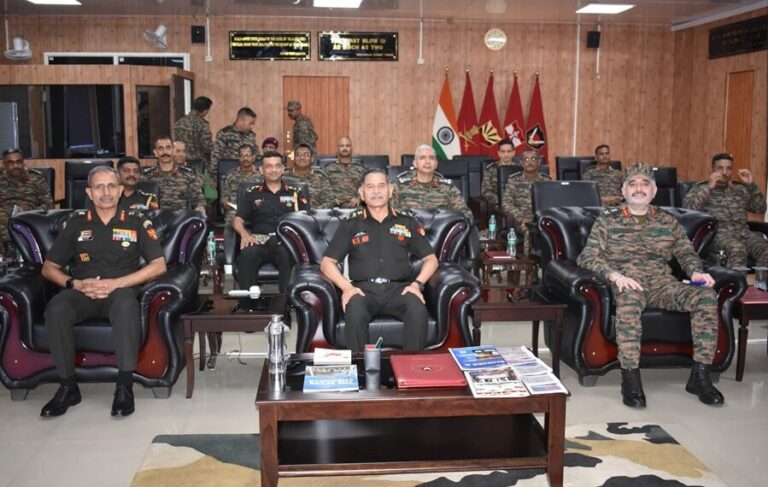
The previous summary focuses on Chief of Army Staff (COAS) General Upendra Dwivedi’s visit and priorities regarding land acquisition, defence infrastructure, youth recruitment, and community engagement in Arunachal Pradesh. Excluding these points, other related but distinct aspects include:

The Vibrant Village Programme as a government initiative aimed at holistic development of border and remote villages through infrastructure, livelihood, and social welfare improvements. It promotes coordinated efforts between government, communities, and security forces to uplift these areas.

The Governor’s commendation of the Army’s humanitarian role, such as providing consistent support to the people of Arunachal Pradesh beyond defense duties. This includes social projects aimed at discipline and self-reliance among youth, like Sadbhavana projects.

Pre-recruitment training initiatives facilitated by the Army that help prepare local youth for admission into Sainik Schools and eventual military careers, emphasizing capacity building and skill development.

The importance of close civil-military cooperation in national security and regional development by integrating military readiness with community welfare.

These aspects showcase the broader socio-economic and human development activities linked with the Army’s presence and government programs in Arunachal Pradesh besides the immediate strategic infrastructure and recruitment concerns addressed by General Dwivedi.

Deposed Prime Minister Sheikh Hasina is prohibited from voting by the Bangladesh Election Commission.

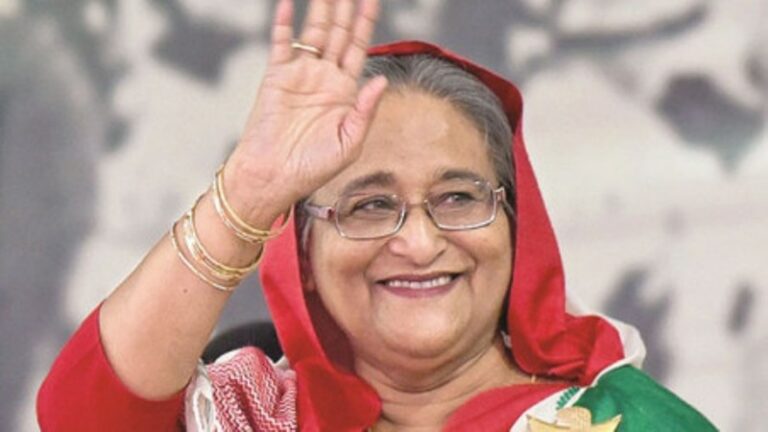
Bangladesh’s Election Commission announced that the national identity card of deposed Prime Minister Sheikh Hasina has been “locked,” effectively barring her from participating in the February 2026 general elections. Several members of her family, including her sister Sheikh Rehana, her children, and close relatives, have also had their NIDs restricted. Hasina, who fled to India following a student-led uprising that toppled her Awami League government in August 2024, is currently being tried in absentia on charges of atrocities during the unrest, with prosecutors seeking the death penalty.

Who received what in Meghalaya’s major cabinet reshuffle? Power, education, and health.

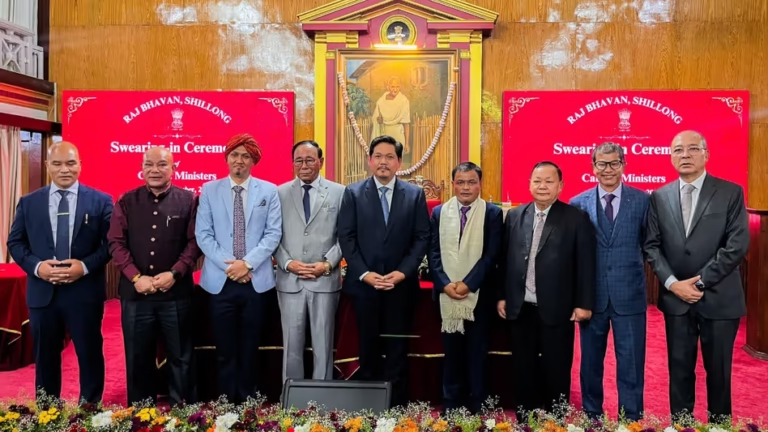
“Meghalaya Chief Minister Conrad K. Sangma has allocated portfolios to ministers in his Meghalaya Democratic Alliance (MDA-II) government following a major reshuffle, with eight MLAs, including seven newcomers, inducted into the cabinet. Key assignments include Deputy Chief Ministers Prestone Tynsong overseeing Home and Public Works, and Sniawbhalang Dhar handling Urban Affairs and Commerce. Senior leaders like UDP chief Metbah Lyngdoh and Lahkmen Rymbui were given important departments such as Power, Education, and Disaster Management. This marks one of the most significant reorganisations of the MDA-II cabinet since its formation.”