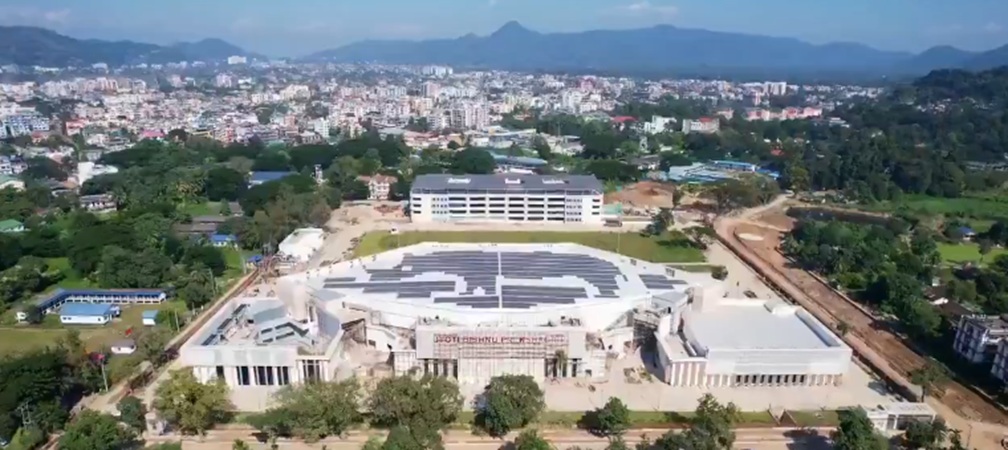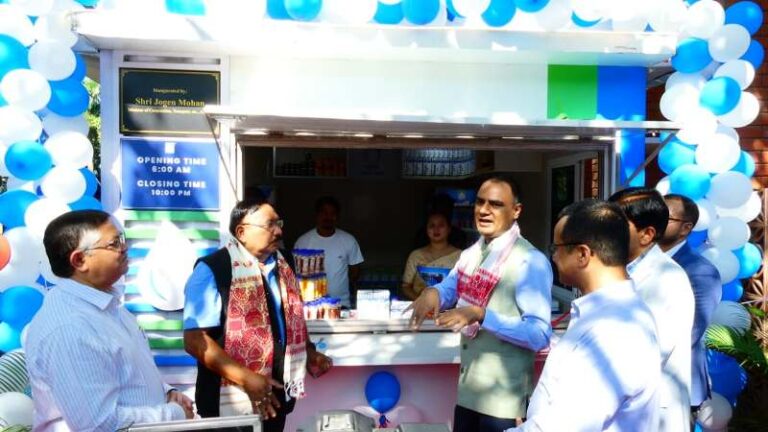
Purabi, in collaboration with the GMDA, launches a new milk stand at Nehru Park in Guwahati.

Reinforcing its rapid retail expansion, Northeast India’s largest dairy cooperative brand “Purabi” inaugurated a new milk booth near Nehru Park, Guwahati, as part of its collaboration with the Guwahati Metropolitan Development Authority (GMDA). The initiative aims to make high-quality dairy products more accessible to park-goers, morning walkers, students, and residents. The booth was inaugurated by Jogen Mohan, Minister of Cooperation, alongside senior officials from GMDA and Purabi.

Under the collaboration, GMDA has provided three locations for setting up Purabi prefabricated milk booths, with two more booths planned soon near Shradhanjali Kanan on RG Baruah Road and Atal Udyan, Adabari. Minister Jogen Mohan praised Purabi’s efforts to empower farmers and provide safe, nutritious dairy products across Assam, aligning with Assam Chief Minister Dr. Himanta Biswa Sarma’s Assam Dairy Development Plan targeting 10 lakh liters of milk per day in the cooperative sector.

Purabi products are manufactured by West Assam Milk Producers’ Cooperative Union Ltd (WAMUL) and marketed by North East Dairy and Foods Limited (NEDFL), a joint venture between the Assam government and National Dairy Development Board (NDDB). The prefabricated booths, funded by the World Bank’s APART Project, are equipped with modern cold-chain facilities to ensure product freshness and safety. This expansion enhances consumer convenience and supports Assam’s dairy ecosystem while creating new livelihood opportunities through Purabi’s franchise-based kiosk model. The Nehru Park booth joins Purabi’s network of kiosks across high-traffic locations in Guwahati, including the GMCH campus, ISBT Khanapara, Janata Bhawan, and the Assam State Zoo area.​

Related

“Assam is not a dumping ground”: Sivasagar groups demonstrate against “outside voters,” burning the chief minister’s effigies

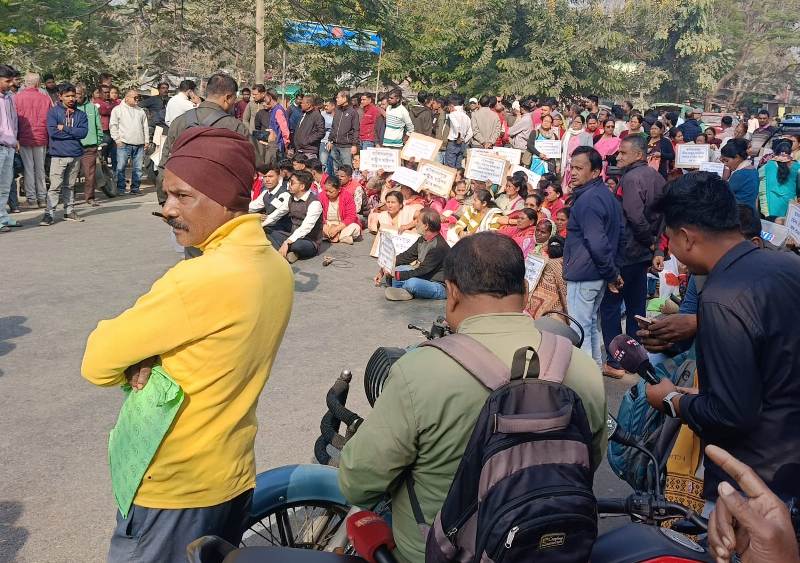
The protests in Sivsagar took place on November 20, driven by the Krishak Mukti Sangram Samiti (KMSS) and the Satra Mukti Sangram Samiti (SMSS), opposing the Election Commission’s decision to permit out-of-state workers to register as voters in Assam. Demonstrators gathered at Doulmukh Chariali, burning effigies of Chief Minister Himanta Biswa Sarma and chanting slogans like “Don’t make Assam a dumping ground,” accusing the government of trying to influence the 2026 Assembly elections through the inclusion of outsiders.​

They alleged that the policy is aimed at bringing in “illegitimate voters” just ahead of the polls, and expressed fears that this move could undermine local electoral integrity. The protests also criticized the Chief Minister for failing to deliver justice in the Zubeen Garg death case and for not securing Sixth Schedule status for tribal groups — instead accusing him of focusing on bringing outsider voters to favor certain political outcomes.​

The agitation followed remarks from the Chief Electoral Officer, Abhishek Goel, who announced that migrant workers residing in Assam would be eligible to register as voters for the 2026 elections, which the protesters believed could skew the electoral process.​

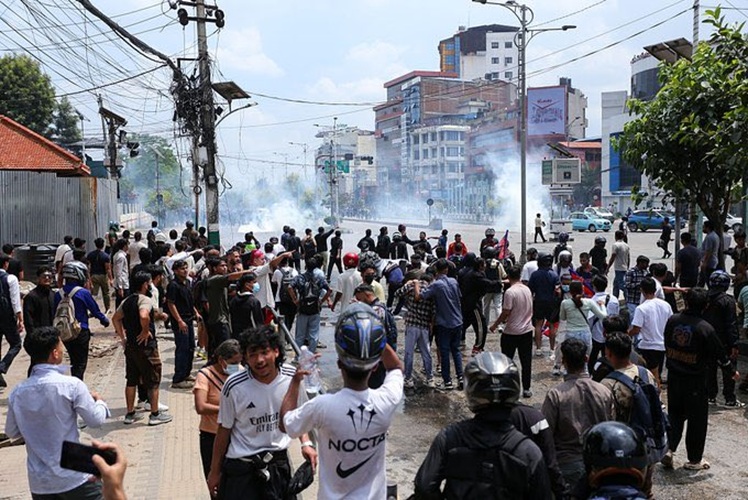
In Nepal’s Bara district, a curfew was reinstated following confrontations that left at least ten people injured.

Fresh unrest erupted in Nepal’s Bara district as Gen Z demonstrators clashed again with supporters of the Communist Party of Nepal (Unified Marxist–Leninist), led by former prime minister K.P. Sharma Oli. Authorities reimposed a daytime curfew from 1 pm to 8 pm after the clashes, but protesters continued to defy restrictions, leading to violent confrontations with police who used tear gas and warning shots. At least 10 people, including six police personnel and four protesters, were injured. Protesters also set fire to a local police post and vandalized the CPN-UML office in Simara Bazaar, accusing authorities of shielding party cadres involved in earlier violence. The tensions reignited after news that CPN-UML leaders planned to address a rally in Simara, sparking protests and clashes that have persisted since a larger movement in September toppled the Oli-led government. The ongoing protests demand accountability for the September 9 killings during demonstrations and oppose political corruption and injustices linked to the dissolved House of Representatives. The fragile political transition in Nepal continues as youth activists push for fresh elections and reform amid heightened unrest.​

In the Rs 1-crore Teesta-III steel robbery in Sikkim, two additional people were detained.

Authorities have arrested one person following the theft of high-grade steel plates and iron rods valued at approximately Rs 1 crore, meant for the 1200 MW Teesta-III Hydel Project in Chungthang, North Sikkim. The stolen materials, including 25 IS 2002 Grade-2 steel plates, were part of a consignment transported by Shree Balaji Logistics under a contract with Larsen & Toubro. The theft was discovered during a routine stock audit by the logistics firm, triggering an internal investigation that pointed to deliberate diversion and illicit sale by transport operator Binod Kumar Bansal and associates. The case involves investigations of accomplices and interstate movements of stolen materials, with police examining documents, GPS logs, and staff statements to identify additional suspects. The stolen steel is critical for dam, tunnels, and powerhouse construction at the project site, and recovery efforts are underway.

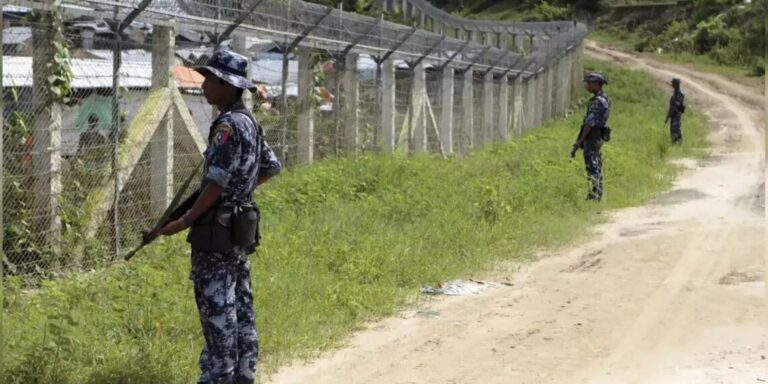
Cross-border smuggling has significantly decreased in Mizoram following an increase in security.

“Smuggling of drugs and Burmese areca nuts across the India–Myanmar border has seen a marked decline following strengthened security deployment along the frontier, Chief Minister Lalduhoma was informed during a review meeting. Currently, 12 police stations and 10 Assam Rifles duty posts operate along the 510-km Mizoram-Myanmar border, contributing to tighter surveillance. Drug trafficking and illegal areca nut smuggling have decreased in recent months due to enhanced security and coordinated enforcement efforts. Preparations are underway for construction of border haats, beginning with a facility at Zote in Champhai district as directed by the Ministry of Home Affairs. Since October, over 21,000 people have received border passes under the Free Movement Regime for regulated cross-border travel. Officials also mentioned that the next round of talks between Mizoram and Assam to resolve the interstate border dispute is being scheduled.”

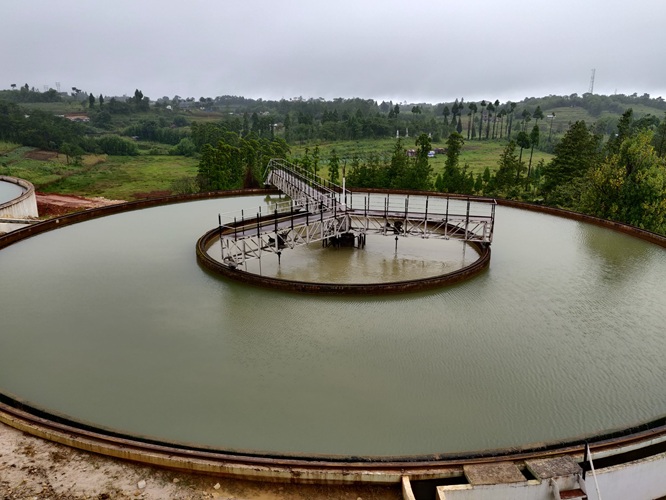
With a successful pump trial, the long-stalled Shillong water system gained impetus.

Public Health Engineering Minister Marcuise Marak inspected the testing of pumping systems at the Mawphlang dam, marking a major step towards commissioning the long-delayed Greater Shillong Water Supply Scheme Phase-III (GSWSS-III), a project pending for nearly 17 years since its sanctioning in 2008. With the Mawphlang pumps now operational on trial, the state expects to release an additional 8 million litres per day to Shillong once full commissioning begins. The scheme, originally sanctioned at Rs. 193 crore and revised multiple times, faced setbacks due to land acquisition, forest clearances, COVID-19 disruptions, and rising costs. GSWSS-III aims to partially bridge Shillong’s water supply shortfall of about 14 million litres per day. The government is committed to ensuring that “the long-pending promise of improved water supply for Shillong becomes a reality at the earliest.” मावफलांग डैम में पंपिंग सिस्टम का परीक्षण​

In a phony purchase order scam, the ED raids several locations in Delhi and Assam.

“The Enforcement Directorate (ED) conducted search operations at six locations in Guwahati, Kokrajhar, Tezpur, and New Delhi as part of a money-laundering probe into an alleged scam involving fake purchase orders issued in the name of autonomous councils in Assam. The investigation targets Rishiraj Kaundinya, Biju Das, Mukesh Jain, and others accused of fabricating government documents, including fake supply orders purportedly from the Dima Hasao Autonomous Council and the Mising Autonomous Council. ED officials seized Rs. 14.5 lakh in cash, froze bank accounts holding Rs. 13.68 lakh, and recovered two high-end vehicles and a land sale agreement worth Rs. 65 lakh linked to crime proceeds. The accused allegedly ran a well-organised criminal conspiracy by inducing suppliers with fraudulent orders for goods like blankets, tarpaulins, dyed cotton yarn, and solar equipment while collecting illegal commissions and diverting goods without paying suppliers. The ED estimates unpaid dues to suppliers at Rs. 9.86 crore and illegal commissions at Rs. 2.04 crore, and the probe is ongoing to trace additional proceeds and facilitate victim restitution.”​

CM Vigilance steps up investigation after two people are detained in an Assam tourism department recruitment fraud.

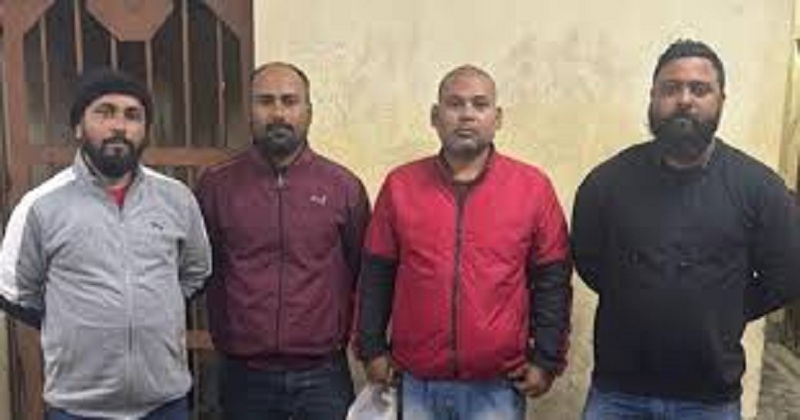
In a major development in the decade-old Tourism Department recruitment scam, the Chief Minister’s Special Vigilance Cell arrested Ananya Borthakur and Pranjal Bora, accused of fraudulently securing government jobs through illegal means. The irregularities date back to 2010–2012 during the tenure of former Tourism Minister Rokibul Hussain. Several appointments reportedly bypassed eligibility norms and mandatory qualifications. Borthakur, posted in Delhi, and Bora, serving in Nagaon, are among eight accused who allegedly manipulated the recruitment process. Other candidates under scrutiny include Hiran Kumar Saikia, Saymeen Mannan, Mehjubin Begum, Gautam Gogoi, Madhab Das, and Nayanmoni Pamegam. The ongoing investigation highlights serious concerns about the integrity of the recruitment system during that period.​

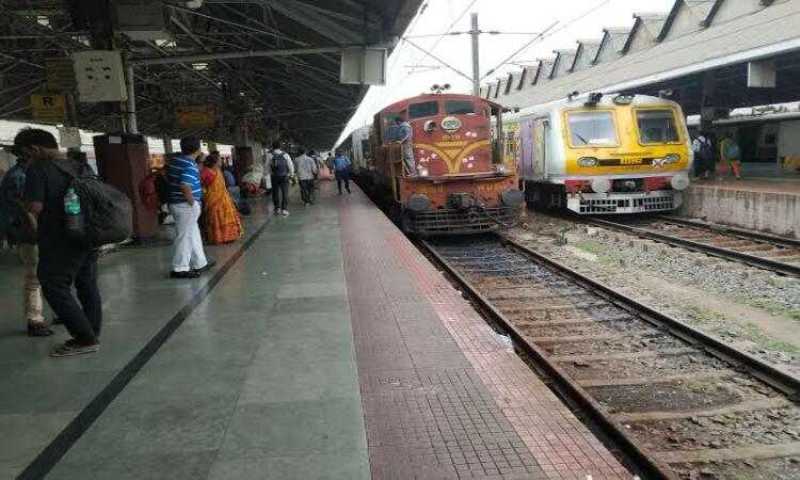
Silchar Hosts Crucial Meeting on Elevated Road Construction Proposal

A high-level meeting was held at Banga Bhawan, Silchar to deliberate on the proposed elevated road from Trunk Road near Capital Point to Rangirkahri Point. Senior government representatives, MPs, MLAs and district officials reviewed alignment issues, departmental coordination, and infrastructural requirements, marking a significant step toward strengthening Silchar’s urban mobility framework.

A deal between OIL and TotalEnergies will advance deep water exploration in India.

Oil India Limited (OIL) and Total Energies on Wednesday signed a Technology Service Agreement in New Delhi to collaborate on deep water and ultra-deep water exploration across India’s offshore basins, a move aimed at strengthening the country’s push into frontier energy fields.

The agreement was signed in the presence of Petroleum and Natural Gas Secretary Pankaj Jain, Additional Secretary Praveen Mal Khanooja and OIL Chairman and Managing Director Dr. Ranjit Rath, underscoring strong government backing for the partnership.

Dr. Sangkaran Ratnam, CMD of TotalEnergies Gas & Power Projects India Pvt. Ltd., and Saloma Yomdo, OIL’s Director (Exploration & Development), formalised the agreement on behalf of their organisations.

Under the collaboration, TotalEnergies will provide technical expertise for key offshore projects, including the appraisal of a gas discovery in shallow offshore blocks of the Andaman Basin, exploration in OIL’s ultra-deepwater blocks under OALP-IX in the Mahanadi and Krishna–Godavari basins, and assessment of new opportunities in the upcoming OALP-X and future bid rounds.

The partnership will also extend to technical support for drilling mandated stratigraphic wells in Category-II and Category-III offshore basins.

OIL said the agreement marks a major boost to its plans to expand exploration in challenging offshore frontiers, adding that TotalEnergies’ global deepwater experience is expected to improve efficiency and enhance the chances of new hydrocarbon finds.

Officials noted that the collaboration aligns with India’s broader effort to tap untapped offshore resources, strengthen energy security and support a more sustainable long-term energy strategy.