With very minor changes, the new Tripura power rate goes into effect.

“The Tripura Electricity Regulatory Commission (TERC) has released the power tariff for the financial year 2025–26, effective from November 1, with no significant increase in electricity bills for consumers. The average cost of supply is set at Rs. 7.61 per kW, marginally higher than the previous year’s Rs. 7.56. Fixed charges for domestic single-phase consumers have been standardized to Rs. 16 per kW per month, replacing the earlier range of Rs. 25 to Rs. 75, while commercial users will pay Rs. 18 per kW per month. To encourage industrial and social sectors, a 10% rebate on energy charges is available for IT units, women’s Self Help Groups, hospitals, homestays, and mobile towers in remote areas. The Kutir Jyoti scheme parameters have been revised, increasing the maximum connected load to 0.5 kW and monthly consumption limit to 30 units, providing better support for low-income households. Additionally, the commission has directed the rollout of smart meters to improve billing accuracy and expects a green (solar) tariff proposal in the next filing.”​

Guwahati to conduct workshop on ‘A–Z of building a successful school’ on Nov 23 in Assam.

“Guwahati is set to host a specialised workshop titled ‘A–Z of Opening a Successful School’ at Hotel Vivanta on November 23, offering aspiring school founders, trusts, and education investors practical guidance on setting up new schools in Assam and the Northeast region. The session will be led by Amol Arora, Managing Director of the SHEMROCK & SHEMFORD Group of Schools, who has worked with hundreds of school promoters across India. The workshop aims to clarify operational, academic, and administrative processes involved in establishing a school, addressing regulatory and planning challenges faced by first-time promoters. Topics covered include approvals and compliance, infrastructure planning, admissions strategy, budgeting, branding, and academic systems. Participants will also receive a structured 100-point School Launch Checklist to simplify the planning process.”​

Two Bihar traffickers are detained after foreign tobacco valued at Rs 1.9 crore is found in Manipur.

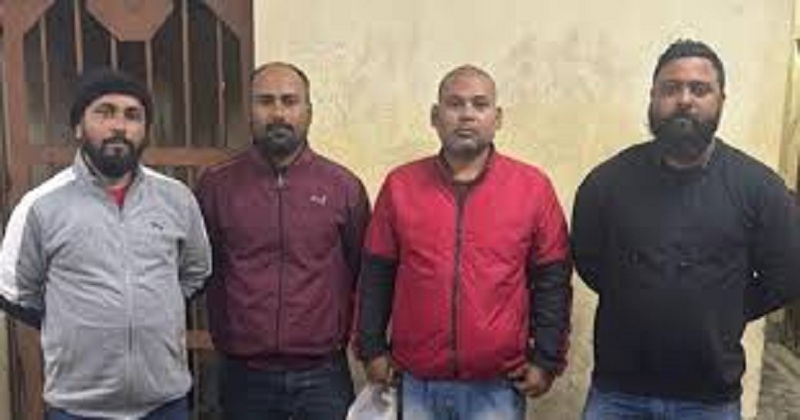
“The Directorate of Revenue Intelligence (DRI) apprehended two non-locals on charges of smuggling foreign tobacco items worth over Rs 1.92 crore in the international market during the past 47 hours. Acting on a tip about smugglers from mainland India contacting counterparts in Manipur, a DRI team, led by a Senior Intelligence Officer, conducted a high-alert operation in Imphal. The team detained two suspects from Bihar and recovered 69 cartons of Esse Lights brand cigarettes of Korean origin and 15 cartons of Gudang Garam cigarettes of Indonesian origin concealed in a Tata truck. The contraband was smuggled into Manipur from Myanmar through Moreh. The accused were arrested under Section 7(1)(c) and Section 11 of the Customs Act, 1962, and handed over to legal authorities for further proceedings.”​

Asaduddin, the head of AIMIM, says he has no agreement with any party in Assam following reports that he would join the AIUDF.

The All India Majlis-e-Ittehadul Muslimeen (AIMIM) has officially denied rumors about forming an alliance or starting operations in Assam ahead of the 2026 assembly elections. On November 18, 2025, AIMIM posted on Twitter that the reports claiming the party would enter Assam or align with any local party are completely false. This statement comes after AIUDF chief Maulana Badruddin Ajmal suggested a possible electoral partnership with AIMIM’s leader Asaduddin Owaisi, noting that the two are in regular contact and that an alliance could be in the works. Ajmal expressed optimism about contesting 35 seats and described Owaisi as a political “brother” with whom they might campaign. Despite these remarks, AIMIM’s swift public rebuttal casts doubt on any formal alliance discussions, signaling no current plans to enter Assam’s electoral fray.​

At the India International Trade Fair, 300 Lakhpati Didis stole the stage.

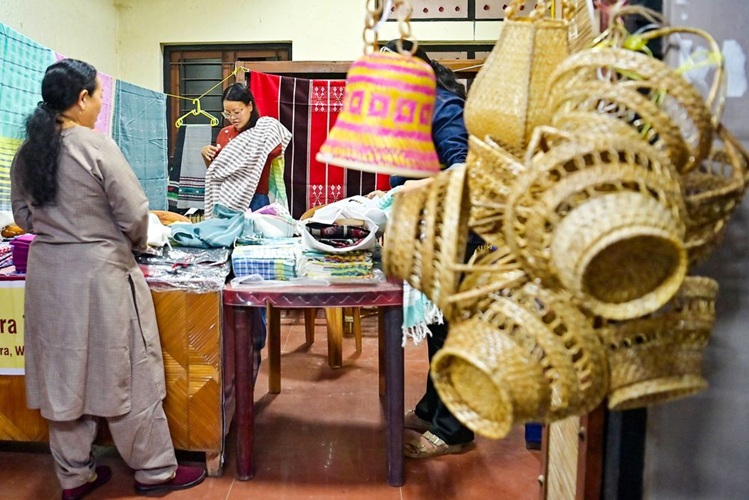
The Saras Pavilion, located in Halls 8, 9, and 10 of Bharat Mandapam, has become a major crowd-puller at the IITF 2025, featuring nearly 300 Lakhpati Didis from across India showcasing their work at around 150 stalls. The pavilion offers an impressive display of handlooms, handicrafts, traditional artworks, and locally made products representing 31 states and Union Territories, creating a vibrant “miniature India.” The participating women credit government schemes for helping them achieve financial independence and market access.

Visitors are drawn not only to the diverse products but also to the inspiring stories of these women entrepreneurs. For example, Alisha from Meghalaya expressed how the initiative opened new opportunities for her, while Nirmala Ben from Gujarat shared her ambition to become a “Crorepati Didi.” Participants like Mispi Salha from Nagaland and Monila from Assam highlighted how the platform has helped them understand market demand and gain national-level recognition. Babita Bhandari emphasized the boost in confidence and dignity this platform provides to women sellers.​

Amnesty International takes a firm stance against the ICT ruling as the US and UK remain silent on Hasina’s death sentence.

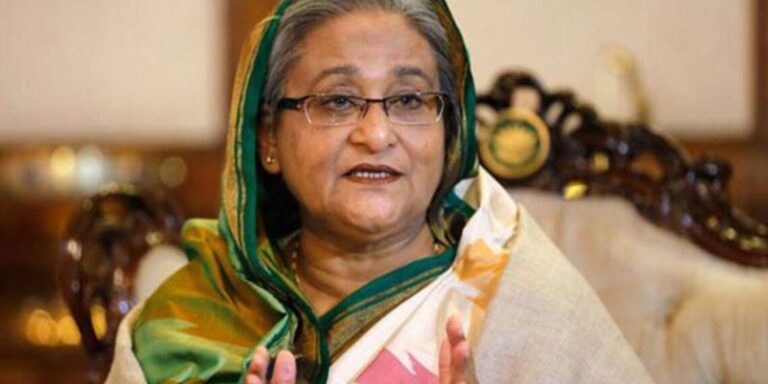
“On 17 November 2025, Bangladesh’s International Crimes Tribunal (ICT) sentenced former Prime Minister Sheikh Hasina to death in absentia for crimes against humanity related to the violent crackdown on a student-led uprising in July–August 2024, which resulted in the deaths of up to 1,400 people and thousands injured. The tribunal found Hasina guilty of ordering and enabling the use of live ammunition, drones, and helicopters on largely unarmed protesters and failing to punish security forces for widespread abuses. Former Home Minister Asaduzzaman Khan Kamal was also sentenced to death, while a former police chief received a prison term after cooperating with prosecutors. Hasina, who has been living in exile in India since August 2024, rejected the verdict as politically motivated.”

“Amnesty International condemned the death sentence as unfair and unjust, emphasizing that the death penalty compounds human rights violations and has no place in any justice process. The US and UK remained silent on the verdict, despite earlier vocal concerns about human rights in Bangladesh. India’s statement acknowledged the verdict but refrained from condemnation, affirming a commitment to peace, democracy, and stability in Bangladesh.”​

In a crackdown on modified silencers, East Siang Police threaten fines of up to Rs 1 lakh.

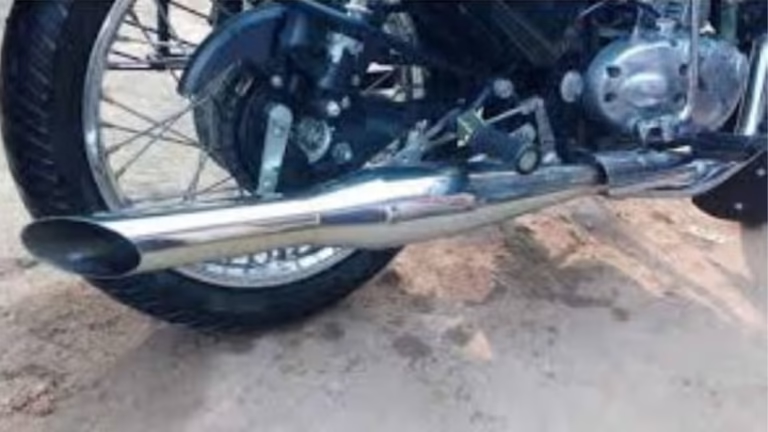
The East Siang District Police, in collaboration with the Bogong Banggo Yameng Kebang (BBYK), conducted a major awareness campaign at Pasighat market to curb the rising use of modified silencer pipes, which cause noise pollution. Officials informed the public about legal consequences under the Motor Vehicles (MV) Act, 2019, including fines between ₹5,000 and ₹10,000 for using vehicles with illegal silencers under Section 190(2), and a ₹5,000 fine under Section 269 for violations affecting public safety and noise norms. Dealers and manufacturers involved in selling or installing these modified silencers face penalties up to ₹1,00,000, potential license cancellation, and imprisonment under Section 82A(3). Community leaders urged youths to comply with prohibitory orders and help maintain peace. The police warned of strict enforcement and continuous drives to ensure compliance and public awareness.

Meghalaya: After an inebriated guard slams a car on campus, two NEHU students are critical.

“Two students of North Eastern Hill University (NEHU) in Shillong, Daritngen Pohdukhei and Stephanie Shadap from the Chemistry Department, were critically injured when a security guard of the university, allegedly driving under the influence of alcohol, lost control of his vehicle and rammed into them near Gate No. 2 of the campus around 7 pm. Before hitting the students, the vehicle also struck a parked scooter. The incident was captured on CCTV, showing the car speeding moments before the collision. The injured students were rushed to Nazareth Hospital and remain in critical condition. The security guard has been detained, the vehicle seized, and a detailed investigation is ongoing.”

Assam CM states that Special Intensive Revision won’t start until the NRC is notified.

“Assam Chief Minister Himanta Biswa Sarma stated that the Special Intensive Revision (SIR) of electoral rolls in Assam cannot be carried out until the National Register of Citizens (NRC) is officially notified, which is expected to happen by mid-next year. The delay is due to persistent discrepancies in the voter lists, including names of deceased persons, minors, and married women with changed surnames or addresses. The Election Commission of India (ECI) has ordered a Special Summary Revision (SR) to address these anomalies first.

Booth Level Officers (BLOs) will visit every household to collect updated information, such as details about deceased voters, changes due to marriage or relocation, and other necessary corrections. Sarma expressed confidence that before the upcoming elections, Assam will have a cleaner and more accurate voter list.

The Chief Minister emphasized that citizenship verification will not be conducted at this stage; it will only happen during the Special Intensive Revision process. The twin processes—the Special Summary Revision followed by the Special Intensive Revision—will together ensure a more accurate electoral roll ahead of the polls.”​