Bangladesh’s anti-terrorism law prohibits Sheikh Hasina’s Awami League.

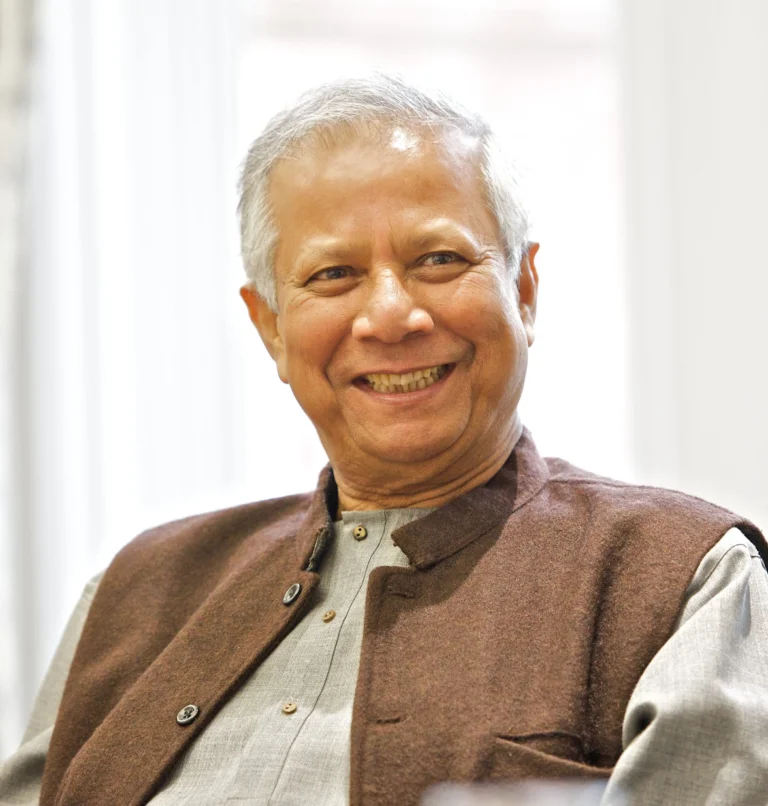
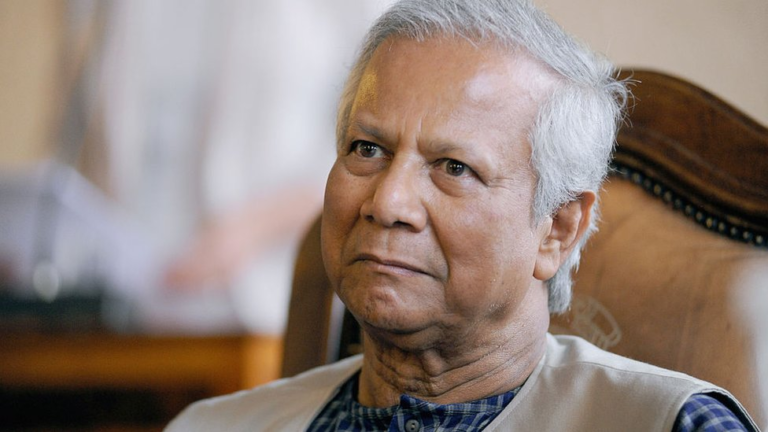
Bangladesh’s interim government, led by Chief Advisor Muhammad Yunus, has banned the Awami League under the anti-terrorism law, citing national security concerns. The move, formalized through a Council of Advisers statement, will be published in the official gazette. The government also amended the International Crimes Tribunal (ICT) law, allowing prosecution of political parties and affiliated organizations. Sheikh Hasina, 77, fled to India after the July 2024 uprising, which escalated into a broader anti-government movement.
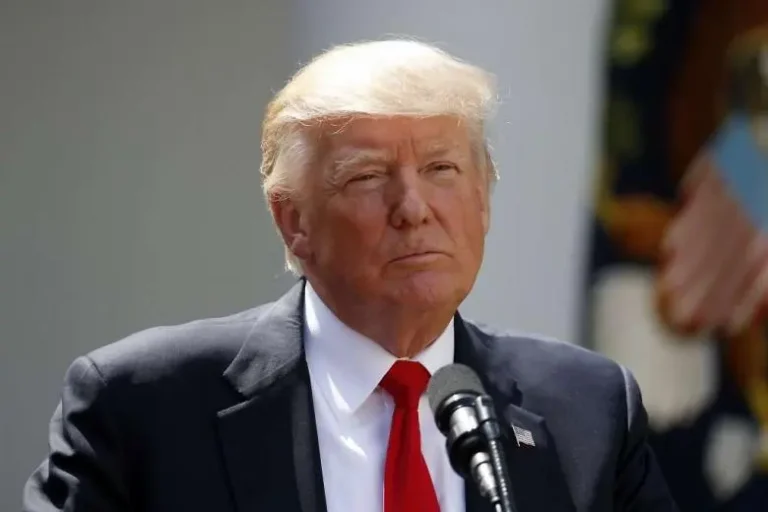
US President Donald Trump said that India and Pakistan have reached a “complete and immediate ceasefire.”

U.S. President Donald Trump announced on TruthSocial that India and Pakistan have agreed to a full and immediate ceasefire after U.S.-mediated discussions. This decision follows reports that India warned any future terror attack on its soil would be considered an “act of war.”
U.S. Secretary of State Marco Rubio confirmed that both countries will begin broader diplomatic talks at a neutral venue. He praised Prime Ministers Narendra Modi and Shehbaz Sharif for their leadership in pursuing peace. However, official confirmation from India and Pakistan is still awaited.

The Supreme Court of Bangladesh has suspended the High Court’s decision regarding bail for Chinmoy Krishna Das.

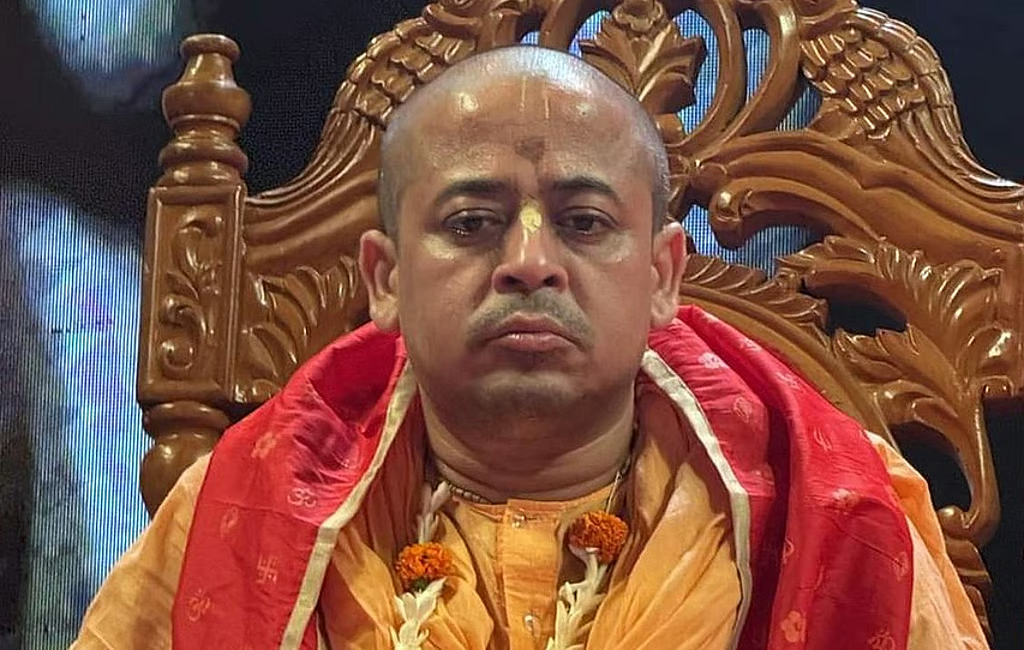
The Bangladesh Supreme Court has stayed the High Court’s bail order for former ISKCON monk Chinmoy Krishna Das, accused of sedition. His arrest on November 25, 2024, sparked global outrage, leading to protests from the Hindu community. The bail was granted nearly six months later but overturned within hours following an appeal by state counsel. Since the removal of Sheikh Hasina’s government in August 2024, attacks on Hindu minorities have intensified, with India strongly condemning their systematic persecution under the Yunus-led interim administration.

The Arakan Army is deemed an ‘unreliable partner’ for Bangladesh due to its connections with the Wa State Army, according to a warning from a Bangladeshi think tank.

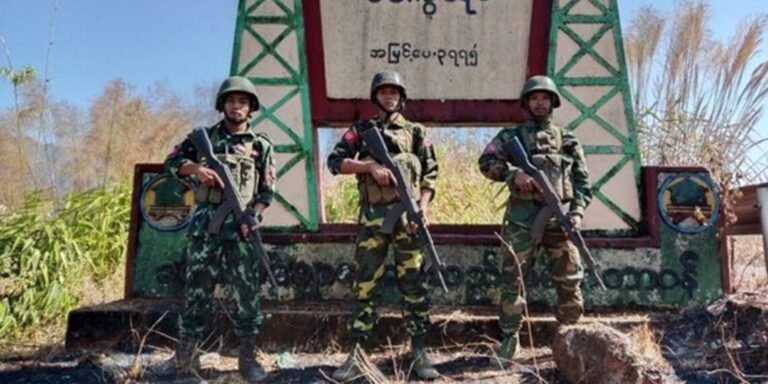
The Bangladeshi Institute of Peace and Security Studies (BIPPS) has warned that the Yunus-led interim authority’s clandestine arrangements with the Arakan Army pose serious security and diplomatic risks. Characterizing the Arakan Army as an “unreliable partner” due to its ties with Chinese-backed militias, the policy brief raises concerns over unauthorized incursions, the legitimacy of the proposed humanitarian corridor, and the lack of parliamentary oversight in Bangladesh’s foreign policy decisions. The report also highlights potential threats of narcotics and arms smuggling, regional instability, and adverse geopolitical responses from major stakeholders such as China, India, and Russia.

While Army senior brass holds a crucial conference in Dhaka, the Bangladesh NSI chief will meet with British security officials in the UK.

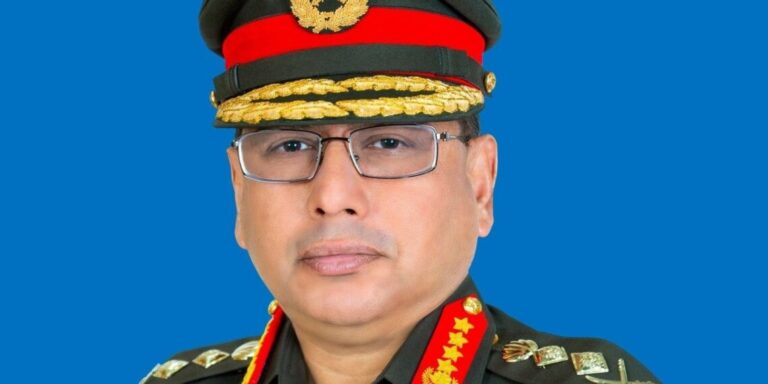
A three-member team of Bangladesh’s National Security Intelligence (NSI) has left for the UK to meet British intelligence officials, as the Bangladesh Army makes strategic preparations to support the Arakan Army against Myanmar’s military junta in Rakhine State. Supplies have reportedly started crossing the Bangladesh-Myanmar border. Meanwhile, high-level meetings in Dhaka, including one chaired by Army Chief General Waker-uz-Zaman, indicate coordinated efforts involving senior commanders, with discussions also touching on a proposed humanitarian corridor for Rohingya refugees.

At state expense, six of Yunus’ press secretaries use iPhone Pro Max devices.

Six Press secretaries in Bangladesh’s interim authority, under Chief Advisor Mohammad Yunus, have drawn public criticism after upgrading to iPhone 16 Pro Max devices at government expense, costing BDT 1,361,994. Allegations of corruption and misuse of power have also surfaced against student coordinators pivotal in the 2024 regime change, including unverified investments in properties and undeclared foreign bank accounts. These issues highlight growing concerns over governance and accountability in the interim administration.

Muhammad Yunus facing criticism for Bangladesh's economic downturn after strained relations with India

Bangladesh Pays Heavy Price for Strained Ties with India: Over 40,000 Jobs Lost, More Than 160 Factories Shut Down

Bangladesh is reeling from a major economic setback after straining its critical ties with India, resulting in the closure of over 160 factories and the loss of more than 40,000 jobs. Muhammad Yunus’s controversial decisions and the suspension of India’s transshipment support have left Bangladesh’s garment industry, which powers 85% of its exports, in crisis. Export costs have skyrocketed, further compounded by Bangladesh’s limited port capacity and restrictions on Indian cotton imports, pushing the country’s global competitiveness into sharp decline.

Talking with PM Modi is an honor, and Elon Musk is looking forward to his trip to India.

Elon Musk expressed his honor in speaking with Prime Minister Narendra Modi, sharing enthusiasm for his upcoming visit to India later this year. Their discussions revolved around opportunities for collaboration in technology and innovation. PM Modi also highlighted ongoing efforts toward reform and governance, emphasizing India’s commitment to US partnerships in these domains. Meanwhile, Tesla’s potential market entry and Starlink’s investment plans signify increasing ties between India and Musk’s ventures, further supported by meetings between Union Minister Piyush Goyal and Starlink’s executives.