Bangladesh: Following the crushing defeat by the Central Students Union at Dhaka University, the BNP.

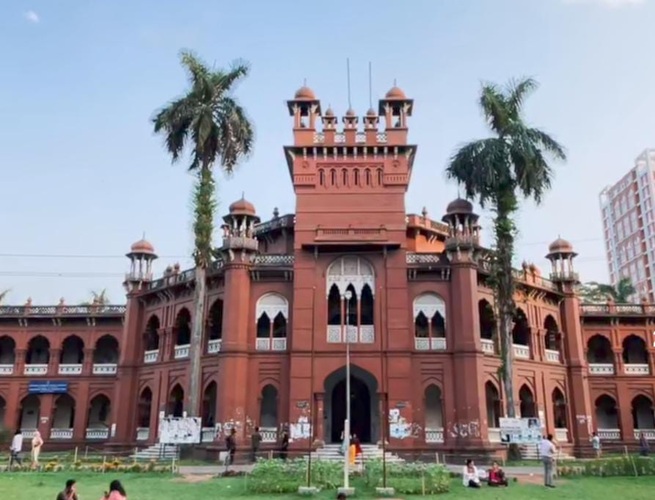
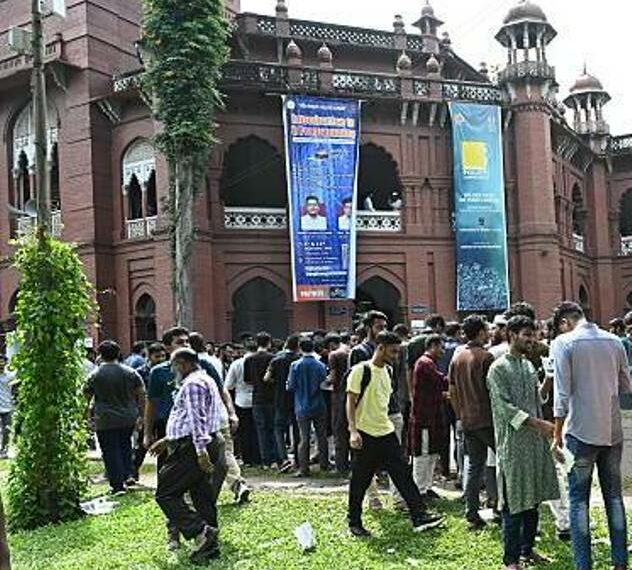
The September 9 DUCSU elections have marked a historic first with the Islami Chhatra Shibir, student wing of Jamaat-e-Islami, securing victory at Dhaka University, long regarded as a secular stronghold of nationalist politics. The defeat of BNP’s student wing, Jatiyotabadi Chhatra Dal, which it blamed on rigging, has deepened the party’s crisis and exposed its dwindling influence since the fall of the Awami League government in 2024. While Jamaat has quietly consolidated support across key institutions, the BNP has been weakened by internal rifts, violence, and misplaced priorities. The outcome signals new challenges for the BNP ahead of the 2026 general elections, where alliances between Jamaat, religious groups, and the National Citizen Party could further sideline it amid growing public nostalgia for the stability once provided by the Awami League.
Amid protests, Nepal relaxes exit and visa requirements for trapped foreign nationals.

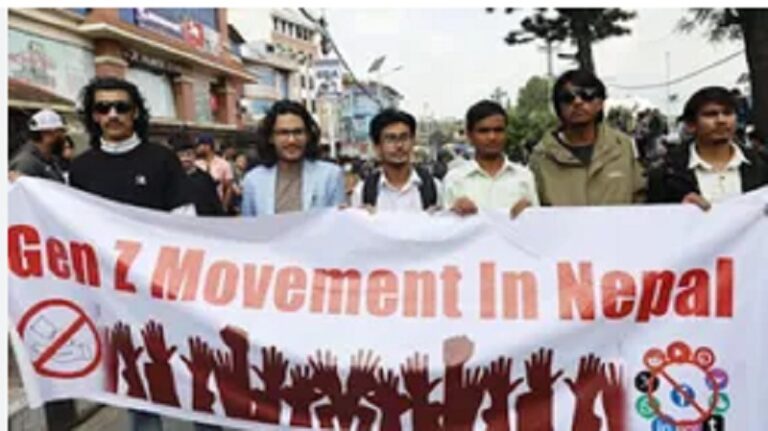
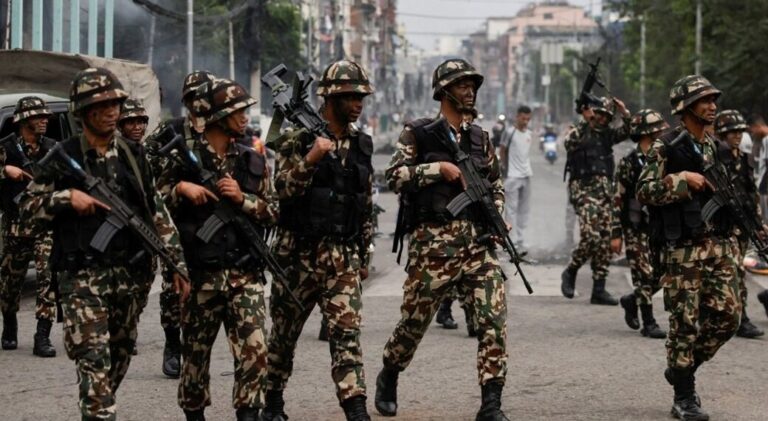
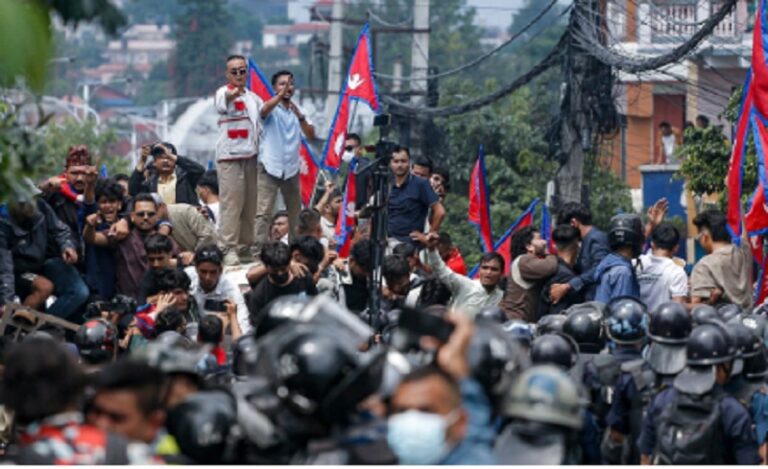
Foreign nationals stranded in Nepal amid the ongoing curfew will be allowed to regularise their visas and obtain exit permits without extra charges, immigration officials said. The facility is available at immigration offices and departure points, with provisions also in place to transfer visas to emergency or replacement travel documents for those who lost their passports. A prohibitory order remains in force in Kathmandu during the day, while a night curfew has been imposed following violent anti-corruption protests that left at least 51 people dead. As Nepal reels from political turmoil after the government’s collapse, President Ram Chandra Paudel and the army are seeking agreement on an interim leader, with youth activists backing former Chief Justice Sushila Karki for the role. Police stations damaged during the unrest are gradually resuming operations in the Kathmandu Valley.

Nepal: Gen Z leaders hold talks with President, Army Chief for interim government formation.

Nepal has plunged into political turmoil after Prime Minister K. P. Sharma Oli’s resignation amid youth-led protests. On Thursday, President Ramchandra Paudel, Army Chief Ashok Raj Sigdel, and Gen Z representatives met at the army headquarters in Bhadrakali to decide on an interim leader. Among those under consideration are former Chief Justice Sushila Karki, Kathmandu Mayor Balendra Shah, former NEA chief Kulman Ghising, and Dharan Mayor Harka Sampang. Protest leaders have voiced strong support for Karki, citing her credibility to steer Nepal through the crisis while the army maintains law and order.

Over 15,000 prisoners escape amid instability in Nepal, and three inmates are killed in a prison fight.

Nepal is facing an unprecedented prison crisis after violent clashes and mass jailbreaks swept the country this week, leaving eight inmates dead and more than 15,000 prisoners on the run. The unrest, fueled by youth-led anti-government protests that forced Prime Minister K P Sharma Oli to resign, has triggered chaos across at least 25 jails. Major facilities in Kathmandu, Lalitpur, and Sunsari witnessed thousands of escapes, while security forces have been deployed nationwide to re-arrest fugitives. The crisis has spilled across the India-Nepal border, with India’s Sashastra Seema Bal detaining escapees in Bihar, highlighting the deepening instability in the region.

After Dhaka University’s election victory, Jamaat’s Islami Chhatra Shibir is on a roll. Should India be concerned?

“Elections in Dhaka University Central Students’ Union (DUCSU) were held on 9 September 2025, marking the first major student political decision after the July Revolution that ousted Sheikh Hasina and the Awami League government in 2024. The Bangladesh Islami Chhatra Shibir-led United Students’ Alliance won a landslide victory, capturing key posts including Vice President (Shadik Kayem), General Secretary (SM Farhad), and Assistant General Secretary (Mohiuddin Khan). The election involved 471 candidates contesting 28 posts, with a voter turnout of around 78.33 percent. This victory ended the 15-year dominance of the Bangladesh Chhatra League in the university and is considered a significant milestone in Bangladesh’s changing student and political landscape.”

UNESCO to develop food atlas to map Meghalaya’s tribal & cosmopolitan cuisines

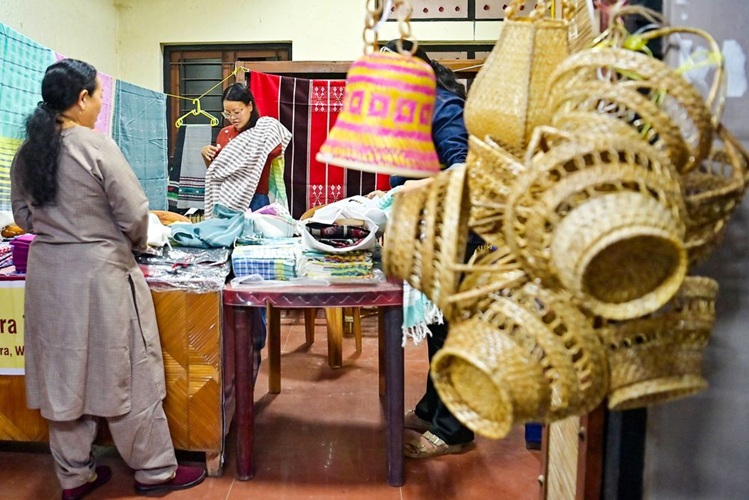
UNESCO has expressed interest in developing a food atlas of Meghalaya to showcase the state’s unique tribal cuisine and Shillong’s cosmopolitan food culture. The project, part of UNESCO’s International Food Atlas and Digital Platform, will document culinary traditions alongside cultural, social, and economic practices of food production and consumption, contributing to the 2030 Agenda for Sustainable Development.

The potential involvement of local Jamaat and BNP leaders in the severe devastation and body burning case in Bangladesh.

Less than two weeks before Sufi pir Nurul Huque’s grave was desecrated and his body burnt in Goalanda, Bangladesh, local Jamaat-e-Islami and BNP leaders secretly convened to incite the act. The outrage stemmed from Huque’s elevated grave, painted to resemble the Ka’aba, which some locals considered un-Islamic. Despite Huque’s family lowering the grave, a mob of ‘tawhidi janata’ stormed the site on September 5, exhumed the body, and set it ablaze with kerosene and petrol before hundreds of onlookers. Investigations reveal Maulana Jalal, the local JeI leader, along with BNP figures Abul Qashem and Ayub Ali Khan, played key roles in orchestrating the violence, though none have been arrested. The episode, condemned as both barbaric and un-Islamic, underscores rising tensions between Bangladesh’s Sufi heritage and Islamist hardliners.

Amidst the ongoing conflict, Ukrainian schoolchildren start the new school year in basement classrooms.

As the new academic year began, children in the Ukrainian village of Bobryk returned to lessons held underground — a stark reminder of a war with no end in sight. The local school, once forced to move classes to a basement during 20-hour air raid alarms, has transformed the damp storage space into classrooms with lighting, ventilation, and fresh flooring.

On the first day, pupils wore traditional embroidered shirts and brought flowers for their teachers, clinging to rituals of normalcy even as drones and explosions echo overhead. “This generation cannot be lost,” said principal Oleksii Korenivskyi. “Education is their future, and we must fight for it.”

For Bobryk’s 100 remaining students, learning without windows or doors underground has become routine. Childhood still flickers through — summer bike rides, helping parents — shadowed by the memory of intercepted drones scattering fragments nearby. In a village of just 2,000, each family’s departure is keenly felt, but for those who stay, classrooms beneath the earth have become a symbol of both survival and defiance.

Gen. Waker-uz-Zaman, the head of the Bangladesh Army, meets with President Yunus to clear the papers pertaining to officer promotions.

After exercising restraint for more than a month, Bangladesh Army chief General Waker-uz-Zaman today took it upon himself to meet Chief Adviser Mohammad Yunus to obtain his approval on all pending files related to the promotion of officers in the ranks of lieutenant colonels, colonels and brigadiers. Amid speculation tied to the deteriorating law and order situation, Gen Zaman also urged Yunus to delink the names of officers facing prosecution in the International Crimes Tribunal (ICT) for their alleged involvement during the July-August 2024 uprising. In addition, the Army chief met President Mohammad Shahabuddin ‘Chuppu’ for the presidential seal on all 70 files concerning officer promotions, completing the clearance process in one go after a month-long wait.

At the Pakistani mission, Bangladeshi politicians meet with a Pakistani minister.

Ishaq Dar’s recent visit to Bangladesh has ignited political debate and public backlash, especially regarding Pakistan’s unwillingness to offer a formal apology for the 1971 genocide. Right-wing factions in Dhaka, notably the BNP, Jamaat-e-Islami, and the National Citizen Party, warmly greeted Dar at the Pakistan High Commission—a move many Bangladeshis saw as controversial and symbolically problematic. The diplomatic encounter took place as Bangladesh’s interim Yunus regime faces mounting criticism for sidelining the Awami League and revising the country’s liberation history. Public demand for inclusive and credible elections continues to grow, with sharp resistance to both foreign influence and domestic political suppression. Despite official silence and political infighting, the enduring legacy of 1971 and Bangabandhu Sheikh Mujibur Rahman remains a rallying force for many in Bangladesh.