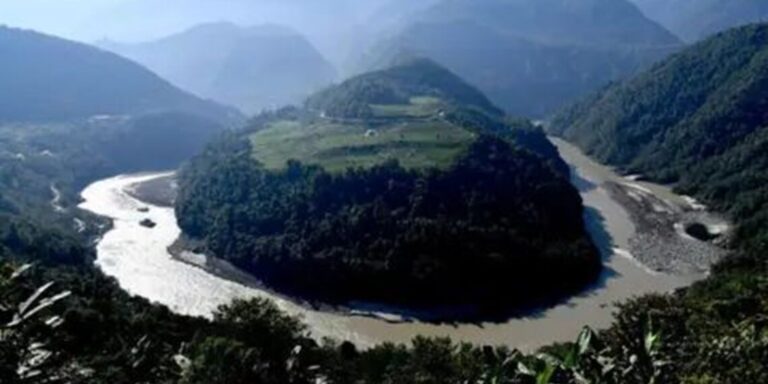
India is alarmed as China starts building a contentious mega project on the Brahmaputra.

China has commenced construction of the Yarlung Zangbo River Lower Reaches Hydropower Project in Tibet, a massive undertaking on the upper Brahmaputra that has raised fresh concerns in India and Bangladesh. The project, expected to cost $167.8 billion and feature five major power stations, involves straightening river bends and diverting water through tunnels—measures Beijing claims will boost regional energy supply. However, downstream nations worry the dam could disrupt water flow and local ecosystems. India has reiterated its demand for transparency and consultation, highlighting the risk to livelihoods and water security in its northeastern states. Bilateral mechanisms such as the Expert Level Mechanism (ELM) continue to facilitate dialogue, with both countries discussing hydrological data sharing and potential impacts. The dam’s construction highlights the intersection of renewable energy ambitions, critical water resources, and ongoing tensions in India-China relations.
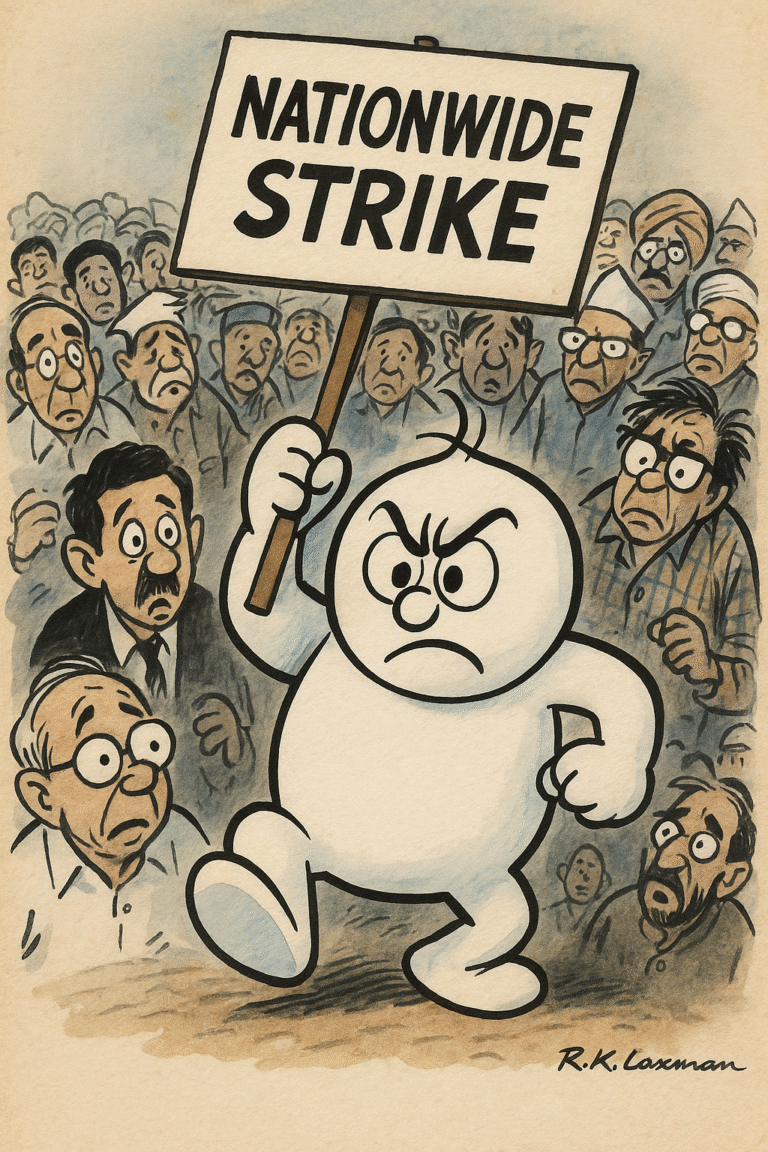
On Wednesday, more than 25 crore workers will go on strike nationwide; essential services could be interrupted.

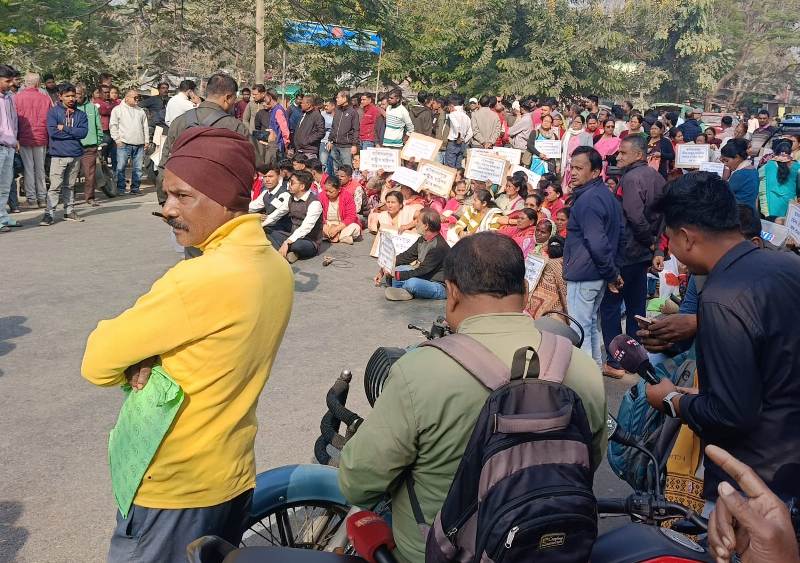
Public services across India are set to face major disruptions on Wednesday as over 25 crore workers from diverse sectors—including banking, insurance, coal mining, construction, and transportation—prepare to join a nationwide general strike. Called by a coalition of 10 central trade unions and supported by farmers’ and rural workers’ organizations, the strike is a protest against what unions describe as the government’s “anti-worker, anti-farmer, and pro-corporate policies.” Essential services like banking, postal operations, and public transport are expected to be hit hard. The unions have accused the government of ignoring their 17-point charter of demands, which includes calls for job creation, withdrawal of new labour codes, and protection against privatisation. With mass mobilisations planned in both urban and rural areas, this action marks one of the largest coordinated protests in recent years.

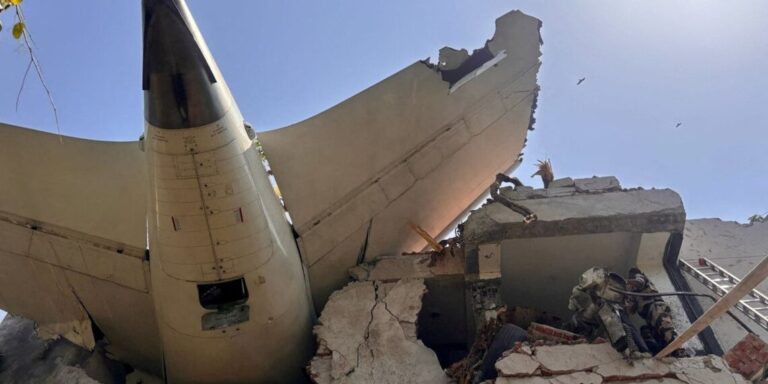
AAIB publishes initial report on crash of Air India AI171.

The Aircraft Accident Investigation Bureau (AAIB) has submitted its preliminary report on the Air India flight AI171 crash to the Ministry of Civil Aviation, outlining initial findings from the tragic June 12 accident in Ahmedabad. The report, based on early analysis of flight data, crew actions, weather conditions, and mechanical performance, highlights key observations but stops short of definitive conclusions as the full investigation continues. Preliminary indications point to a possible dual-engine failure shortly after takeoff, a scenario investigators are closely examining. The AAIB’s inquiry, supported by experts from the Indian Air Force, HAL, Boeing, GE, and the US National Transportation Safety Board, relies on data recovered from both black boxes at India’s new AAIB Lab in Delhi. The preliminary findings will also be shared with international aviation bodies, while a comprehensive final report is expected in the coming months.

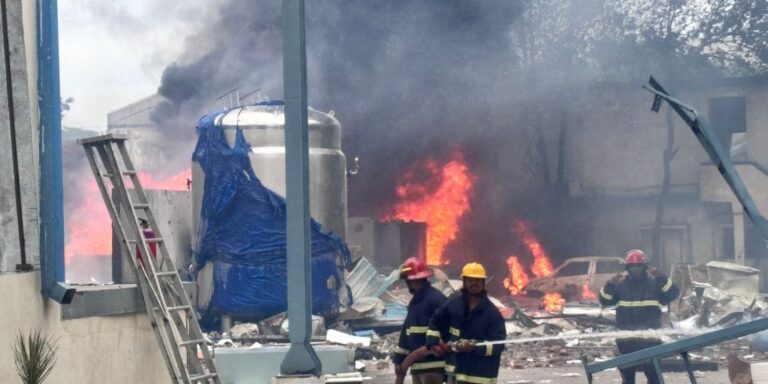
Death toll from Telangana plant explosion: 36

The death toll from the explosion at Sigachi Pharma Industries in Telangana’s Sangareddy district has climbed to 36, Chief Minister Revanth Reddy confirmed on Tuesday. Addressing the tragedy, the chief minister announced that the state government, in coordination with Sigachi Industries, will ensure Rs 1 crore compensation for the family of each deceased worker. Additional financial support includes Rs 10 lakh for those severely injured, Rs 5 lakh for those with recoverable injuries, and immediate relief of Rs 1 lakh and Rs 50,000 for bereaved families and injured workers, respectively. At the time of the explosion, 143 workers were present; rescue operations are ongoing as several remain missing. The blast, suspected to have been caused by a chemical reaction, has prompted a full investigation, with the chief minister assuring strict action against those responsible. Most victims were migrant workers from various states, and the tragedy has cast a pall over the region as authorities continue rescue and relief efforts.

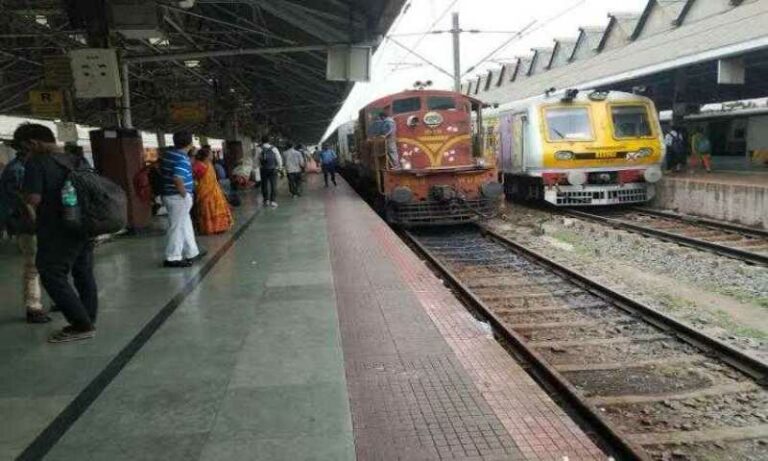
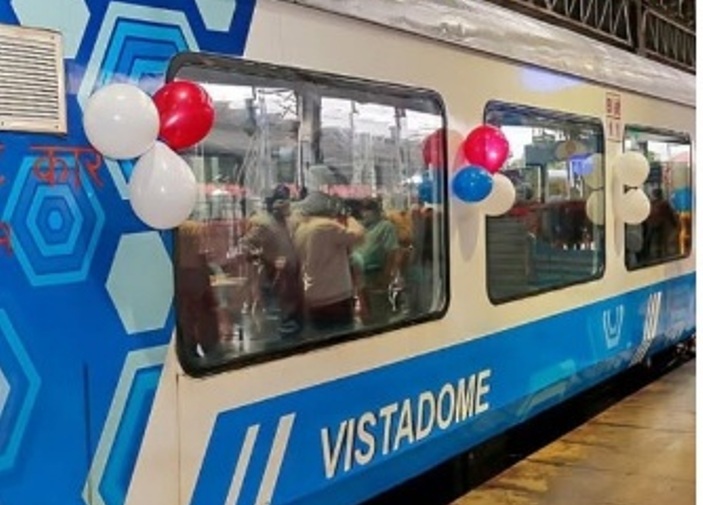
Indian Railways will now generate reservation charts 8 hours prior to departure.

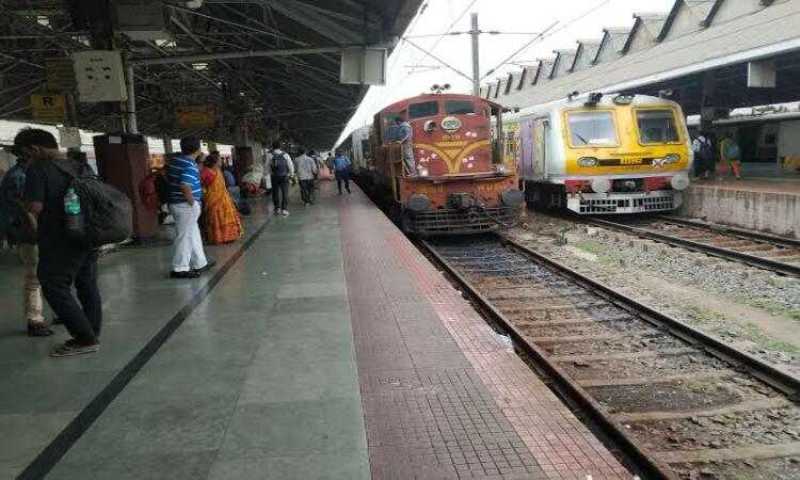
The Ministry of Railways has announced that reservation charts for confirmed berths or seats will now be prepared eight hours before a train’s scheduled departure, instead of the previous four hours. This move aims to provide passengers, especially those from remote areas, with more time to make alternative arrangements if their waitlist is not confirmed. Additionally, the Railways will revamp its Passenger Reservation System (PRS) by December, increasing booking capacity to 1.5 lakh tickets per minute and introducing a more user-friendly, multilingual interface. From July 1, 2025, only authenticated users will be allowed to book Tatkal tickets via the IRCTC website and app, further enhancing transparency and convenience for travelers.

Four staff are fired by Air India SATS due to criticism of a party video.

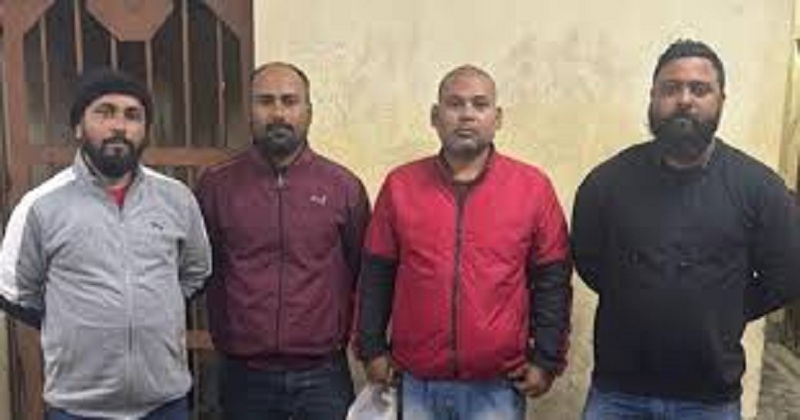
“Following public outrage over a viral video showing Air India SATS (AISATS) senior officials celebrating at an office party in Gurugram shortly after the Ahmedabad plane crash that claimed 270 lives, AISATS has terminated four senior executives, including COO Abraham Zachariah. The incident, widely condemned as insensitive and disrespectful to the victims and their families, occurred while many bodies were still unidentified and funeral rites pending. AISATS, a joint venture between Air India Limited and SATS Limited, expressed regret over the emotional distress caused but faced sustained criticism amid ongoing investigations into the crash and scrutiny of its operational role.”

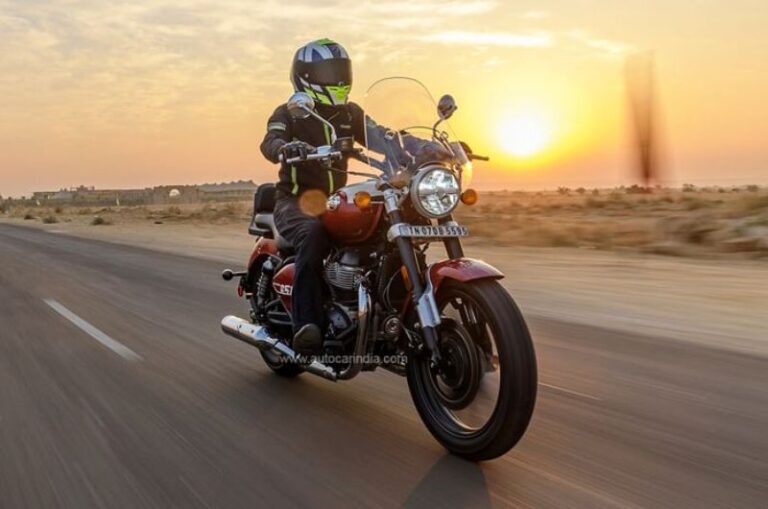
The government wants new two-wheelers to be required to wear two helmets.

“At the time of purchase of the two-wheeler, three months from the date of commencement of the Central Motor Vehicles (Amendment) Rules, 2025, the manufacturer of the two-wheeler shall supply two protective headgears conforming to specifications prescribed by the Bureau of Indian Standards (BIS).”

“In a further push for two-wheeler safety, the ministry has also proposed that from January 1, 2026, all new L2 category vehicles, including motorcycles and scooters with engine capacities above 50cc or speeds exceeding 50 km/h, be equipped with Anti-lock Braking Systems (ABS). The ABS must adhere to Indian Standard IS14664:2010 to ensure better braking control and reduce the risk of skidding.”

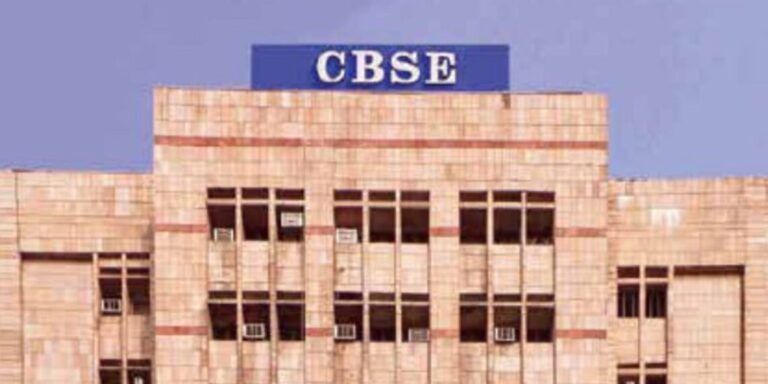
Beginning in 2026, CBSE will implement two-phase Class 10 board exams.

Starting in 2026, CBSE will offer Class 10 students the chance to take board exams twice a year—a mandatory phase in February and an optional one in May—with the higher score counting as the final result. This change, aligned with the National Education Policy, allows students to improve their marks in up to three subjects and replaces the previous supplementary exam system. The new model is designed to reduce exam pressure and provide greater flexibility, especially for students from winter-bound schools or those involved in sports, while maintaining academic rigor and integrity. Internal assessments will be conducted only once per year. Students who miss at least three subjects in February will not be eligible for the May phase and must wait until the next year’s main exam.

Indian Railways announces ticket increases and tatkal changes based on Aadhaar starting on July 1.

Indian Railways has announced a revised fare structure effective July 1, 2025, marking its first hike in several years to address rising costs and inflation. The increase will not affect suburban trains, monthly season tickets, or ordinary second-class travel up to 500 km. For longer journeys, ordinary second-class fares will rise by 0.5 paise per km, non-AC Mail/Express by 1 paise per km, and all AC classes by 2 paise per km.
Additionally, from July 1, Aadhaar authentication will be mandatory for Tatkal ticket bookings on IRCTC platforms, with Aadhaar-based OTP verification enforced from July 15. IRCTC agents will also be barred from booking Tatkal tickets during the first 30 minutes of the booking window, aiming to enhance transparency and curb misuse. These reforms aim to create a more secure and passenger-friendly railway system.