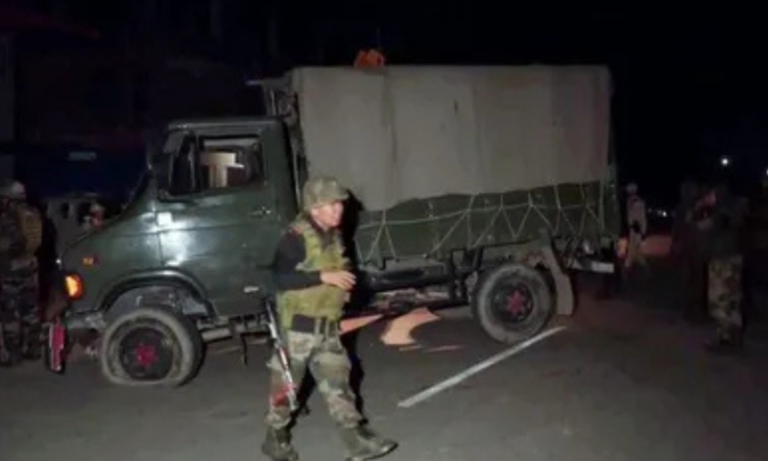
A mob smashes a car near Bishalgarh, injuring two BSF officers in Tripura.

“Two Border Security Force (BSF) personnel were injured on Friday after a mob attacked their vehicle in Bishalgarh, Tripura’s Sepahijala district, following a collision involving the BSF vehicle, a private car, and an e-rickshaw in the New Market area. The vehicle was badly damaged as public anger erupted. The injured jawans were treated at a hospital and later discharged. Police have launched an investigation, reviewing CCTV footage to identify the attackers, but no arrests have been made yet. Senior BSF officials coordinated with local police on the matter. Despite the attack, the troops did not retaliate to avoid harm to civilians, highlighting ongoing concerns about law and order in the area.”​

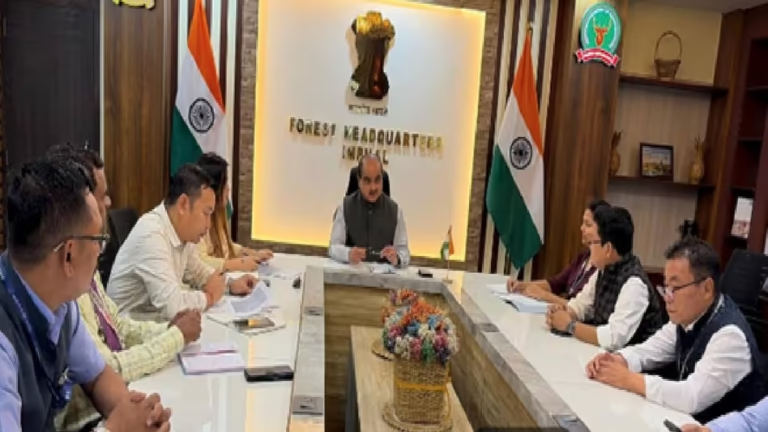
The Manipur government calls out the “exorbitant” increase in airfare, and ACS meets with AAI officials and airlines at a high level.

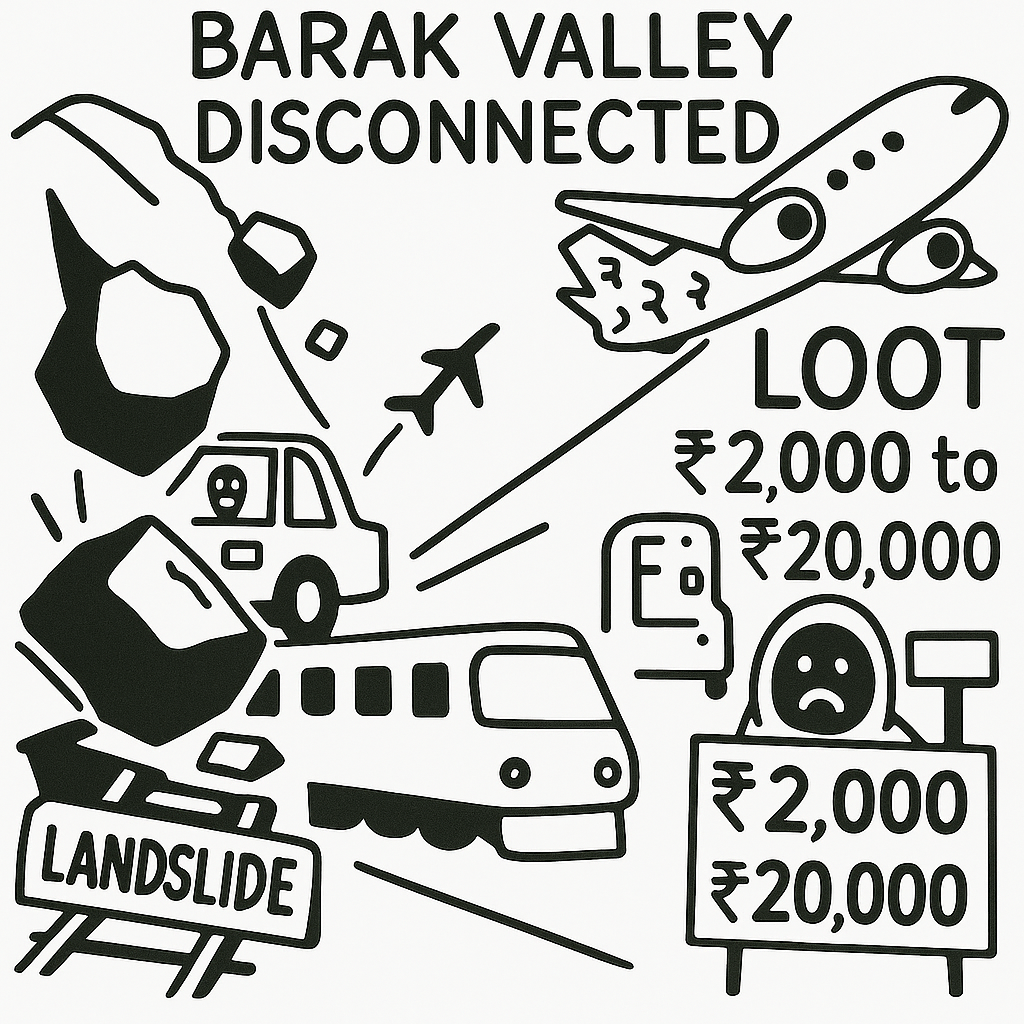
“Additional Chief Secretary Anurag Bajpai convened a meeting with representatives from the Airports Authority of India, Air India Express, IndiGo, and Alliance Air on November 4 to address the abnormal surge in airfares and restricted flight connectivity in Manipur’s Imphal sector. Airfares for the short Imphal–Guwahati route have soared from Rs 2,000–3,000 to Rs 10,000–15,000, up to seven times higher than fares for similar distances in other northeastern states. With road connectivity frequently disrupted and rail services yet to be operational, air travel is the only reliable mode of transport. The Governor of Manipur has urged the Union Civil Aviation Minister to intervene and regulate airfares to alleviate the financial burden on local travelers. Bajpai emphasized ensuring airfare parity with other northeastern states, maintaining summer-level flight frequencies during winter, and requested reinstatement of suspended regional routes along with exploring new international services. The government remains committed to preserving physical and economic connectivity with socially equitable air travel pricing in the state.”

In the Arunachal adolescent suicide case, an IAS officer was given bail.

“The District and Sessions Court in Itanagar on Tuesday granted bail to senior IAS officer Talo Potom in connection with the alleged abetment of suicide of a 19-year-old youth. The case stems from the death of Gomchu Yekar, who was found dead in his rented accommodation on October 24. In a suicide note recovered from the scene, Yekar reportedly accused former Itanagar Capital Region Deputy Commissioner Potom and Rural Works Department Executive Engineer Likwang Lowang of sexual exploitation, harassment, coercion, and threats. Following the incident, police registered a case under Sections 108, 271, 272, and 3(5) of the Bharatiya Nyaya Sanhita at Nirjuli Police Station. Potom surrendered before the police on October 27 and had been in judicial custody for 14 days.

In his order, District and Sessions Judge Dr Hirendra Kashyap observed that the evidence on record did not prima facie establish the charge of abetment of suicide and that further detention of the accused was unnecessary for the ongoing investigation. The court granted bail on a personal bond of Rs. 1 lakh with one surety of a similar amount. Potom has been directed to cooperate with the investigation, appear before the investigating officer as required, and refrain from influencing witnesses or tampering with evidence in any manner.”​

Airlines are rapped by Biren Singh as 45-minute A flight from Imphal to Guwahati costs more than a three-hour travel from Delhi.

Former Manipur Chief Minister N. Biren Singh condemned the exorbitant airfares on flights to and from Imphal, describing the situation as “daylight robbery.” He highlighted that for over two and a half years, the people of Manipur have been forced to rely solely on air travel due to ongoing road blockades and unrest. Singh pointed out that a 45-minute flight from Imphal to Guwahati costs more than a three-hour flight to Delhi, calling such pricing “unfair and unacceptable.” He urged Union Civil Aviation Minister Ram Mohan Naidu Kinjarapu to take immediate action to rationalize fares and stop airlines from exploiting passengers who have no alternative travel options.

This airfare surge was partly attributed to the withdrawal of certain flights, which increased demand on the remaining routes. Manipur had earlier launched subsidized flights with fares capped at Rs 5,000 under a state scheme, but prices remain high on several routes as the highway blockade continues, severely disrupting connectivity. Local travel agencies confirmed the sharp price hikes concurrent with the surge in travel demand, intensifying the burden on residents dependent on air travel.​

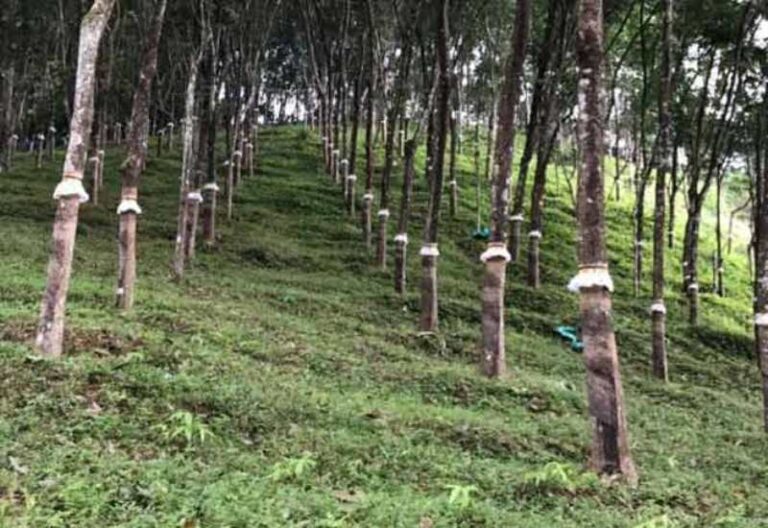
Logistics constraints hamper growth of rubber-based industries in Tripura: Official

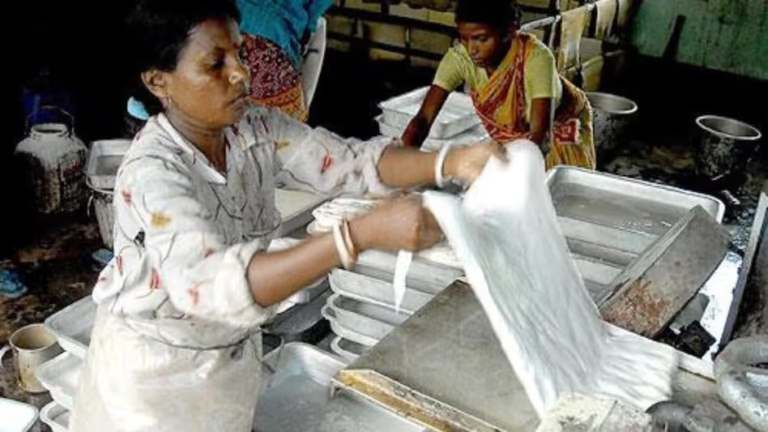
Tripura is India’s second-largest natural rubber producer, with an annual production of over 70,000 tonnes and expansive plantations covering more than 85,000 hectares. Despite abundant raw material supply, logistics constraints—such as high transportation costs and inadequate infrastructure—limit the growth of rubber-based industries in the state. Currently, only one rubber thread production unit operates in Bodhjungnagar Industrial Area.

The state government is actively working to attract investments by improving connectivity, offering incentives, and partnering with entities like the Tripura Industrial Development Corporation (TIDC) and Rubber Board. Key upcoming projects, including the Agartala-Akhaura railway link and enhanced access to Chittagong Port in Bangladesh, are expected to reduce logistics costs and boost export potential. Once these transport links become fully operational, Tripura could emerge as a major hub for rubber-based industries in Northeast India.

Most of Tripura’s rubber is exported outside the state for value addition due to limited local processing facilities, though initiatives like setting up smoke houses aim to enhance local processing quality and economic benefits for growers. The industry supports thousands of small growers, making it vital to the region’s economy. Addressing logistics and infrastructure challenges remains critical to fully unlocking Tripura’s industrial potential in natural rubber.​

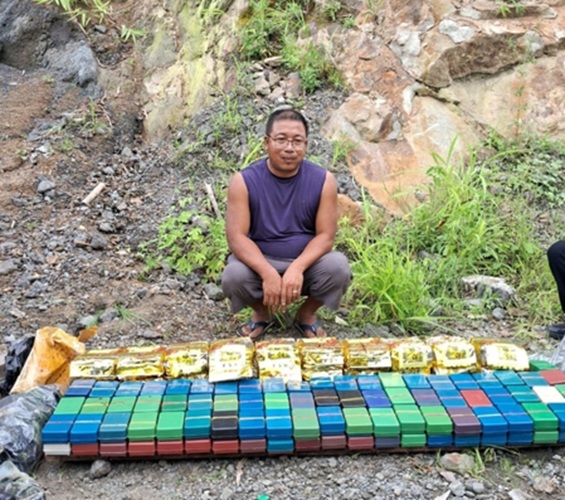
Mizoram discovered drugs valued at Rs 45 crore; four people were detained, including two from Myanmar.

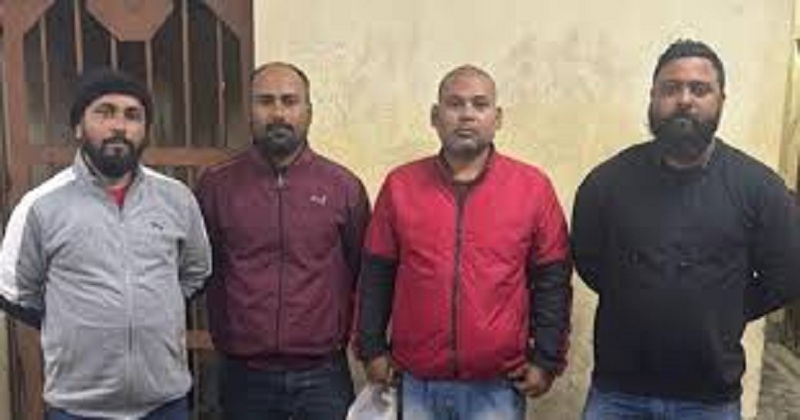
“In a major operation by the Mizoram Excise and Narcotics Department, over 15 kg of methamphetamine tablets worth more than Rs. 45 crore were seized, and four persons were arrested, including two Myanmar nationals. The bust included two operations in Champhai district, a key transit point near the India-Myanmar border. Authorities intercepted traffickers and recovered 10.1 kg of methamphetamine tablets from two Myanmar nationals and an additional 5.11 kg from two Indian nationals from Assam and Tripura. The vehicle used for smuggling, registered in Assam, was also seized. The accused have been booked under the Narcotic Drugs and Psychotropic Substances (NDPS) Act, 1985. Champhai and neighboring districts have emerged as critical corridors for the illicit trade of synthetic drugs, which are banned in India due to their high addictive potential. Mizoram shares a 1,643-km unfenced border with Myanmar, making it vulnerable to such trafficking networks.”

This operation is part of an intensified crackdown on drug smuggling through Mizoram, reflecting the state’s strategic location near the Golden Triangle drug trade route and its role as a major transit corridor for narcotics from Myanmar to other Indian states.​

IIM Calcutta Innovation Park and Assam collaborate to support Northeastern startups.

The IIM Calcutta Innovation Park (IIMCIP) has signed a Memorandum of Understanding with the Assam Innovation and Startup Foundation (AISF) to accelerate entrepreneurship and startup development in Assam and the broader Northeast. The agreement was signed by Jeevan Basavaraj, Secretary of Assam’s Department of Innovation, Incubation and Startups (DIIS), and Ajay Jain, Chairman of IIMCIP, in the presence of senior officials from both organizations.

Under this collaboration, IIMCIP will share its expertise in mentoring, funding, and ecosystem development to strengthen AISF’s mission of nurturing a vibrant startup culture in the state. The initiative supports the Assam Startup Policy 2025, which aims to position Assam as an innovation-driven hub promoting job creation and inclusive growth.

IIMCIP, a not-for-profit body under IIM Calcutta, has already mentored over 2,000 startups and provided seed funding to more than 130 ventures, collectively helping them raise about Rs. 2,000 crore in funding with a combined valuation of Rs. 8,000 crore.

AISF, operating under the Assam government’s DIIS, functions as a key platform for incubation, market access, and investor engagement. Together, the two institutions aim to introduce structured mentorship programs, enhance startup capacity-building, promote women-led enterprises, and create greater opportunities for innovators across the Northeast.

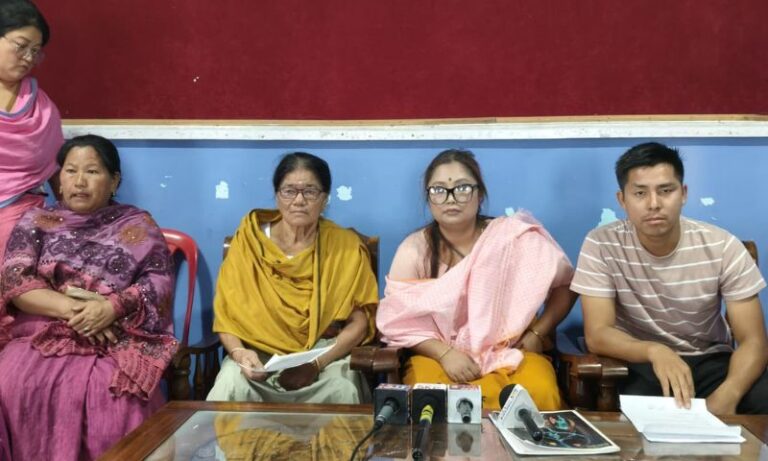
Manipur IDPs want temporary refuge from the government after being evicted from their Langol quarters.

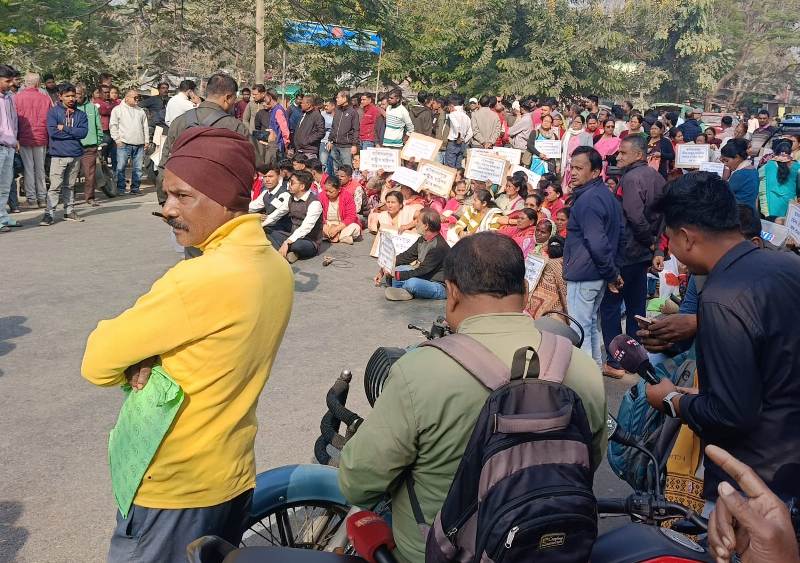
Tension has escalated among around 200 displaced families residing at Langol Game Village Government Quarters in Imphal, Manipur, following an eviction order by the district administration. These families, who fled their homes during the ethnic violence of May 2023, have been living in temporary shelter for nearly two years amid ongoing insecurity and lack of alternative housing. They allege government neglect regarding permanent rehabilitation, security guarantees, and safe return plans. Despite appeals and petitions to the Deputy Commissioner and the Director General of Police, no official response or assurance has been received. The IDPs urge the government to withdraw or suspend eviction orders and adopt a compassionate approach until peace is restored. Over 60,000 people remain displaced across Manipur, many housed in relief camps and temporary shelters, with ongoing demands for security, compensation, and safe passage back to their homes.​

Officials say that logistics difficulties prevent Tripura’s rubber-based economy from growing.

Northeast India has witnessed remarkable infrastructure growth over recent years, transforming from a historically isolated region into a vital part of India’s national connectivity and economic integration. Under flagship policies like the Act East Policy and schemes such as the North East Special Infrastructure Development Scheme (NESIDS) and PM-DevINE, extensive road, rail, air, and digital infrastructure projects have been implemented or are underway. Nearly 16,207 km of National Highways have been constructed, linking state capitals, border areas, and regional markets more effectively. Rail connectivity has expanded with new lines in Arunachal Pradesh, Mizoram, Manipur, and Nagaland, boosting passenger and freight movement. Air connectivity has grown through the addition of greenfield airports. These efforts aim to enhance mobility, access to markets, and overall quality of life, while facilitating India’s strategic and economic outreach in the region.