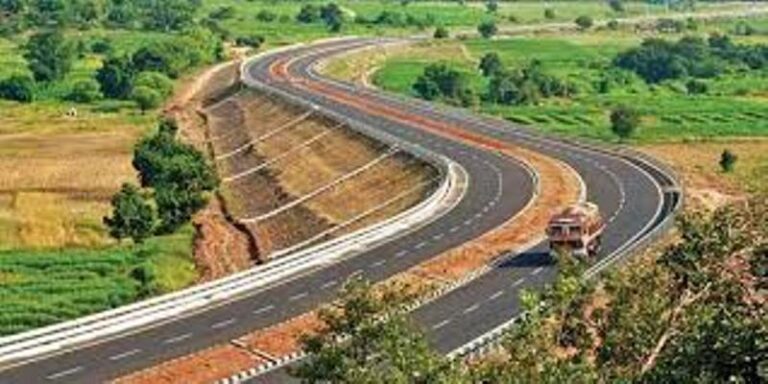
Assam: To speed up the Bharat Mala project, the Cachar administration would address outstanding difficulties.

“A review meeting chaired by District Commissioner Mridul Yadav was held to expedite land acquisition and resolve bottlenecks in ongoing Bharat Mala Project infrastructure packages in Cachar district. Key deliberations included:

Silchar–Badarpur–Churaibari Package-1: Clearance of land at Srikona, resolution of defence estate land issues at Tarapur, and relocation of government/private institutions for timely execution.

Panchgram & Badarpur Bypass Projects (Package-2 & Package-3): Preparation of an additional 3G report and removal of specific hurdles at Karaikandi to accelerate progress.

The Deputy Commissioner stressed proactive coordination across departments, with full administrative support to ensure timely completion of these nationally significant projects. Enhanced connectivity through the Bharat Mala works, officials noted, will reinforce the socio-economic development of the Barak Valley. The meeting was attended by NHIDCL representatives, senior district officials, and other stakeholders.”
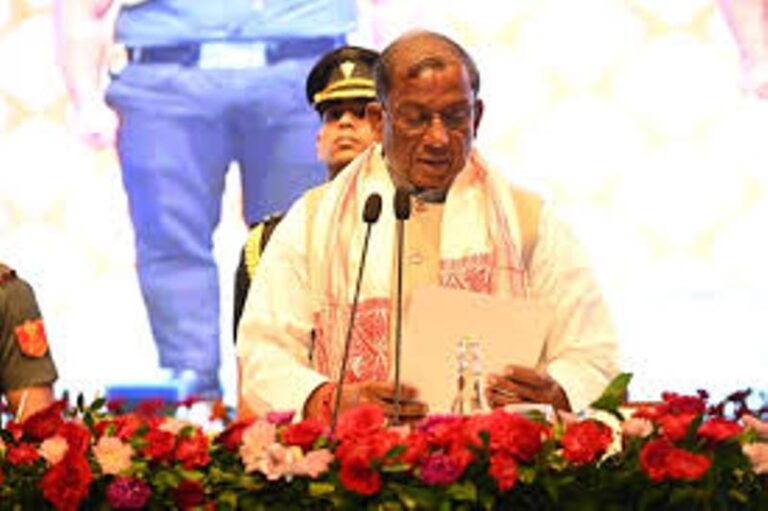

The Assam government enforces a ban within five km of Raj Bhavan in Guwahati.

“It has been brought to my attention that certain activities in the vicinity of Raj Bhavan, Guwahati, pose potential threats to the safety, security and sanctity of this high-security zone. As the Raj Bhavan is the official residence of the Governor of Assam and requires heightened security and a tranquil environment for essential government functioning, I, Amitabh Basumatary, Deputy Commissioner of Police (Central), Guwahati, in exercise of powers conferred under Section 163 of the BNSS, do hereby prohibit the assembly of five or more persons, public gatherings, protests, rallies, demonstrations, use of loudspeakers, fireworks, crackers or other noise-producing instruments, unauthorized movement of vehicles or individuals without prior approval, and any construction or disruptive activities within a radius of five kilometres of Raj Bhavan, Guwahati.

This order shall remain in force for a period of two months from the date of issuance. Any person contravening this order shall be liable for punishment under the provisions of the Bharatiya Nagarik Suraksha Sanhita. Any person aggrieved with this order may file a written objection before the undersigned for cancellation or modification of this ex-parte order.”

Days after being allegedly killed by an armed group, the body of a Thadou leader was found in an Assam river.

The body of Thadou community leader Nehkam Jomhao (59) was recovered from a river in Assam’s Karbi Anglong district five days after his abduction and killing on August 30. Jomhao, known for initiating peace efforts with Meitei groups, was allegedly targeted by members of an armed faction opposed to his reconciliation moves. Police have arrested six suspects, some linked to the Kuki Revolutionary Army (Assam), which operates under a ceasefire agreement. The incident has sent shockwaves through the Thadou community, which has long asserted a distinct ethnic identity separate from the broader Kuki grouping, and is feared to further strain inter-community relations in the backdrop of the ongoing Kuki–Meitei conflict in Manipur.

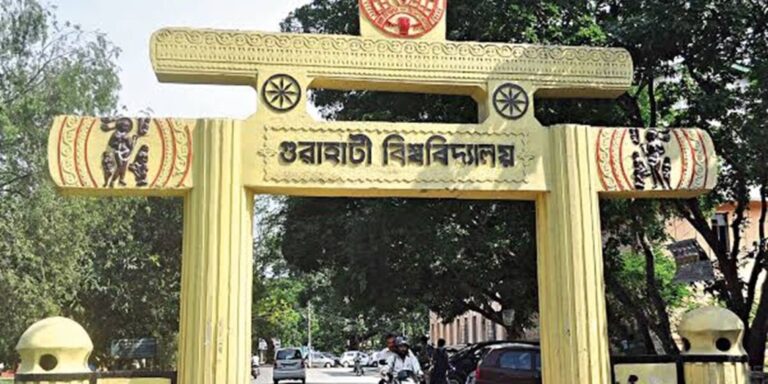
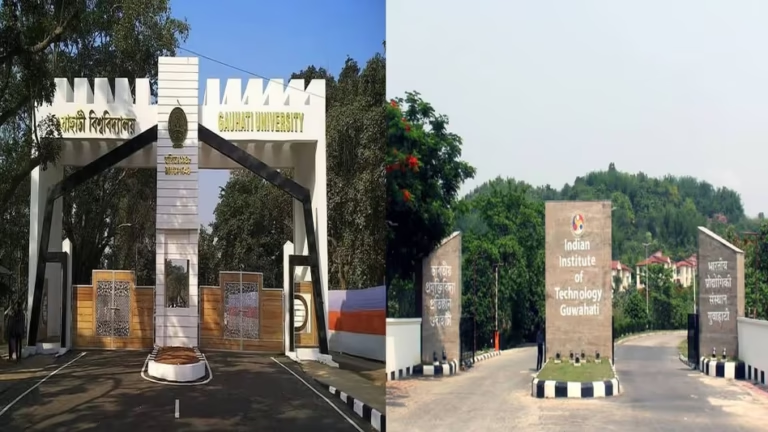
According to NIRF 2025, Gawahati University rises to ninth place among state universities.

Gauhati University has achieved a major milestone in the NIRF 2025 rankings, securing the 9th spot among state public universities, a four-rank rise from last year. It also stood 33rd among universities and 52nd among all higher education institutions across India. Assam Education Minister Ranoj Pegu hailed the achievement as a moment of pride, while Vice Chancellor Prof. Nani Gopal Mahanta credited the collective efforts of faculty, students, and staff. The recognition comes shortly after GU’s inclusion in the Times Higher Education Asia Rankings 2025, where it was placed in the 351–400 global bracket and 48th in India.

“Illegal migration” and the use of indigenous people as weapons.

The debate on “illegal migration” in Assam must be understood against a long history of cross-border movements, colonial settlement policies, and post-Independence anxieties crystallised during the Assam Agitation and the 1985 Assam Accord. While citizenship verification exercises like the NRC sought legal clarity, they also deepened precarity. Today, these tensions have taken a troubling turn with Assam’s new policy of distributing arms licences to “indigenous” communities in border and Muslim-majority districts.

Critics warn that this move echoes the unconstitutional Salwa Judum experiment in Chhattisgarh, which the Supreme Court struck down in Nandini Sundar v. State of Chhattisgarh (2011) for outsourcing policing to civilians. By privileging contested notions of “indigenous,” the Assam policy risks entrenching exclusion, militarising identity, and displacing the State’s constitutional duty to ensure law and order. Historical lessons and past conflicts—such as the 2012 Bodo–Muslim clashes—show that arming civilians under communal lines only sharpens divisions and fuels cycles of violence.

At stake, therefore, is not just the question of migration, but whether the State safeguards vulnerable citizens through accountable institutions or shifts responsibility onto fractured communities. As legal, humanitarian and historical perspectives all underline, Assam’s challenges demand dialogue, equitable governance and professional policing—not the normalisation of armed identities.

After a terrible child death in Guwahati, the chief minister of Assam orders satellite mapping of open drains.

In the aftermath of a tragic accident in Kalapahar, Guwahati, where a five-year-old boy died after falling into an open under-construction drain, Assam Chief Minister Himanta Biswa Sarma has directed the chief secretary to use satellite imagery to identify all open drains across the city. The move comes amid rising concerns over public safety and reports of missing manhole covers. On the same day, another mishap in Kahilipara left an elderly man severely injured after a fall into a partially built roadside drain. The Chief Minister stressed stricter monitoring of construction sites and preventive measures to avoid a repeat of such tragedies.

Bhubaneswar is the location of Assam’s “Most Wanted.”

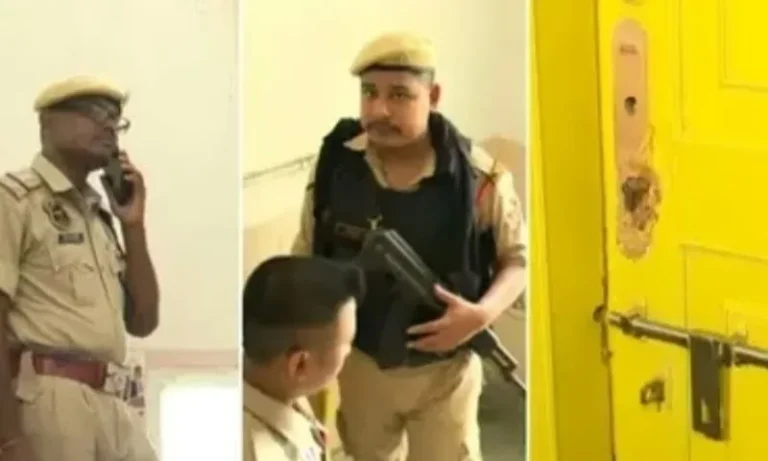
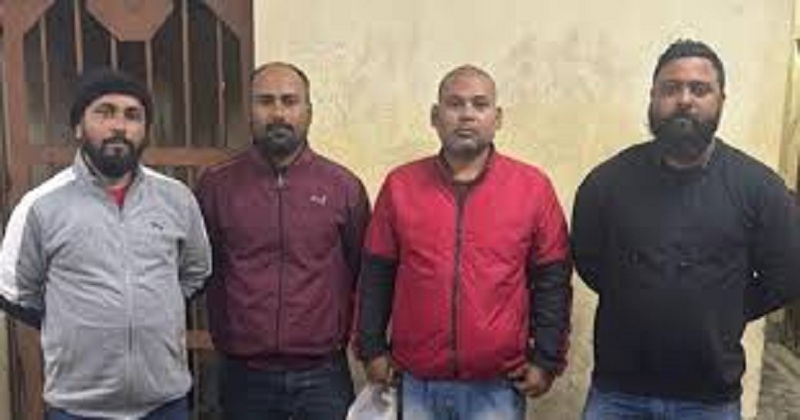
In a dramatic joint operation on Thursday, Assam Police and the Bhubaneswar-Cuttack Commissionerate Police raided Subhadra Apartment in Bhubaneswar’s Infocity area to nab Sameer Patnaik, one of Assam’s most wanted accused in multi-crore financial scams. Acting on fresh warrants and intelligence inputs, the police forced entry into the suspected hideout but found Patnaik missing. An unidentified woman present at the flat was detained for questioning. Authorities suspect Patnaik is still in Bhubaneswar, possibly aided by local contacts, and follow-up raids are underway. The operation highlights intensified inter-state coordination to track high-profile economic offenders.

The NIRF performance of Assamese higher education institutions.

Assam’s higher education sector has registered a proud achievement in the NIRF 2025 rankings, with IIT Guwahati (11th), Gauhati University (52nd overall / 9th among state public universities), and NIT Silchar (97th) making it to India’s top 100 institutions. Notably, Gauhati University made its strongest-ever leap, breaking into the top 10 state public universities, a feat hailed by Vice-Chancellor Prof. Nani Gopal Mahanta as a “momentous institutional leap.” Education Minister Dr. Ranoj Pegu lauded the success, calling it a reflection of Assam’s growing academic strength. The recognition comes as GU also earned a place in the Times Higher Education Asia Rankings 2025 (351–400 global band, 48th in India).

The BharatGen AI platform at IIT Bombay now supports the Assamese language.

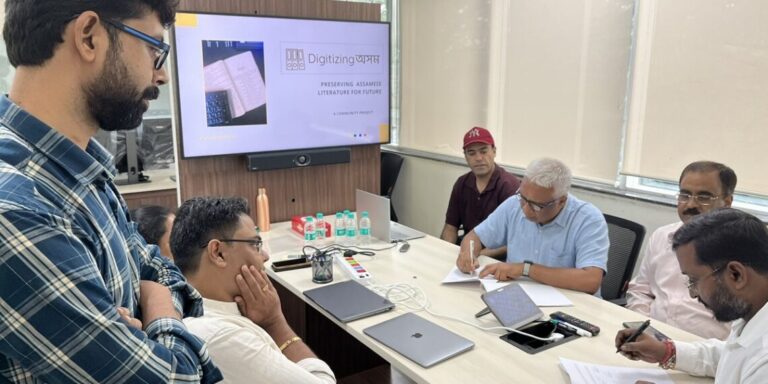
In a landmark development for regional language preservation, Assamese has been integrated into IIT Bombay’s AI platform BharatGen through a collaboration with two Guwahati-based NGOs. The move brings over two million pages of digitised Assamese content into the national AI initiative, making Assamese the tenth Indian language on the platform. Officials said this marks the first time Assamese has achieved such scale of AI readiness.

The integration is the outcome of the ‘Digitising Assam’ project by the Nanda Talukdar Foundation (NTF) and Assam Jatiya Bidyalay Trust, where volunteers digitised books, journals, manuscripts, and ancient Sachipats over 40 months, creating one of India’s largest citizen-led preservation efforts. BharatGen—India’s first government-funded multi-modal large language model spearheaded by IIT Bombay—aims to cover all 22 scheduled Indian languages and serve as an indigenous alternative to global AI platforms. Assamese’s inclusion ensures digital preservation, cultural safeguarding, and AI accessibility for the language in India’s growing tech ecosystem.

Assam’s schools see a decline in dropout rates and an increase in enrolment and retention: UDISE+ 2024–25 report.

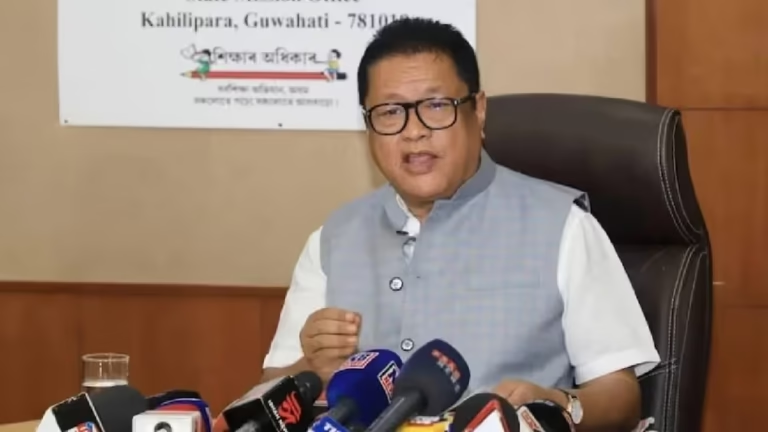
Assam has recorded significant gains in school education across key indicators, according to the UDISE+ 2024–25 report released by the Ministry of Education. Education Minister Ranoj Pegu, addressing the media in Guwahati on September 3, credited the state’s reforms—such as the AI-powered Shiksha Setu initiative and improved infrastructure—for reducing dropout rates, boosting enrolment, and strengthening retention at multiple levels. The lower primary dropout rate has fallen sharply from 6.2% to 3.8%, while secondary transitions and gross enrolment ratios have also improved. Marking Teacher’s Day, Pegu announced the Kriti Shikshak Awards for 15 teachers, and said six “A”-grade colleges would also be felicitated. He reiterated that recruitment would remain strictly within sanctioned vacancies.