Paddy fields are devastated, and the threat of monkeys exacerbates farmers’ problems in Bokakhat in Assam.

“Farmers in Bokakhat are facing severe distress as the monkey population has surged, resulting in extensive damage to paddy fields nearing harvest. Hundreds of monkeys have been invading farmlands, destroying crops and causing significant economic losses to the local community. Without any substantial official intervention, villagers have resorted to chasing the monkeys away using sticks, loud noises, and burning chilies to protect their crops. The relentless monkey raids have left farmers both mentally and financially distressed, fearing their months of hard work may be wiped out. This issue is further compounded by ongoing challenges from wild elephant incursions, which also damage crops and threaten livelihoods. Residents have appealed to government authorities and forest departments to take urgent and effective measures to control the growing monkey population and protect agricultural fields.”​

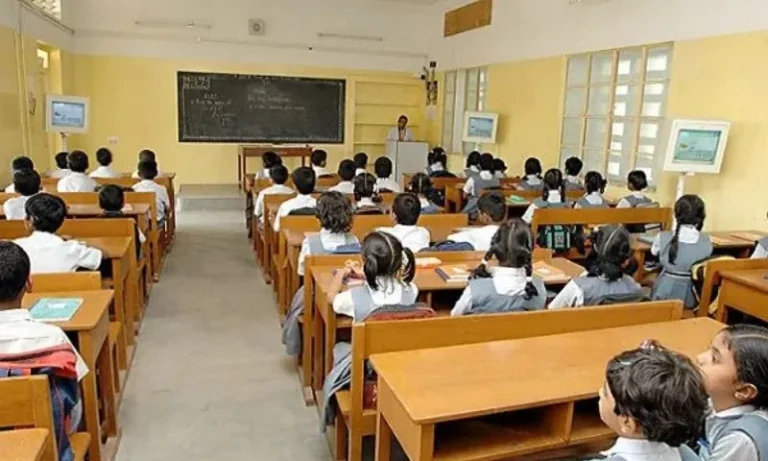
278 schools in Assam are being converted to mother tongue instruction.

“The Assam government has announced that 278 Lower Primary schools across the state will operate as Dimasa Medium Lower Primary Schools from the 2025–26 academic session, marking a major step toward protecting and promoting the Dimasa language. The official notification, issued by the Department of School Education (E.No. 632888/79), confirmed that the listed schools will adopt Dimasa as the medium of instruction at the foundational level. The move aims to ensure that children from the Dimasa community can study in their mother tongue during their formative years. The order states that ‘in the interest of the public in general and for preserving and promoting the Dimasa language,’ the government is pleased to introduce Dimasa as the official medium of instruction in these 278 schools.

The decision applies to schools under the administrative control of the North Cachar Hills Autonomous Council (NCHAC) with plans to potentially expand to other areas with significant Dimasa-speaking populations. Officials, including the Director of Elementary Education, the Director of SCERT, and the Mission Director of Samagra Shiksha Assam, have been tasked with overseeing the smooth implementation of this transition. Education experts have welcomed the initiative as a significant measure for linguistic inclusion and cultural preservation in Assam, reflecting the government’s commitment to promoting education in indigenous languages.”

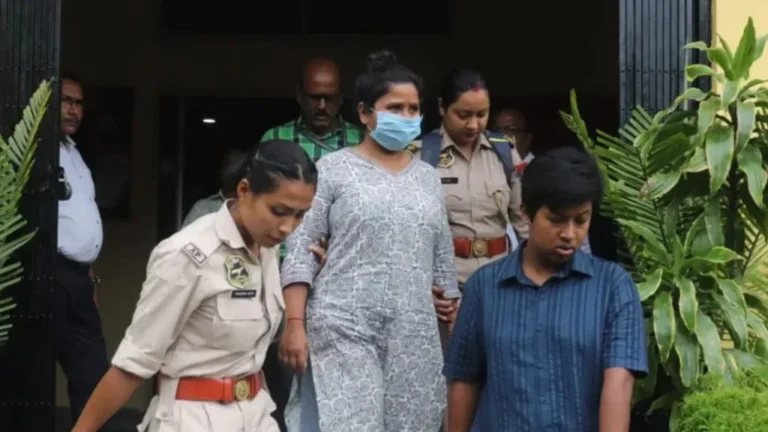
ACS officer Nupur Borah is granted bail by the Gauhati High Court, citing procedural errors in the arrest.

The Gauhati High Court has granted bail to Assam Civil Service (ACS) officer Nupur Borah, citing significant procedural lapses in her late-night arrest by the Chief Minister’s Vigilance Cell. Borah was arrested on September 15 under case No. 25/2025 related to misconduct and corruption allegations, particularly involving disproportionate assets and corrupt land transfers during her earlier tenure as Circle Officer in Barpeta district. The arrest took place around 8 pm without obtaining prior permission from a First-Class Magistrate, violating Sections 47 and 48 of the Bharatiya Nagarik Suraksha Sanhita (BNSS) which regulate the arrest of women.

During bail proceedings, the court noted the government counsel’s inability to effectively counter the defense’s arguments emphasizing these procedural errors. Following the arrest, significant assets including Rs 92.50 lakh in cash and a large quantity of gold and diamond jewellery were seized from her Guwahati residence. Advocate Bijan Mahajan highlighted that the police’s procedural mistake, particularly the timing of the arrest at night without magistrate approval, led to Borah being granted bail. This judgment raises important questions about the adherence to due process and arrest protocols in high-profile vigilance operations in Assam.​

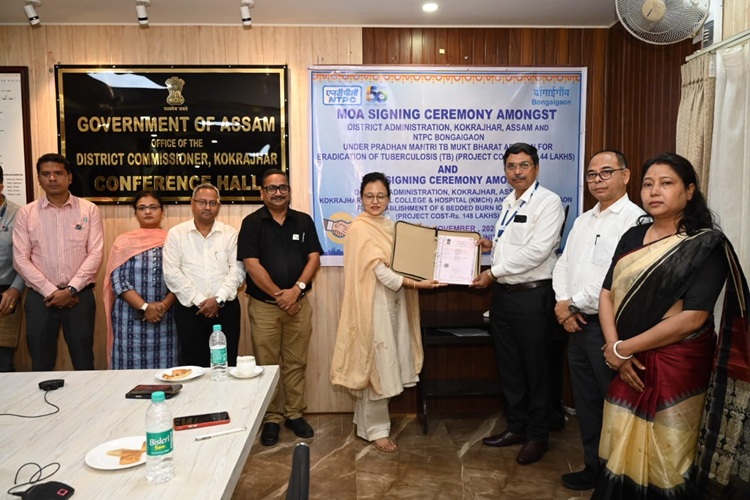
NTPC signs two healthcare agreements in Assam to help TB patients and establish a burn ICU.

NTPC Bongaigaon has signed two Memorandums of Agreement (MoAs) with the Kokrajhar district administration as part of its Corporate Social Responsibility (CSR) efforts to strengthen public healthcare in the Bodoland Territorial Region (BTR). The first MoA entails the establishment of a modern six-bed burn Intensive Care Unit (ICU) at Kokrajhar Medical College and Hospital (KMCH), equipped with advanced life-support systems, infection-control facilities, and specialised medical equipment. This project, costing Rs 1.47 crore, is expected to be completed within a year and will enhance KMCH’s capability to manage critical burn cases and provide tertiary care to patients from Kokrajhar and surrounding districts.

The second MoA, valued at Rs 13.44 lakh, focuses on providing nutritional support to 200 registered tuberculosis (TB) patients for six months under the Pradhan Mantri TB Mukt Bharat Abhiyan. Patients enrolled will receive monthly food and protein supplements to aid recovery and ensure treatment adherence. These initiatives reflect NTPC’s commitment to improving community health infrastructure and supporting government health missions in the region through meaningful CSR interventions.​

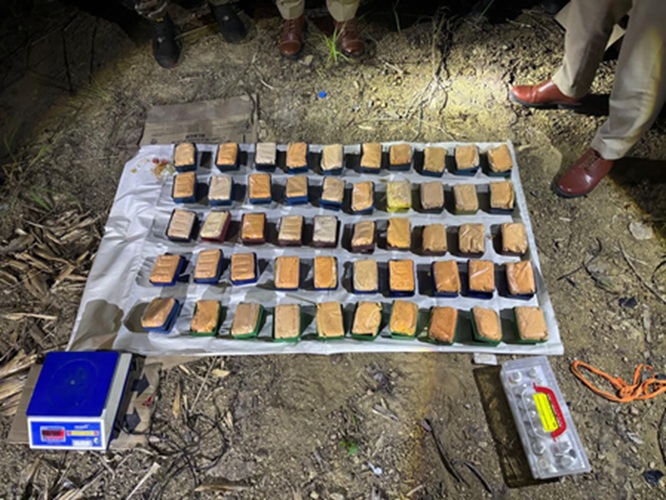
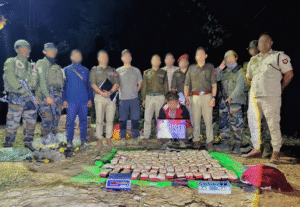
During a joint operation, heroin valued at Rs. 4.65 crore was found in Assam.

Security forces in Assam achieved a major breakthrough with the seizure of heroin worth Rs 4.65 crore near Jhujang Pahar in Cachar district during a joint operation by Assam Rifles and Assam Police. Acting on specific intelligence, they recovered the heroin concealed inside 50 soap cases. This was the second major drug seizure in the district within 48 hours. On November 9, another joint operation led to the seizure of methamphetamine tablets, known as ‘Yaba,’ valued at Rs 6 crore near Silchar, resulting in one person’s arrest.

These coordinated operations mark significant steps in disrupting drug trafficking networks using Assam as a transit corridor. Assam Rifles’ intelligence-driven actions continue to be crucial in curbing the illicit drug trade throughout the Northeast. The region’s long, porous border with Myanmar, especially in neighboring states like Mizoram and Manipur, remains a key route for heroin and methamphetamine smuggling into mainland India, posing persistent enforcement challenges for security agencies.​

Five people were detained in Assam for posting “inflammatory” messages about the Delhi explosion.

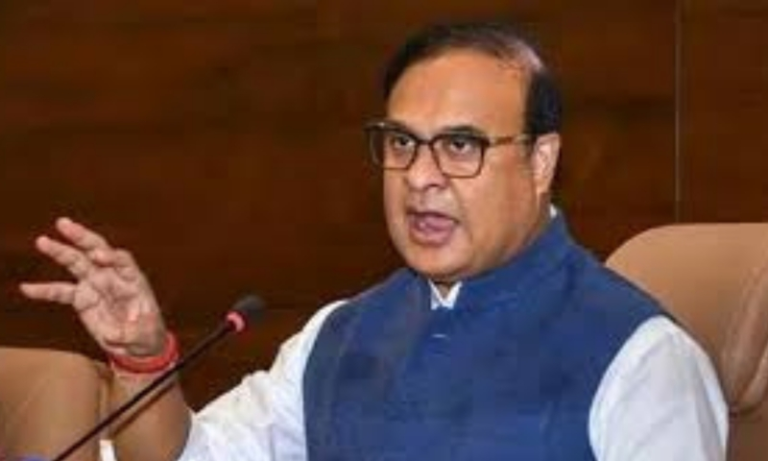
“Five people have been arrested in Assam for allegedly spreading ‘offensive and inflammatory’ content online in connection with the recent Delhi blast, Chief Minister Himanta Biswa Sarma said on Wednesday.

He said the state police would continue to act ‘swiftly and firmly against anyone misusing social media to spread hatred or glorify terror’…. ‘In connection with the recent Delhi blast, Assam Police has arrested five individuals for spreading offensive and inflammatory content online,’ the chief minister posted on X.

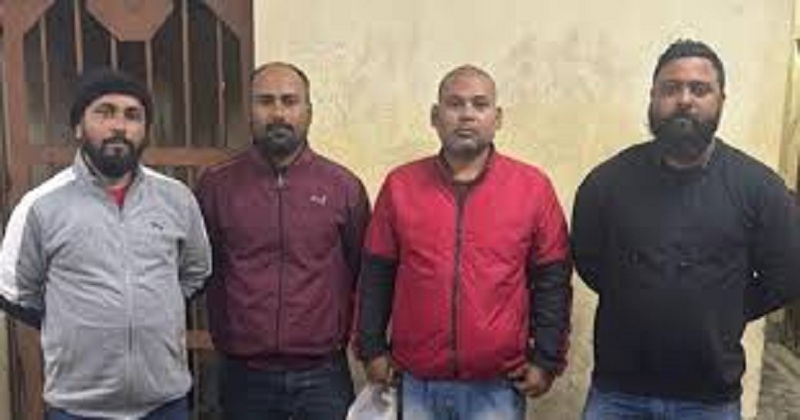
The arrested persons are Mattiur Rahman from Darrang, Hassam Ali from Goalpara, Abdul Latif from Chirang, Wajhul Kamal from Kamrup and Nur Amin Ahmed from Bongaigaon, Sarma said….

A retired school principal was detained on Tuesday in Assam’s Cachar district for allegedly posting objectionable comments on social media to ‘politicise’ the Delhi blast.

A high-intensity explosion ripped through a slow-moving car at a traffic signal near the Red Fort metro station in Delhi on Monday evening, killing 12 people and injuring several others.”​

Assam’s chief minister declines to draw analogies to Nepal and promises to protect the state’s character.

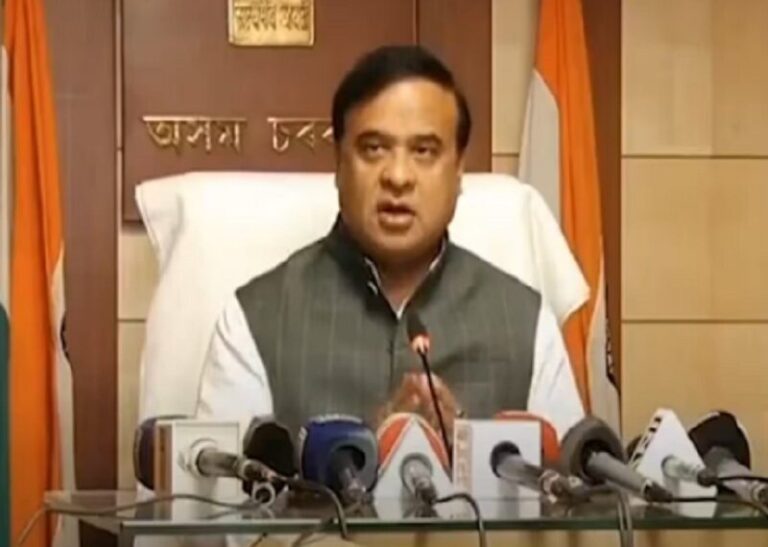
Reasserting Assam’s unique political and cultural identity, Chief Minister Himanta Biswa Sarma dismissed any comparison between Assam and Nepal, declaring that Assam’s progress is founded on stability, not upheaval. Speaking at a large appointment letter distribution ceremony on November 9, where 1.5 lakh youths secured government jobs, Sarma addressed critics drawing parallels between Assam’s political landscape and Nepal’s political instability.

“Assam is not Nepal; Assam will remain Assam,” he said, questioning if Nepal’s political revolutions resulted in job creation or infrastructure development. He emphasized Assam’s focus on governance that promotes employment, education, and development over protest-driven politics. Sarma credited state policies for enabling thousands of youths to fulfill their familial responsibilities, arguing such progress would have been impossible if Assam had taken a different political path four years ago.

He issued a firm warning: “As long as I live, I will never allow Assam to become another Nepal.” Sarma pledged to double the number of job appointments in the next phase, targeting 3 lakh opportunities. He concluded by invoking Assam’s cultural icons—Kamakhya, Srimanta Sankardeva, and Lachit Borphukan—highlighting Assam’s inspiration from its own heritage rather than foreign examples. This appointment drive is among the largest in Assam’s recent history, underlining the government’s commitment to youth empowerment and self-reliance.

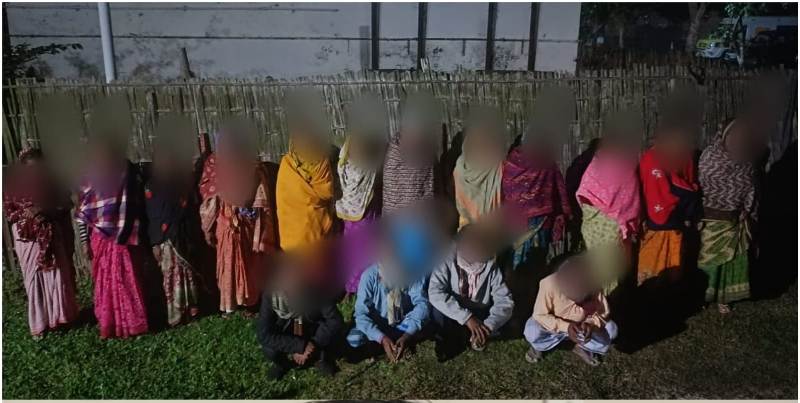
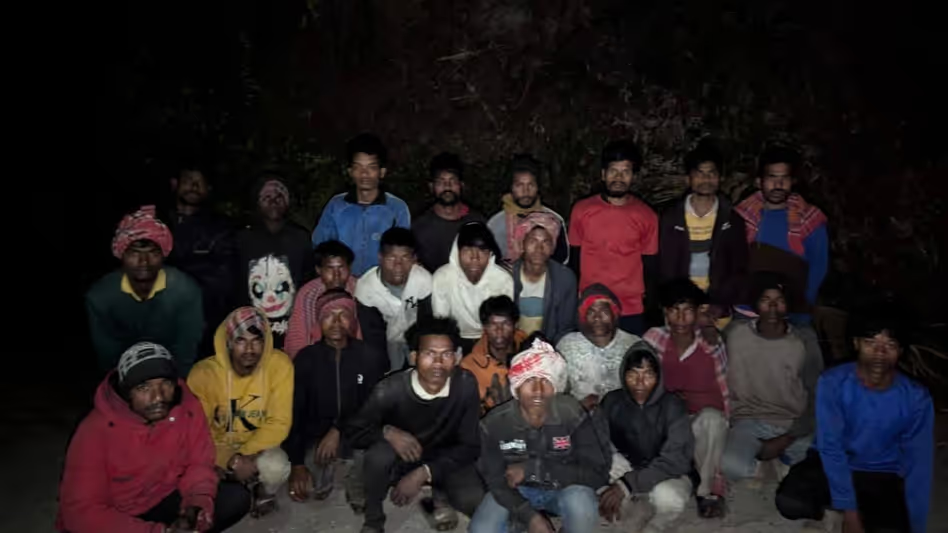
Four Lakhimpur residents are being held captive in Arunachal Pradesh for forced work in Assam.

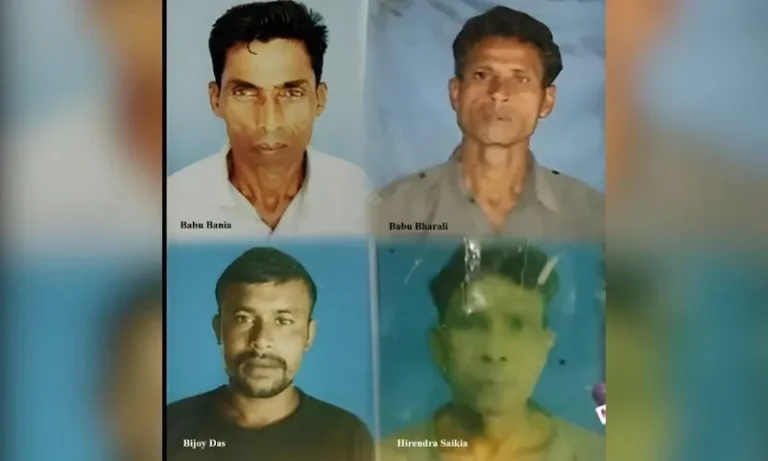
Four men from the riverine area of Lakhimpur district in Assam—Babu Bania, Babu Bharali, Hirendra Saikia, and Bijoy Das—were recruited by a contractor named Dhan Nath for masonry work in Arunachal Pradesh. Their families received an advance wage payment but lost contact with them for over a month, raising serious concerns. Allegedly, Dhan Nath sold the labourers to another contractor, Farijul Rahman, who is holding them captive in Hapoli, Lower Subansiri district of Arunachal Pradesh. One captive managed to secretly call his family, reporting that they were forced to live under a bridge and that an injured leg was left untreated. The employer has reportedly demanded Rs 25,000 ransom for their safe return. Families and local authorities are deeply anxious, with ongoing investigations and rescue efforts underway.

An increase in crimes against women is highlighted by the Titabor murder of a college girl in Assam.

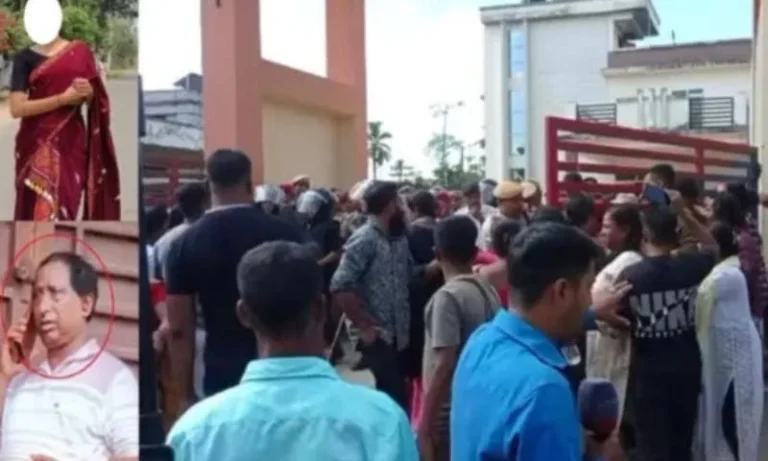
In a horrifying crime that has shaken Titabor in Assam’s Jorhat district, Jagat Singh, a 63-year-old man, has been arrested for allegedly raping, impregnating, and murdering 19-year-old college student Biplabi Das. The student, who was seven months pregnant, had gone missing on November 7, 2025, and her decomposed body was found in a septic tank behind the accused’s shop after a three-day search. Singh initially attempted self-harm in custody but later confessed to killing her to conceal the pregnancy.

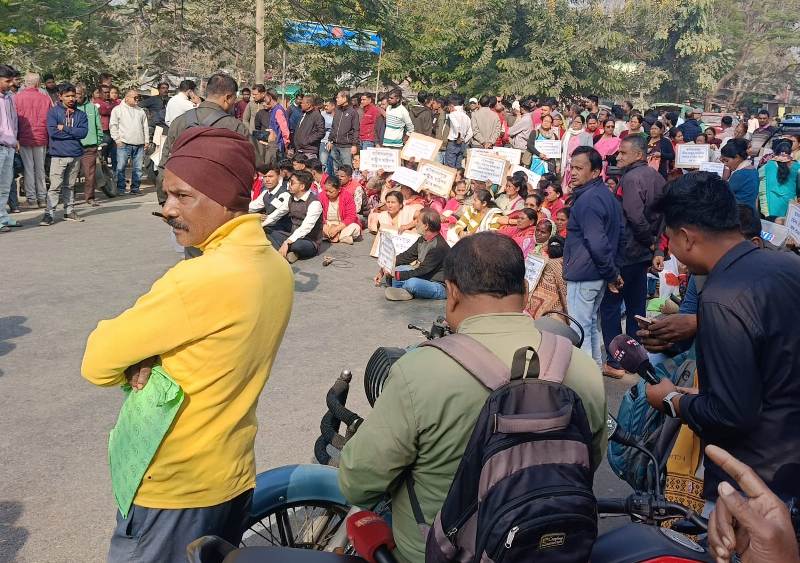
The incident has sparked massive protests locally, with residents vandalizing Singh’s shop and demanding harsh punishment. Police are investigating other accused, including Singh’s sons and a pharmacist who allegedly helped him seek an abortion for the victim. The Officer-in-Charge of Titabor Police Station has been placed under departmental inquiry due to alleged negligence.

This brutal case highlights the persistent and growing threat of crimes against women in Assam, exposing failures in police response and stirring community outrage that justice must go beyond punishment to ensure women’s safety and respect in society.

By February 2026, Assam will grant handgun licenses to indigenous people living in vulnerable areas: Chief Minister Sharma

“Assam Chief Minister Himanta Biswa Sarma on Sunday said that the state government will issue the first batch of firearm licences to indigenous people living in ‘vulnerable and remote’ areas in February 2026. The decision gains significance as the state will go to assembly polls soon after the issuance of the first batch of firearm licences. Addressing a press conference after a cabinet meeting, Sarma said the authorities have received ‘a lot’ of applications from the indigenous people and are currently scrutinising them. ‘We have received a lot of applications for firearm licences. We are scrutinising the applications currently,’ he added. The government will give the licences very selectively and not all the people wanting to have a firearm will be permitted, Sarma said. ‘The first batch of licences under this scheme will be given in February,’ he added. The Assam cabinet on May 28 had decided that the government would give firearm licences to indigenous people living in ‘vulnerable and remote’ areas for instilling a sense of security in them.”​