The first firm from the Northeast to list on the BSE is OPEL from Tripura.

Oval Projects Engineering Limited (OPEL), based in Agartala, Tripura, became the first company from Northeast India to be listed on the Bombay Stock Exchange (BSE) on September 4, 2025, more than fifty years after Tripura’s merger with the Indian Union. Founded in 2013, OPEL operates across seven states in the oil and gas and infrastructure sectors, delivering major projects including ONGC’s gas gathering station and facilitating NEEPCo’s 106 MW power plant. The company’s ₹46.74 crore IPO, with shares priced between ₹80 and ₹85, marked a historic milestone, also making OPEL the first Northeast company to attract $2 million in foreign direct investment. Chairman Gautam Debnath stated that the listing strengthens OPEL’s financial standing and improves access to public funding, while highlighting government subsidies and the need for policies supporting green industries and IT to leverage Tripura’s vast green cover for carbon market initiatives


Sikkim is on high alert following possible efforts to kidnap children.

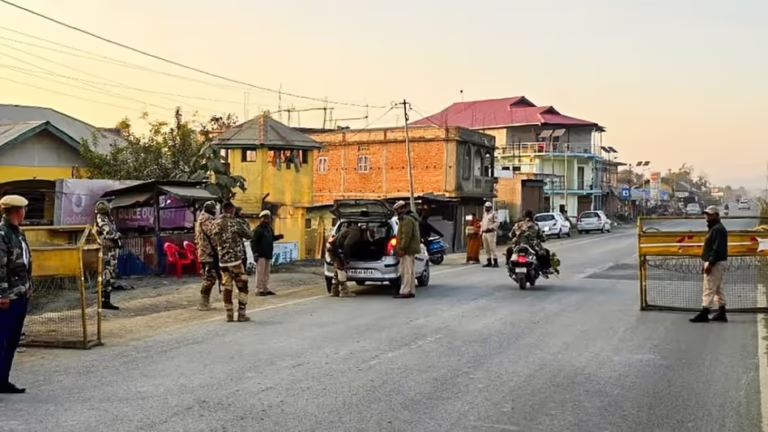
Sikkim Police have intensified security across the state amid reports of suspected child abduction attempts and fears of extremist activity. Although no terrorist presence or confirmed abductions have been established, checkpoints at Rangpo, Melli, and other entry points are under stricter watch. The alert follows an incident near Singyep School in Soreng district where a student evaded an alleged abduction attempt by fleeing from an unknown car occupant. Similar unverified reports have surfaced in neighboring villages, prompting authorities to treat them as potential threats. Residents have been urged to remain vigilant, while police have assured extra measures are in place to safeguard children and maintain law and order.

Days after being allegedly killed by an armed group, the body of a Thadou leader was found in an Assam river.

The body of Thadou community leader Nehkam Jomhao (59) was recovered from a river in Assam’s Karbi Anglong district five days after his abduction and killing on August 30. Jomhao, known for initiating peace efforts with Meitei groups, was allegedly targeted by members of an armed faction opposed to his reconciliation moves. Police have arrested six suspects, some linked to the Kuki Revolutionary Army (Assam), which operates under a ceasefire agreement. The incident has sent shockwaves through the Thadou community, which has long asserted a distinct ethnic identity separate from the broader Kuki grouping, and is feared to further strain inter-community relations in the backdrop of the ongoing Kuki–Meitei conflict in Manipur.

In New Delhi, the Kuki-Zo Council reopens NH-02 and signs a tripartite SoO agreement.

In a significant breakthrough for Manipur, the Kuki-Zo Council (KZC) has agreed to reopen National Highway-02, restoring free movement of people and essential goods along the state’s lifeline route. The decision followed deliberations with the Ministry of Home Affairs (MHA), coinciding with the signing of a re-negotiated tripartite Suspension of Operations (SoO) Agreement between the MHA, the Manipur Government, and Kuki groups KNO and UPF.

The revised one-year SoO terms reaffirm Manipur’s territorial integrity, commit to relocating and reducing armed camps, moving weapons to CRPF/BSF camps, and verifying cadres to exclude foreign nationals. A Joint Monitoring Group will ensure compliance, with violations liable to review of the pact. The reopening of NH-02 is expected to ease supply shortages and bolster peace efforts across the state.

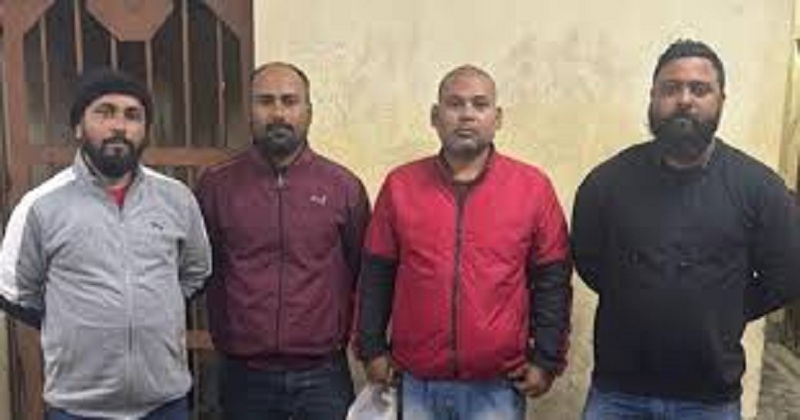
In Arunachal Pradesh, a Rs 1.09 crore GST scam was discovered, and two people were detained.

Police in Naharlagun have busted a GST scam worth ₹1.09 crore, arresting two individuals accused of running a fake invoice racket. The case came to light after businessman Taju Parang lodged a complaint that high-value invoices had been fraudulently routed through his firm without consent. Investigations revealed that the accused misused Parang’s GST credentials to generate bogus invoices in collusion with two Assam-based companies, which have since had their licenses suspended. The duo had already siphoned off nearly ₹22 lakh before police intervened. SP Nyelam Nega cautioned businesses to remain vigilant and always demand authentic e-GST invoices in high-value transactions.

According to NIRF 2025, Gawahati University rises to ninth place among state universities.

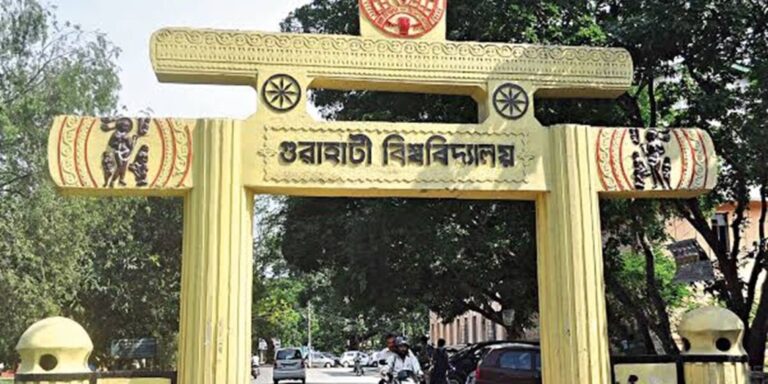
Gauhati University has achieved a major milestone in the NIRF 2025 rankings, securing the 9th spot among state public universities, a four-rank rise from last year. It also stood 33rd among universities and 52nd among all higher education institutions across India. Assam Education Minister Ranoj Pegu hailed the achievement as a moment of pride, while Vice Chancellor Prof. Nani Gopal Mahanta credited the collective efforts of faculty, students, and staff. The recognition comes shortly after GU’s inclusion in the Times Higher Education Asia Rankings 2025, where it was placed in the 351–400 global bracket and 48th in India.

“Illegal migration” and the use of indigenous people as weapons.

The debate on “illegal migration” in Assam must be understood against a long history of cross-border movements, colonial settlement policies, and post-Independence anxieties crystallised during the Assam Agitation and the 1985 Assam Accord. While citizenship verification exercises like the NRC sought legal clarity, they also deepened precarity. Today, these tensions have taken a troubling turn with Assam’s new policy of distributing arms licences to “indigenous” communities in border and Muslim-majority districts.

Critics warn that this move echoes the unconstitutional Salwa Judum experiment in Chhattisgarh, which the Supreme Court struck down in Nandini Sundar v. State of Chhattisgarh (2011) for outsourcing policing to civilians. By privileging contested notions of “indigenous,” the Assam policy risks entrenching exclusion, militarising identity, and displacing the State’s constitutional duty to ensure law and order. Historical lessons and past conflicts—such as the 2012 Bodo–Muslim clashes—show that arming civilians under communal lines only sharpens divisions and fuels cycles of violence.

At stake, therefore, is not just the question of migration, but whether the State safeguards vulnerable citizens through accountable institutions or shifts responsibility onto fractured communities. As legal, humanitarian and historical perspectives all underline, Assam’s challenges demand dialogue, equitable governance and professional policing—not the normalisation of armed identities.