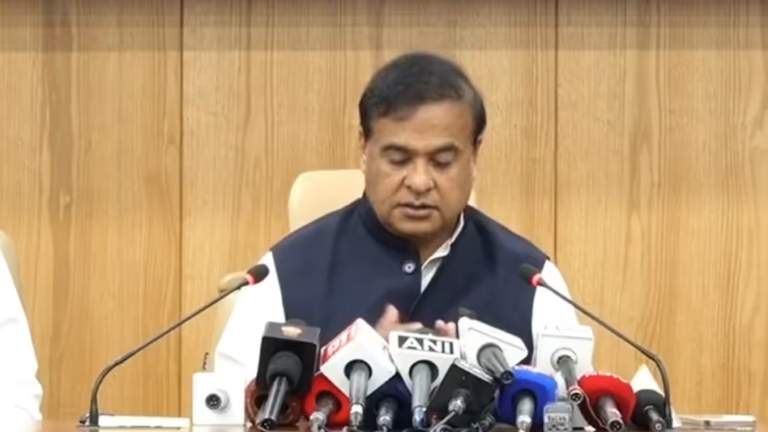
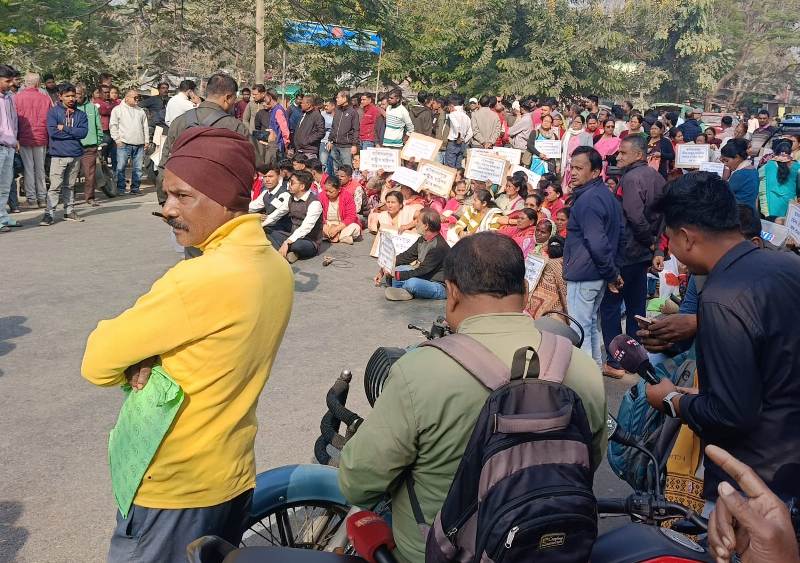
Tezpur University has assured its students that the demands raised in their recent memorandum will be duly considered for administrative action. Clarifying the present statutory framework, the administration stated that the students’ representative body exists as the Tezpur University Students’ Council (TUSC) under the Tezpur University Act, 1993. However, acceding to the students’ request for renaming it as the Tezpur University Students’ Union, the University announced that it will initiate the requisite process for amendment of the Act through Parliament, after placing the matter before the Academic Council and the Board of Management.
In recognition of cultural sentiments, the University declared that it will honor the legacy of late Assamese music icon Zubeen Garg by installing a statue on campus, considering a posthumous Honorary Doctorate, and instituting a scholarship in his name under the Department of Cultural Studies. Vice Chancellor Prof. Shambhu Nath Singh underlined that the institution remains committed to student welfare and the preservation of Assam’s cultural identity. The announcements, made on September 22, 2025 after floral tributes to Zubeen Garg, were followed by an interaction with students, faculty, and officials at the Administrative Building.