“Whereas it has come to my notice that certain activities in the vicinity of Raj Bhavan, Guwahati, pose potential threats to the safety, security and sanctity of this high-security zone; and whereas the Raj Bhavan, being the official residence of the Hon’ble Governor of Assam, requires heightened security and a tranquil environment for the smooth functioning of essential government duties;
Now, therefore, I, Amitabh Basumatary, IPS, Deputy Commissioner of Police (Central), Guwahati, in exercise of powers conferred upon me under Section 163 of the Bharatiya Nagarik Suraksha Sanhita, 2023, hereby prohibit within a radius of five kilometres of Raj Bhavan, Guwahati—
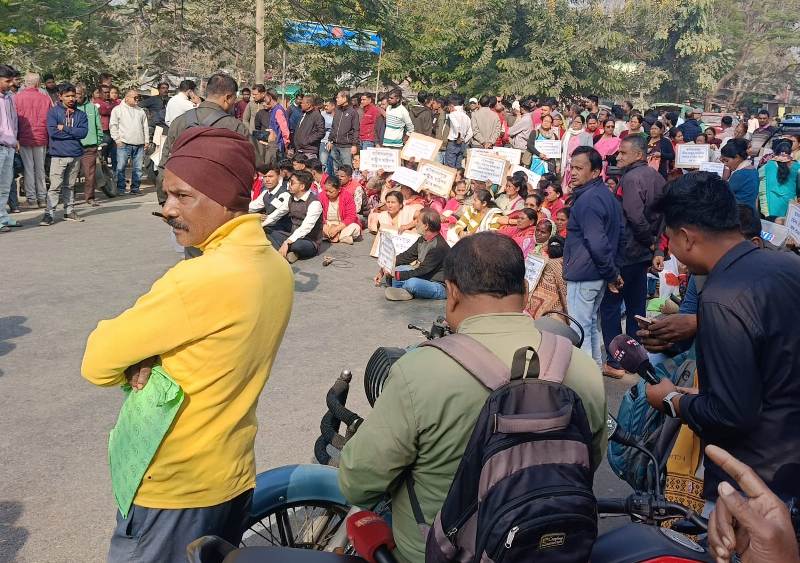
(i) Assembly of five or more persons, public gatherings, protests, rallies and demonstrations;
(ii) Use of loudspeakers, fireworks, crackers or any other noise-producing instruments;
(iii) Unauthorized movement of vehicles or individuals without prior approval; and
(iv) Any construction or disruptive activity which may impede security arrangements or cause disturbance.
This order shall remain in force for a period of two months from the date of its issuance. Any person contravening this order shall be liable for punishment under the provisions of the Bharatiya Nagarik Suraksha Sanhita. Any person aggrieved by this order may file a written objection before the undersigned for its cancellation or modification.”