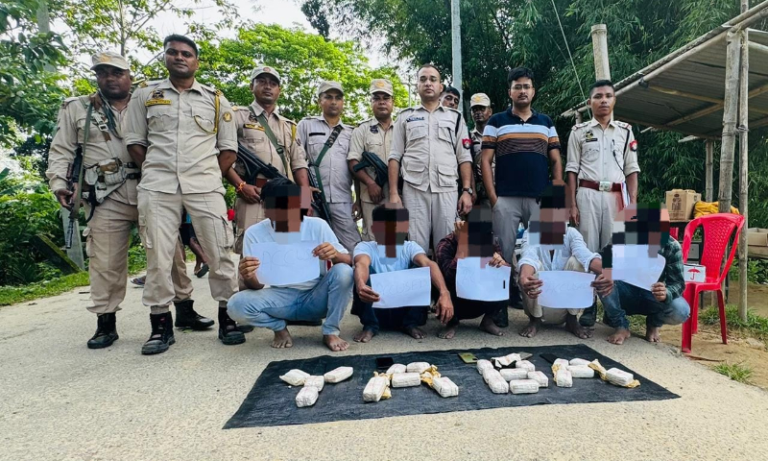
5 people are detained in Sribhumi, 44,000 yaba pills are confiscated in Assam.

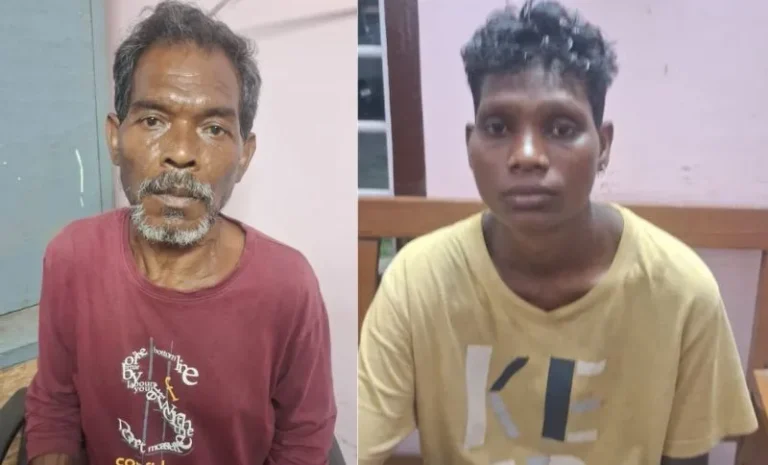
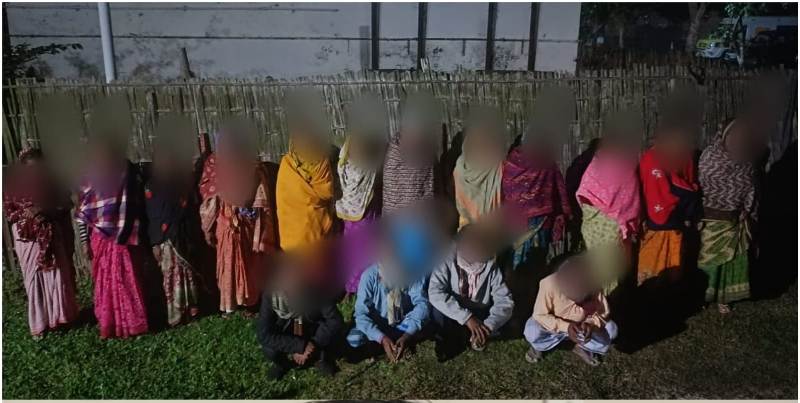
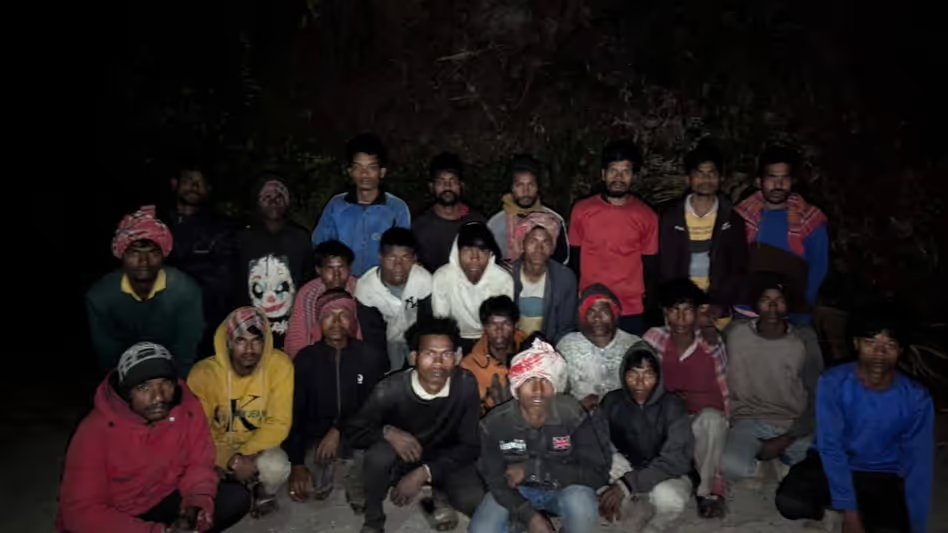
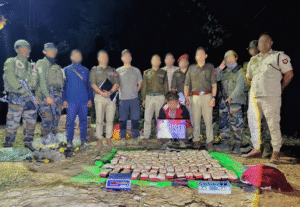
Assam Police have arrested five individuals and seized 44,000 Yaba tablets worth approximately Rs 6.5 crore during an intelligence-based operation in the Veterbond area of Sribhumi district. The crackdown, praised by Chief Minister Himanta Biswa Sarma, highlights the ongoing efforts of Assam Police to combat drug trafficking in the state. This latest seizure follows a previous major operation in Cachar district, where drugs valued at Rs 45 crore were confiscated and four suspects apprehended, underscoring Assam’s commitment to tackling the narcotics menace.
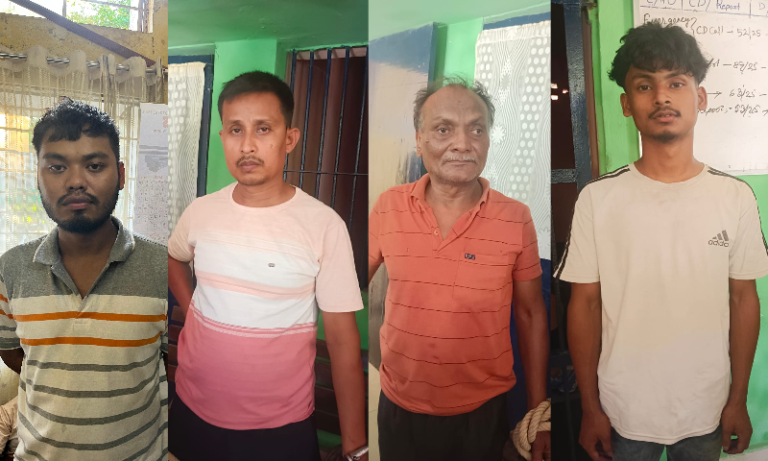
Five people are detained after Digboi police solve a complicated robbery case in Assam.

The Assam Police team from Digboi cracked a major burglary case (Case No. 89 u/s 331(4) and 305(A)) involving a network of robbers who looted gold ornaments worth several lakhs from an unmanned residence near Tingrai Railway Station, Tinsukia district. The investigation, led by SDPO Margherita and Inspector Dibya Jyoti Dutta, resulted in the arrest of five individuals, including a goldsmith linked to the stolen goods. Police recovered significant gold items and traced the crime to a meticulously planned heist executed on May 26, 2025, while the homeowners were away. The breakthrough was achieved within a week, thanks to technical support and coordinated efforts, earning praise for the Digboi police’s swift and effective action.

Horrible decapitation in Cachar, Assam: A man in Ramprasadpur uses a machete to murder his wife

A brutal and shocking murder has shaken the waterlogged village of Ramprasadpur in Cachar district. Reports confirm that Ratan Kol, in a fit of rage during a domestic dispute, beheaded his wife Meena Kol with a machete. Neighbors, too horrified to intervene, alerted the authorities, who swiftly arrested the accused. The victim’s body was sent for post-mortem as investigations continue, while the community remains deeply unsettled by the gruesome crime.

The body of a missing Dima Hasao woman of Assam was discovered close to an Uttarakhand river.

The body of Rosmita Hojai, a 26-year-old from Assam’s Dima Hasao district, was discovered on the bank of a river in Uttarakhand’s Pauri Garhwal district after she went missing on June 5, 2025. Rosmita had traveled to Delhi for a railway recruitment exam and was last heard from when she called her mother, expressing plans to return by train—a statement her family found highly unusual. Authorities have detained two individuals for questioning and are investigating the circumstances surrounding her death. Her family voiced deep concern, suspecting foul play in her final communication and disappearance. Police are continuing their probe as her body undergoes autopsy.

Solar fence helps Jorhat communities affected by HEC

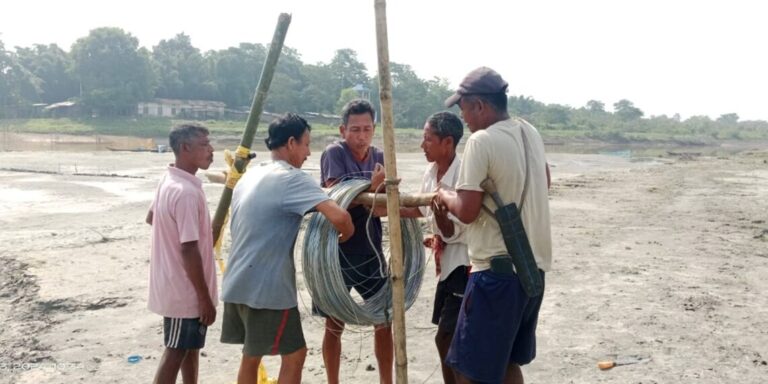
In a major effort to reduce human-elephant conflict in Assam’s Jorhat district, biodiversity conservation organisation Aaranyak has installed over 30 km of solar-powered fencing across eight vulnerable villages, directly securing 1,047 households and benefiting more than 5,000 villagers. The initiative, implemented in partnership with the British Asian Trust and Elephant Family, and supported by the Darwin Initiative, has led to a marked decline in crop raids by wild elephants, providing relief to communities long affected by recurring losses. Farmers report feeling much safer and more secure since the installation, highlighting the project’s success in promoting coexistence through community involvement and sustainable deterrents.

Two people are detained for unlawful egret hunting in Dibrugarh in Assam.

The Dibrugarh Forest Department in Assam arrested two individuals on Tuesday for illegally hunting egret birds, a protected species under the Indian Wildlife (Protection) Act, 1972. The arrests followed viral social media videos of the incident, prompting swift action by authorities. According to officials, the hunted egrets are listed under Schedule IV—and in some cases Schedule II—of the Wildlife Act, making hunting a non-bailable offense. Legal proceedings are underway, with authorities stressing the need for greater public awareness and strict enforcement to protect vulnerable wildlife.

Sonam Raghuvanshi, the accused in the Indore honeymoon murder, is scheduled to arrive in Guwahati today for a seven-day transit detention stay in Meghalaya.

Sonam Raghuvanshi, a 24-year-old woman from Indore, has been arrested for allegedly orchestrating the murder of her husband, Raja Raghuvanshi, during their honeymoon in Meghalaya. The crime, reportedly planned with her lover Raj Kushwah and executed with the help of hired accomplices, came to light after Raja’s body was discovered in a gorge near the Weisawdong waterfalls on June 2. Sonam, who had gone missing after the incident, was apprehended in Ghazipur, Uttar Pradesh, and is being transported to Shillong for further investigation. Police have arrested five people in connection with the case, uncovering digital payment trails and evidence suggesting a premeditated plot. The case has shocked both the families and the local community, as the investigation continues across multiple states.

Kamakhya Temple in Assam gets ready for the Ambubachi Mela, which starts on June 22.

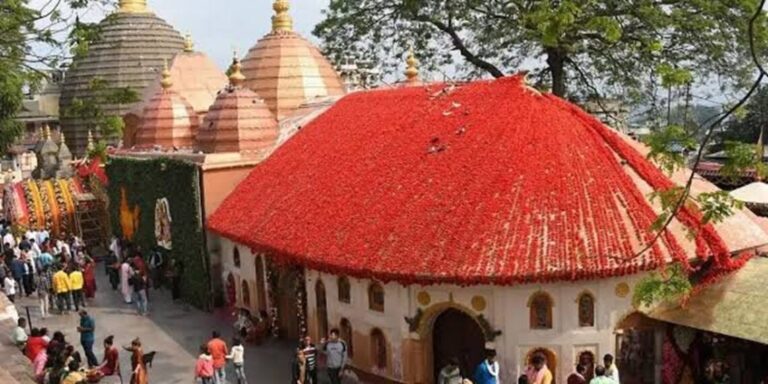
The Assam government is making extensive preparations to welcome lakhs of devotees to the revered Kamakhya Temple for the Ambubachi Mela, scheduled from June 22 to 26, 2025. Chief Minister Himanta Biswa Sarma announced that 24 departments are coordinating efforts to ensure a smooth and secure experience during one of the state’s most significant spiritual gatherings. The temple doors will close on June 22 to mark the annual menstrual cycle of Goddess Kamakhya, a sacred observance celebrating feminine energy and fertility. Accommodation for around 20,000 devotees, robust medical facilities, enhanced ferry services, and strict crowd control measures—including a ban on VIP visits—are being put in place. Recognized as one of Northeast India’s largest religious congregations, the Ambubachi Mela draws devotees, tourists, and spiritual seekers from across the country, with the entire temple complex becoming a focal point of devotion and ritual during this period.