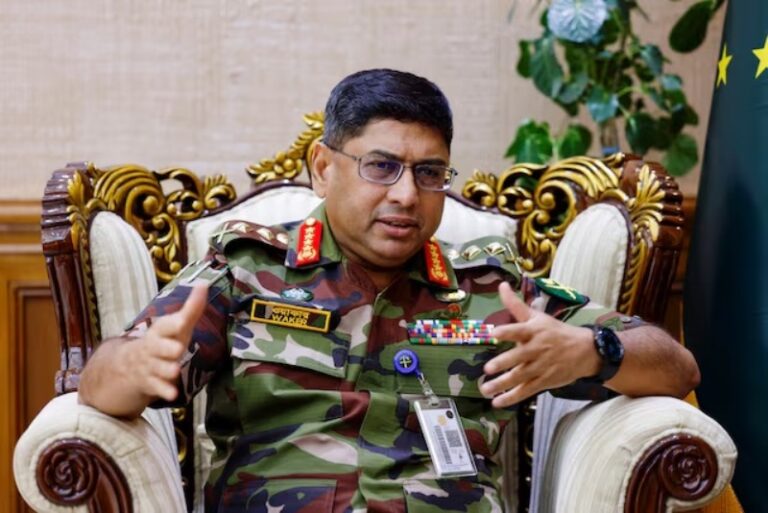
No bloodied hallway, Gen. Waker-uz-Zaman, the head of the Bangladesh Army, warns the Yunus-led interim government.

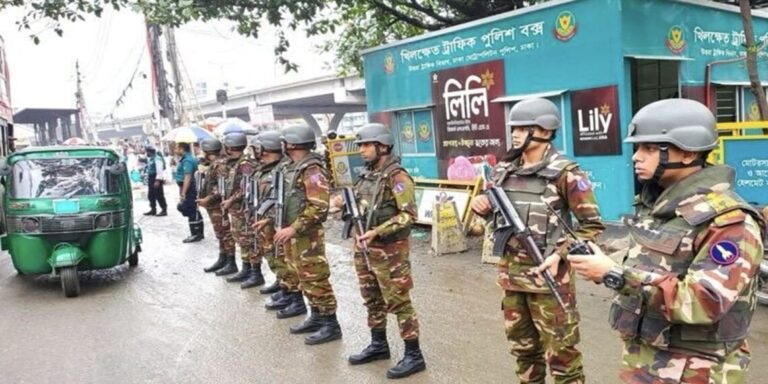
Bangladesh Army Chief General Waker-uz-Zaman firmly rejected the proposal for a humanitarian corridor on the Bangladesh-Myanmar border, citing sovereignty concerns. Addressing officers in Dhaka, he criticized the Mohammad Yunus-led interim government for keeping the armed forces uninformed on key decisions.
National Security Adviser Khalilur Rahman denied discussing the corridor, despite previous statements linking it to Rohingya repatriation and aid to Myanmar’s Rakhine State. Gen Zaman also stressed that elections must be held by December, and warned against mob violence and lawlessness.
The officer corps largely backed Gen Zaman, signaling strong military opposition to the interim government’s handling of the issue.

Supporters of the Awami League gather at the UN to call for lifting Bangladesh’s party prohibition.

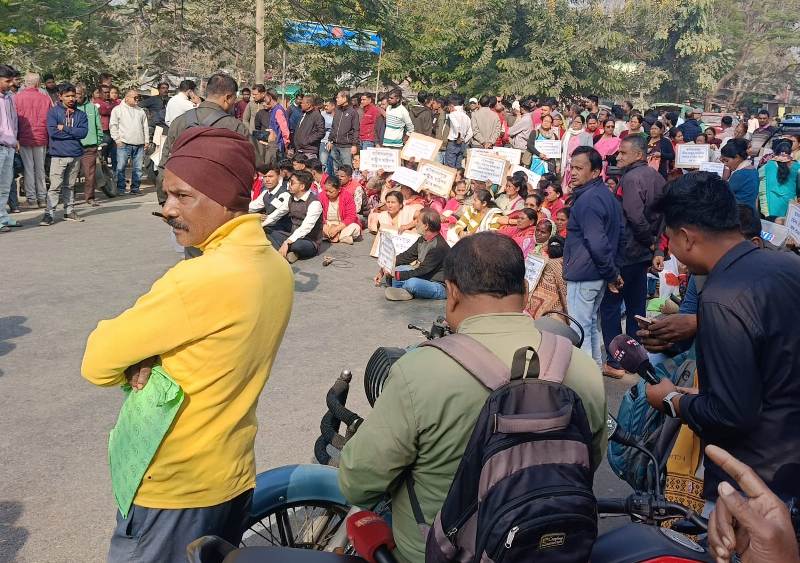
Bangladeshi expatriates gathered outside the United Nations headquarters to protest the recent ban on the Awami League, urging international intervention to restore democratic governance in Bangladesh. Led by the USA chapter of the Awami League, the demonstration condemned the interim government of Nobel laureate Muhammad Yunus, alleging authoritarian rule and suppression of political opposition. Protesters argued that the ban was unjustified and called on the UN and U.S. government to pressure Bangladeshi authorities to reinstate the Awami League and allow free elections. The Bangladesh Election Commission’s suspension of the party’s registration has intensified concerns over political freedom in the country.

It is a grave error to ban the Awami League.

The banning of the Awami League in Bangladesh poses a severe threat to the country’s democratic framework and regional stability. As a party instrumental in the nation’s liberation and economic progress, its removal would dismantle multiparty democracy, trigger unrest, and disrupt Bangladesh’s crucial relationship with India. The move risks unsettling investor confidence, bolstering anti-India forces, and weakening regional cooperation. In a volatile geopolitical landscape, dialogue—not suppression—must guide Bangladesh’s political future.”