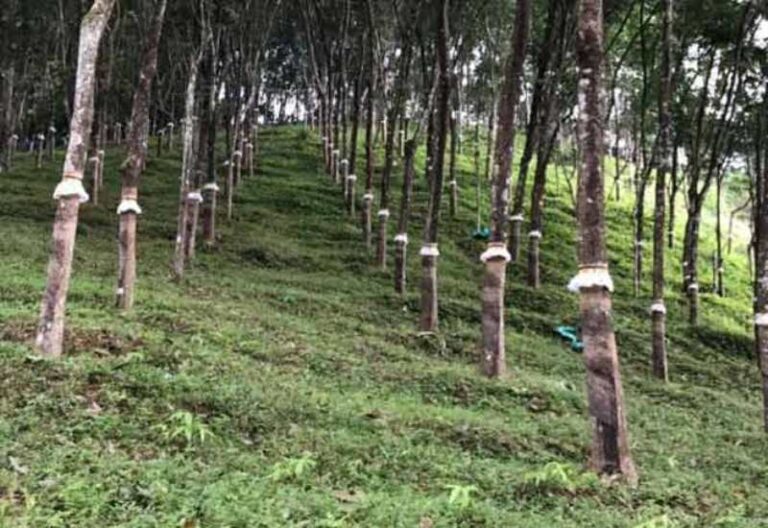
Logistics constraints hamper growth of rubber-based industries in Tripura: Official

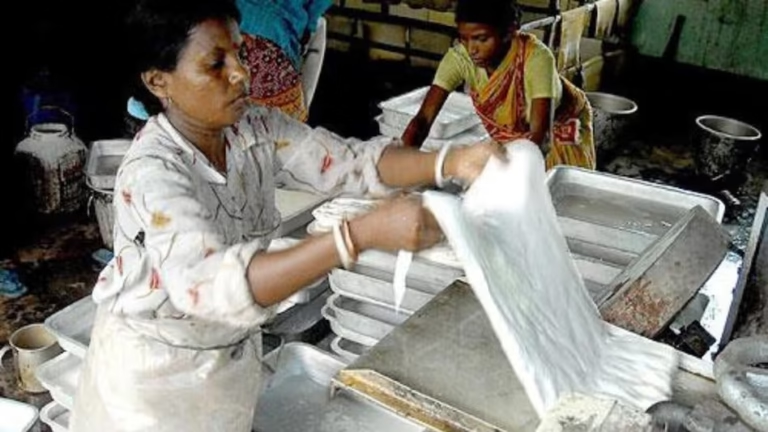
Tripura is India’s second-largest natural rubber producer, with an annual production of over 70,000 tonnes and expansive plantations covering more than 85,000 hectares. Despite abundant raw material supply, logistics constraints—such as high transportation costs and inadequate infrastructure—limit the growth of rubber-based industries in the state. Currently, only one rubber thread production unit operates in Bodhjungnagar Industrial Area.

The state government is actively working to attract investments by improving connectivity, offering incentives, and partnering with entities like the Tripura Industrial Development Corporation (TIDC) and Rubber Board. Key upcoming projects, including the Agartala-Akhaura railway link and enhanced access to Chittagong Port in Bangladesh, are expected to reduce logistics costs and boost export potential. Once these transport links become fully operational, Tripura could emerge as a major hub for rubber-based industries in Northeast India.

Most of Tripura’s rubber is exported outside the state for value addition due to limited local processing facilities, though initiatives like setting up smoke houses aim to enhance local processing quality and economic benefits for growers. The industry supports thousands of small growers, making it vital to the region’s economy. Addressing logistics and infrastructure challenges remains critical to fully unlocking Tripura’s industrial potential in natural rubber.​

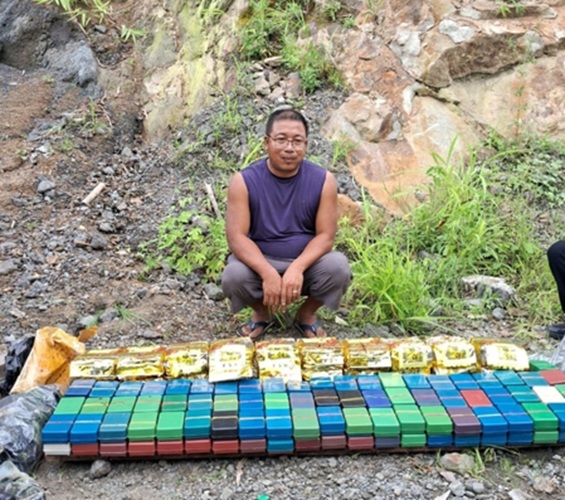
Mizoram discovered drugs valued at Rs 45 crore; four people were detained, including two from Myanmar.

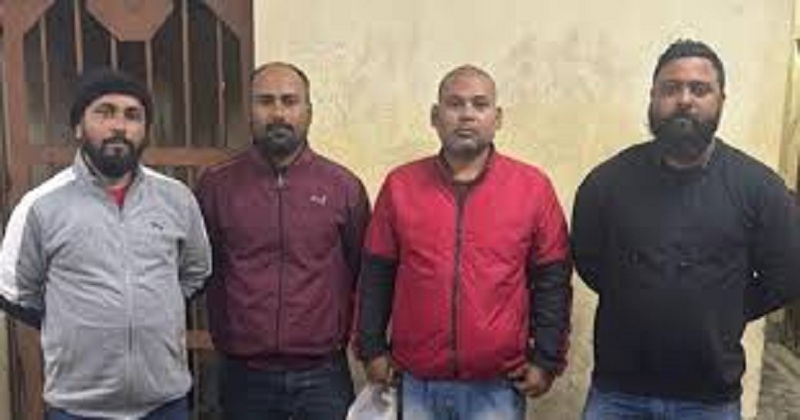
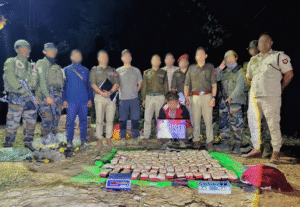
“In a major operation by the Mizoram Excise and Narcotics Department, over 15 kg of methamphetamine tablets worth more than Rs. 45 crore were seized, and four persons were arrested, including two Myanmar nationals. The bust included two operations in Champhai district, a key transit point near the India-Myanmar border. Authorities intercepted traffickers and recovered 10.1 kg of methamphetamine tablets from two Myanmar nationals and an additional 5.11 kg from two Indian nationals from Assam and Tripura. The vehicle used for smuggling, registered in Assam, was also seized. The accused have been booked under the Narcotic Drugs and Psychotropic Substances (NDPS) Act, 1985. Champhai and neighboring districts have emerged as critical corridors for the illicit trade of synthetic drugs, which are banned in India due to their high addictive potential. Mizoram shares a 1,643-km unfenced border with Myanmar, making it vulnerable to such trafficking networks.”

This operation is part of an intensified crackdown on drug smuggling through Mizoram, reflecting the state’s strategic location near the Golden Triangle drug trade route and its role as a major transit corridor for narcotics from Myanmar to other Indian states.​

IIM Calcutta Innovation Park and Assam collaborate to support Northeastern startups.

The IIM Calcutta Innovation Park (IIMCIP) has signed a Memorandum of Understanding with the Assam Innovation and Startup Foundation (AISF) to accelerate entrepreneurship and startup development in Assam and the broader Northeast. The agreement was signed by Jeevan Basavaraj, Secretary of Assam’s Department of Innovation, Incubation and Startups (DIIS), and Ajay Jain, Chairman of IIMCIP, in the presence of senior officials from both organizations.

Under this collaboration, IIMCIP will share its expertise in mentoring, funding, and ecosystem development to strengthen AISF’s mission of nurturing a vibrant startup culture in the state. The initiative supports the Assam Startup Policy 2025, which aims to position Assam as an innovation-driven hub promoting job creation and inclusive growth.

IIMCIP, a not-for-profit body under IIM Calcutta, has already mentored over 2,000 startups and provided seed funding to more than 130 ventures, collectively helping them raise about Rs. 2,000 crore in funding with a combined valuation of Rs. 8,000 crore.

AISF, operating under the Assam government’s DIIS, functions as a key platform for incubation, market access, and investor engagement. Together, the two institutions aim to introduce structured mentorship programs, enhance startup capacity-building, promote women-led enterprises, and create greater opportunities for innovators across the Northeast.

Two are detained by Assam police in Sribhumi, and they confiscate a pistol and counterfeit money.

Assam Police arrested two men, Abidur Rahman (28) and Anowar Hussain (29), from Ratabari in Sribhumi district on Saturday after a raid in the Jalalabad market area. Authorities recovered a country-made 9mm pistol, one live round of ammunition, and counterfeit currency worth Rs 48,000 concealed under the suspects’ motorcycle seat. Preliminary investigations indicate these individuals may be part of a network dealing in fake currency and illegal arms across border regions. Police are interrogating the suspects to trace the larger racket and identify other involved persons.

“Sweet Revolution”: India rises to become the second-largest honey exporter in the world.

India has risen to become the world’s second-largest exporter of natural honey, with shipments reaching 1.07 lakh metric tonnes valued at $177.55 million in 2023–24, a leap from ninth place in 2020. This success stems from the National Beekeeping and Honey Mission (NBHM) under the Atmanirbhar Bharat initiative, which promotes scientific beekeeping and quality honey production while generating rural livelihoods. The NBHM, implemented via the National Bee Board, started with a Rs. 500 crore budget for three years and extended to 2025–26 with Rs. 370 crore remaining. The Madhukranti portal facilitates online registration and traceability of bee products, boosting transparency and export quality standards. India’s varied agro-climatic regions provide ideal conditions for honey production, which supports agricultural sustainability through pollination and provides additional products like beeswax, royal jelly, and bee venom. The NBHM emphasizes improving crop productivity, post-harvest management, and technology research tailored to different regions, propelling India’s emergence as a major global honey market player and symbolizing rural economic empowerment and growing self-reliance.

The United States is the largest market for Indian honey, accounting for about 78% of exports, followed by the UAE, Saudi Arabia, and other nations. Recent changes in US tariffs pose challenges, but new markets like Thailand and South Korea show promise for future growth.

Blood-stained history obliterated by politics: The conflict over Bhasha Shahid Station.

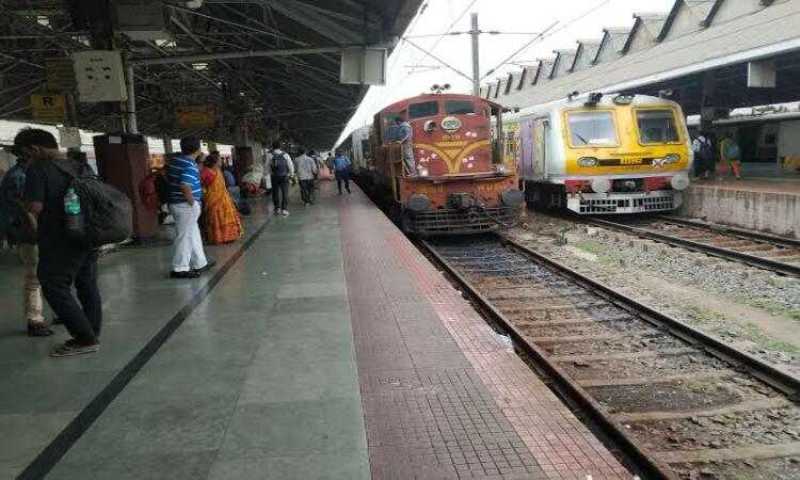
The demand to rename Silchar Railway Station as “Bhasha Shahid Station” (Language Martyrs’ Station) to honor the eleven martyrs of the 1961 Bengali language movement in Barak Valley has long been stalled due to reluctance by the Assam state government. Despite approvals from the Union Home Ministry and Railway Ministry and public support—including from the Asam Sahitya Sabha— the renaming process remains blocked at the state level.

The state government’s refusal to issue a formal no-objection certificate (NOC) and failure to respond to a 2015 central letter confirming spelling have drawn criticism and suspicion about political motives. The movement to rename symbolizes justice and linguistic rights, commemorating unarmed civilians who died defending linguistic identity under Article 29 of the Constitution.

Controversy intensified with some remarks by “Dimasa Writers’ Forum” leadership seeming to downplay the 1961 activists as “Bangladeshis,” which the Dimasa Sahitya Parishad disavowed, emphasizing the diverse participation in the movement—including Bengalis, Manipuris, Dimasas, and tea garden communities. Activists assert renaming is not about linguistic dominance but recognizing sacrifice for democratic and cultural rights.

Calls from cultural bodies and public organizations for official recognition and timely renaming have been mounting, but the state government continues to delay, a stance criticized for ignoring Barak Valley’s emotional and historical sentiments. The neglect includes disparaging comments by government ministers labeling martyrs as “miscreants,” further alienating local communities.

The renaming is seen not only as a tribute but a crucial step to uphold the democratic spirit of India’s linguistic diversity and honor a peaceful, inclusive movement that transcends political and communal divides.

This summary reflects widespread public sentiment, administrative hurdles, and cultural-political dynamics surrounding the longstanding call to rename Silchar Railway Station after the language martyrs of 1961.​

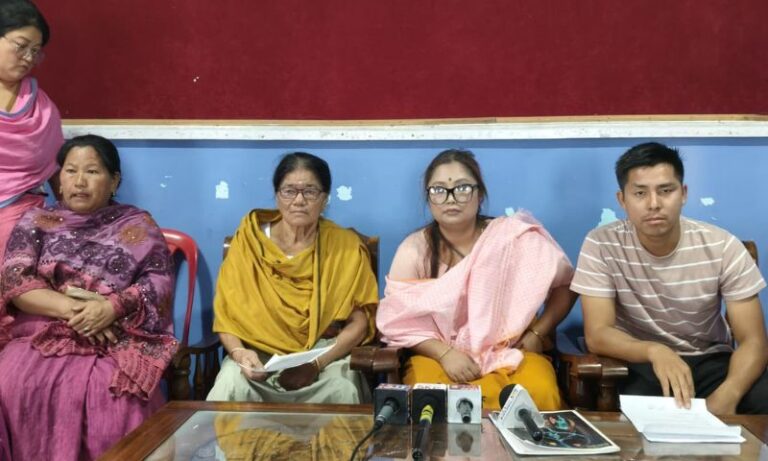
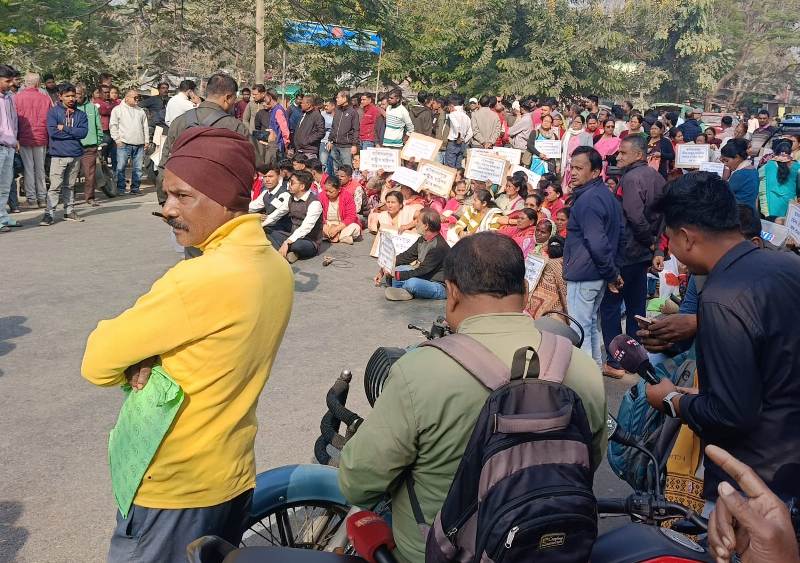
Manipur IDPs want temporary refuge from the government after being evicted from their Langol quarters.

Tension has escalated among around 200 displaced families residing at Langol Game Village Government Quarters in Imphal, Manipur, following an eviction order by the district administration. These families, who fled their homes during the ethnic violence of May 2023, have been living in temporary shelter for nearly two years amid ongoing insecurity and lack of alternative housing. They allege government neglect regarding permanent rehabilitation, security guarantees, and safe return plans. Despite appeals and petitions to the Deputy Commissioner and the Director General of Police, no official response or assurance has been received. The IDPs urge the government to withdraw or suspend eviction orders and adopt a compassionate approach until peace is restored. Over 60,000 people remain displaced across Manipur, many housed in relief camps and temporary shelters, with ongoing demands for security, compensation, and safe passage back to their homes.​

Officials say that logistics difficulties prevent Tripura’s rubber-based economy from growing.

Northeast India has witnessed remarkable infrastructure growth over recent years, transforming from a historically isolated region into a vital part of India’s national connectivity and economic integration. Under flagship policies like the Act East Policy and schemes such as the North East Special Infrastructure Development Scheme (NESIDS) and PM-DevINE, extensive road, rail, air, and digital infrastructure projects have been implemented or are underway. Nearly 16,207 km of National Highways have been constructed, linking state capitals, border areas, and regional markets more effectively. Rail connectivity has expanded with new lines in Arunachal Pradesh, Mizoram, Manipur, and Nagaland, boosting passenger and freight movement. Air connectivity has grown through the addition of greenfield airports. These efforts aim to enhance mobility, access to markets, and overall quality of life, while facilitating India’s strategic and economic outreach in the region.

The important tri-service exercise “Poorvi Prachand Prahar” will be conducted by India in Mechuka, Arunachal.

India will soon conduct the large-scale tri-service exercise ‘Poorvi Prachand Prahar’ in Mechuka, Arunachal Pradesh, to strengthen integrated warfighting capabilities among the Army, Navy, and Air Force. Defence PRO Lt. Col. Mahendra Rawat stated the month-long exercise will validate multi-domain operations across land, air, and maritime theatres, refine interoperability, and test command-and-control structures for joint missions. A major highlight will be the coordinated deployment of special forces, unmanned platforms, precision weapon systems, and networked operations centres under realistic high-altitude conditions. Revised tactics, techniques, and procedures (TTPs) will be tested to sharpen combat agility and adaptability in challenging operational environments, marking the next step in India’s tri-service integration efforts after ‘Bhala Prahar’ in 2023 and ‘Poorvi Prahar’ in 2024. The exercise reaffirms the armed forces’ commitment to maintaining mission readiness and joint operational effectiveness in national defence.​

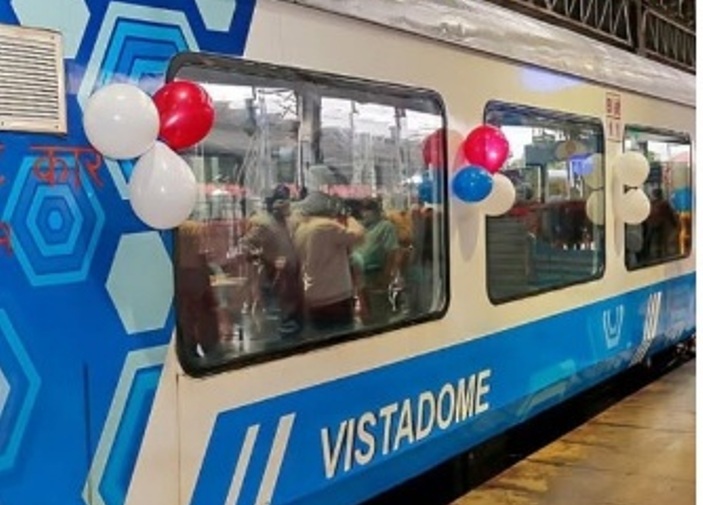
To improve regional connectivity, Assam CM wants to add new trains and expand the rail network.

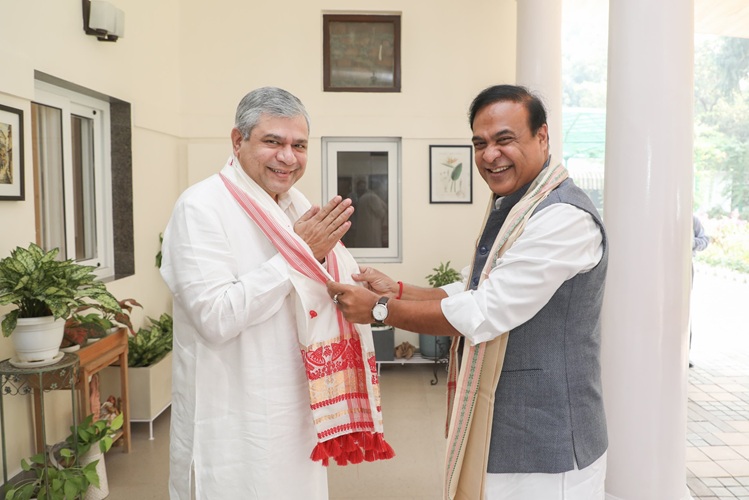
Assam Chief Minister Himanta Biswa Sarma met Union Railway Minister Ashwini Vaishnaw in New Delhi to discuss the expansion of Assam’s railway network and strengthen regional as well as cross-border connectivity. During the meeting, Sarma proposed three new Amrit Bharat trains for the state, a new rail corridor linking Umrangso in Dima Hasao with Lanka in Hojai, and faster execution of the Kokrajhar–Gelephu Mindfulness City railway project connecting Assam to Bhutan. He also sought more train stoppages across smaller towns to enhance accessibility. The Railway Minister assured positive and time-bound action on all proposals.