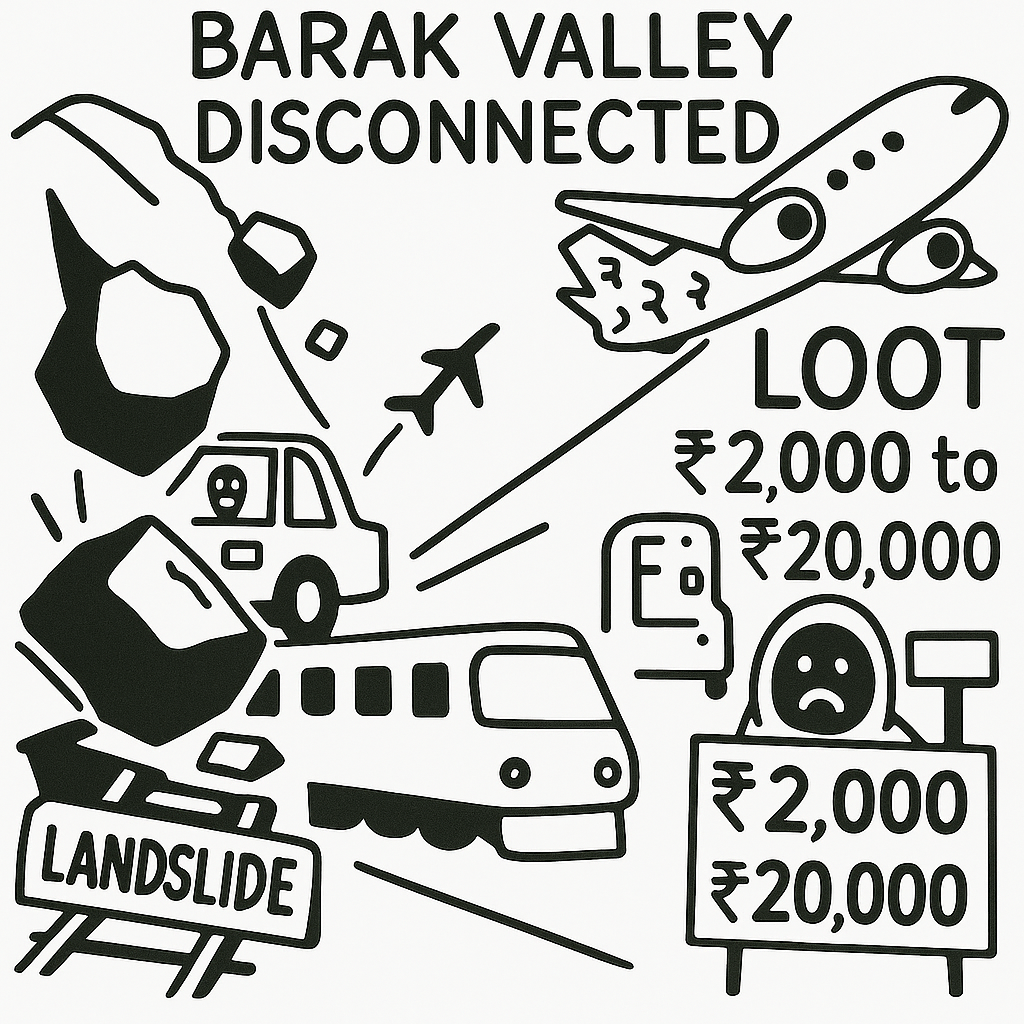
Due to landslides, NH-29 and NH-2 are temporarily closed in Nagaland; alternate routes have been offered.

The Deputy Commissioner of Kohima, B. Henok Buchem, has ordered the immediate and temporary closure of a stretch of National Highway 29 at Chainage KM 175.350 near the Old KMC dumping site, following landslide damage that rendered the road unsafe for vehicular traffic. This closure will remain in effect until further notice. Light motor vehicles are being diverted via the Jotsoma Bypass Road, while heavy vehicles, military and paramilitary convoys, mid-size pickups, and commercial passenger vehicles are rerouted through the Peducha Bridge–Tsiesema (10 Mile Road). Any violation of these orders may invite prosecution.

Additionally, a landslide on National Highway 2 at Chainage KM 12.900 near Tsiesema Basa has completely blocked the highway. Light motor vehicles are advised to use an alternative route via High Court Junction, Meriema, Nagaland University Campus, and Tsiesema Basa. Given the narrowness of this alternate road, traffic for heavy vehicles, including those bound for Manipur and Dimapur, will be regulated by traffic police based on road conditions. Motorists are urged to follow the diversions and exercise caution while traveling in affected areas.
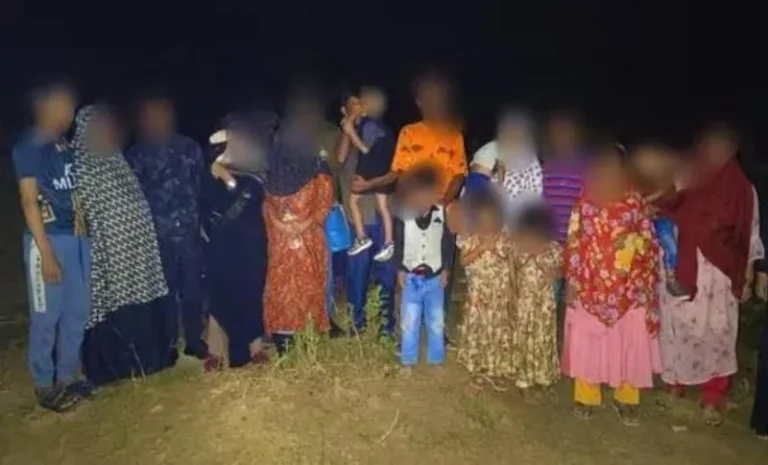

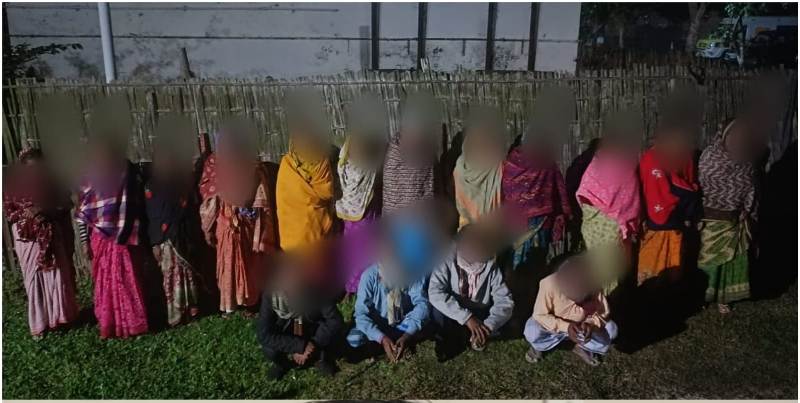
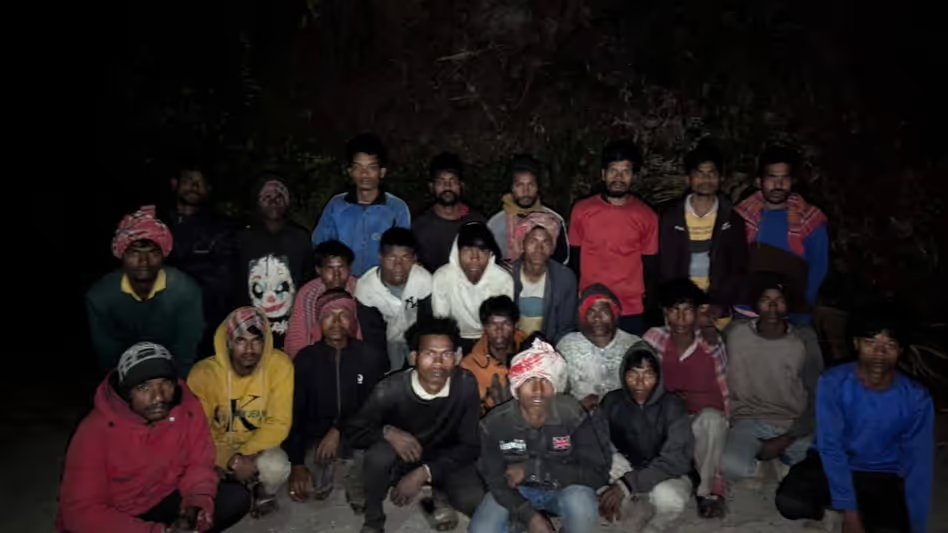
51 alleged Bangladeshi infiltrators are pushed back by Assam from the Sribhumi border.

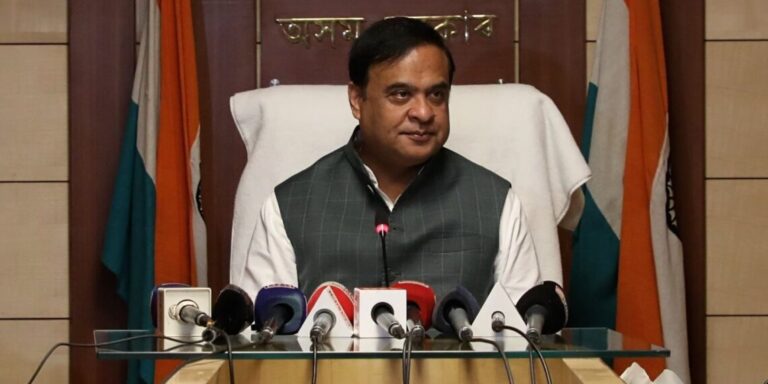
Assam Chief Minister Himanta Biswa Sarma confirmed that 51 suspected Bangladeshi nationals were detained near the international border in Sribhumi between August 24 and 26 and subsequently pushed back into Bangladesh. Of these, 30 were caught on August 24 and 21 on August 26. Sarma highlighted the operations in posts on X, reiterating his government’s resolve to continue anti-infiltration drives “unabated.”

Separately, Assam Police intercepted six more Bangladeshi nationals—including two children—in South Salmara Mankachar district on August 24. Police said the group had traveled from Jammu and Kashmir via Guwahati and intended to cross the border illegally, but were intercepted before succeeding.

According to officials, the groups included women and children and were sent back with Border Security Force assistance. Sarma has maintained that illegal infiltration remains a serious challenge, with some infiltrators already residing in Assam using forged documents. As part of the state’s tighter measures, the government has put Aadhaar enrolment on hold for adults above 18 years to prevent misuse by undocumented entrants.

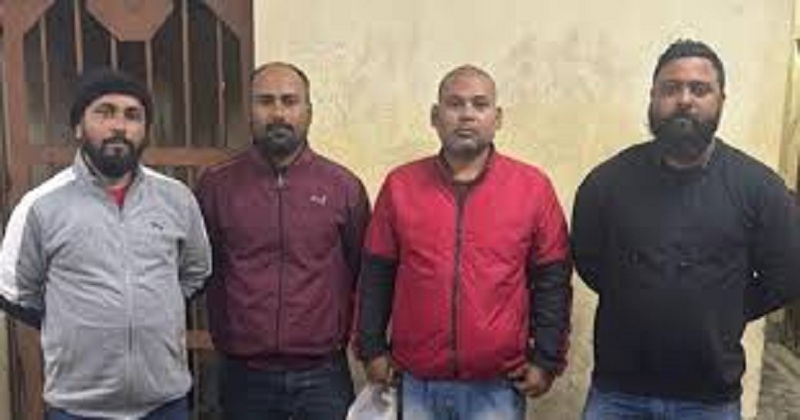
A guy from Guwahati was arrested for defrauding the Arunachal BSNL tower project of Rs 52 lakh.

A Guwahati-based businessman has been arrested for allegedly duping contractors of over ₹52 lakh in a BSNL tower construction project in Arunachal Pradesh, police said on Wednesday. The 41-year-old accused, who had evaded arrest for nearly a year, was caught in Guwahati in a joint operation by Arunachal and Assam police.

According to West Siang SP Kardak Riba, the man secured sub-contracts for building BSNL mobile towers in Aalo and other areas, but withheld payments to local contractors after collecting the full amount from the primary contractor. Following the completion of civil works for seven towers, he went incommunicado, switched off his phone, and absconded.

Police termed the August 25 arrest a major breakthrough, hinting at a larger network of fraud in government-linked projects. Similar complaints have emerged from Papum Pare, Daporijo, and other districts. A case has been registered under sections of cheating and criminal conspiracy, with investigations aimed at tracking down the accused’s associates and mapping the full scope of the racket.

Under the new SOP, land transactions among various faiths in Assam will be closely examined.

The Assam government has rolled out a Special Operating Procedure (SOP) to regulate land transfers between individuals of different religions, Chief Minister Himanta Biswa Sarma announced on Wednesday. Cleared by the state cabinet, the SOP requires the Assam Police Special Branch to vet such transactions, examining issues like fraudulent practices, funding sources, the impact on local social dynamics, and national security implications before approval is granted.

Sharma clarified that the procedure will not apply to transactions between people of the same religion, but will be mandatory for interfaith transfers and for land purchases by NGOs from outside Assam seeking to establish educational or healthcare institutions. Stressing caution, he said, “In a sensitive state like Assam, land-related matters must be addressed with utmost care.”

Assam LoP requests a human rights investigation following the GMCH infant death.

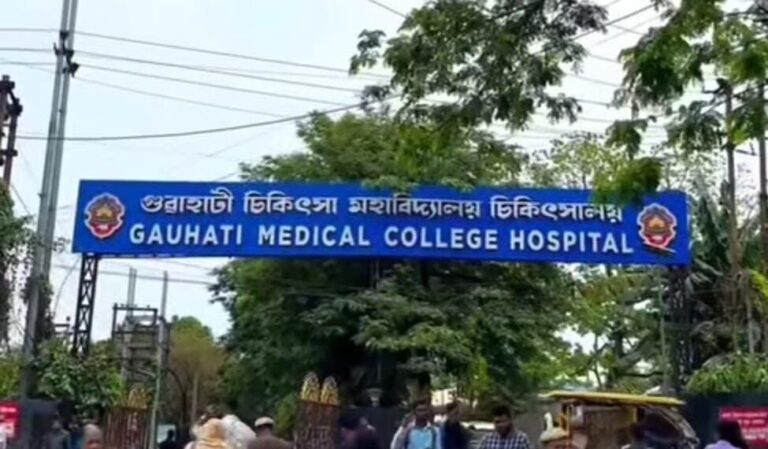
Leader of the Opposition in Assam, Debabrata Saikia, has written to the Assam Human Rights Commission (AHRC) urging an independent inquiry into the death of a newborn at Gauhati Medical College and Hospital (GMCH) on August 18. The four‑day‑old infant, admitted to the NICU for treatment of jaundice and infection, was found dead entangled in medical wires. Saikia alleged that overcrowding, staff shortages, and negligence led to the tragedy, terming it a “gross violation of fundamental human rights.”

He requested the AHRC to take suo motu cognisance under Section 21(5) of the Protection of Human Rights Act, 1993, and demanded a time‑bound probe by an expert panel. The Congress leader also sought accountability from the state government, interim compensation of ₹10 lakh under the Assam Victim Compensation Scheme, 2012, and protection for the grieving parents. Citing repeated lapses in public hospitals, Saikia pressed for urgent reforms, calling the incident a stark reminder of systemic failures in Assam’s healthcare infrastructure.

Assam’s craft sector gains momentum as Barpeta holds a RAMP workshop on accessing international markets.

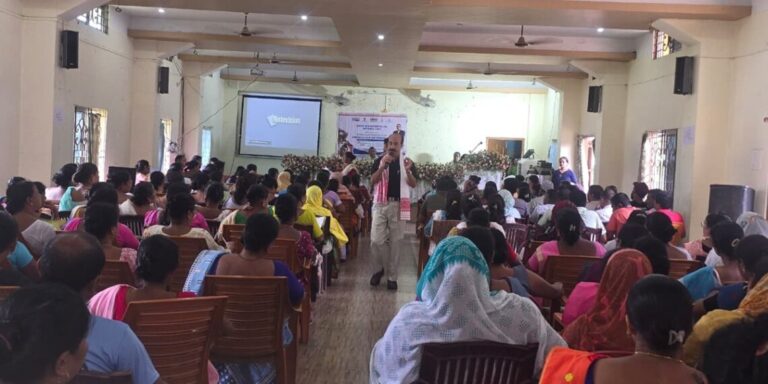
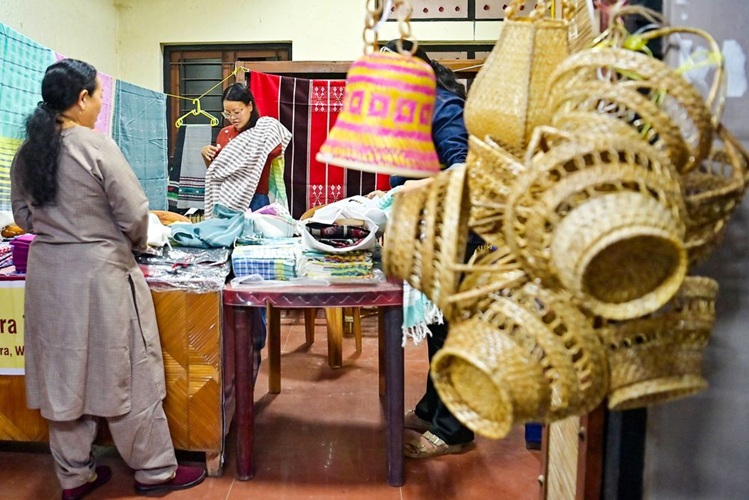
The handloom and handicraft sector in Barpeta received a major boost with a day-long technical workshop organised under the Raising and Accelerating MSME Performance (RAMP) scheme on Wednesday. Bringing together nearly 250 artisans, craftsmen, and entrepreneurs, the event focused on skill development, branding, and digital commerce adoption to enhance global competitiveness of Assamese crafts. Supported by DICC Barpeta, ASIDC, and NEHHDC, the workshop featured sessions on product design, packaging, ODOP/ GI tagging, and access to e-commerce platforms like ONDC, GeM, Amazon, and Flipkart. Experts also guided participants on financial literacy, SHG funding, and export opportunities. Officials emphasised that the initiative, aligned with the “Make in Assam” vision, would help local crafts establish a strong presence in national and international markets. The programme concluded with a product exhibition, certificate distribution, and a call to leverage RAMP for scaling up Barpeta’s traditional industries.

For uncommon disorders, the center names Assam Medical College & Hospital a “Centre of Excellence.”

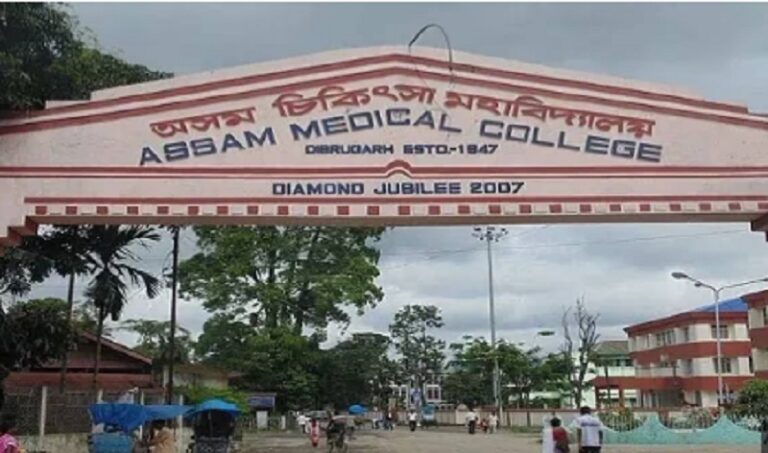
The Government of India has designated Assam Medical College & Hospital (AMCH), Dibrugarh, as a Centre of Excellence for Rare Diseases under the National Policy for Rare Diseases (NPRD), 2021. With this recognition, AMCH becomes the first medical institute in Assam and the Northeast to receive the status, joining a select group of 15 such centres across India. The designation is expected to boost diagnosis, treatment, and research for rare and complex diseases, benefitting patients across the entire Northeastern region.

CM Khandu said Arunachal Pradesh is making “remarkable progress” in the power industry under the STDS plan.

Arunachal Pradesh Chief Minister Pema Khandu has said the state is witnessing “remarkable progress” in the power sector under the Strengthening Transmission and Distribution System (STDS) scheme. Calling it a transformative step towards reliable electricity access, he said the initiative has already reached 16 districts, covering remote households, towns, and institutions. With an investment of ₹4,788 crore, the project has commissioned one 220 kV substation, ten 132/33 kV substations, over 2,000 km of high-capacity transmission lines and 4,000 km of 33 kV lines. Khandu emphasised that the improved transmission network is not just about lighting homes but also about enabling industries, expanding services, and creating digital and economic opportunities for the youth. The scheme is being rolled out in phases to eventually cover the entire state.

As BPCL and OIL establish a joint venture, Arunachal will receive a city gas network.

Arunachal Pradesh is set to get its first city gas distribution (CGD) network, following an agreement signed on Tuesday between Bharat Petroleum Corporation Ltd (BPCL) and Oil India Ltd (OIL) to form a joint venture for the project. The initiative will establish Compressed Natural Gas (CNG) stations and provide Piped Natural Gas (PNG) connections to households, industries, and commercial establishments, significantly improving access to clean energy in the state.

The agreement was formalised at BPCL’s corporate office in Mumbai, in the presence of BPCL Chairman and Managing Director Sanjay Khanna and OIL Chairman and Managing Director Ranjit Rath. Khanna said the move reflects BPCL’s commitment to strengthening energy access in the North-East, while Rath noted that the project builds on OIL’s existing hydrocarbon operations and the recently commissioned Kumchai–Kusijan pipeline, reinforcing the Centre’s hydrocarbon vision for the region.

Authorities said the initiative will not only promote sustainable and inclusive growth but also provide Arunachal Pradesh with a stronger gas-based energy infrastructure, supporting its long-term socio-economic development.

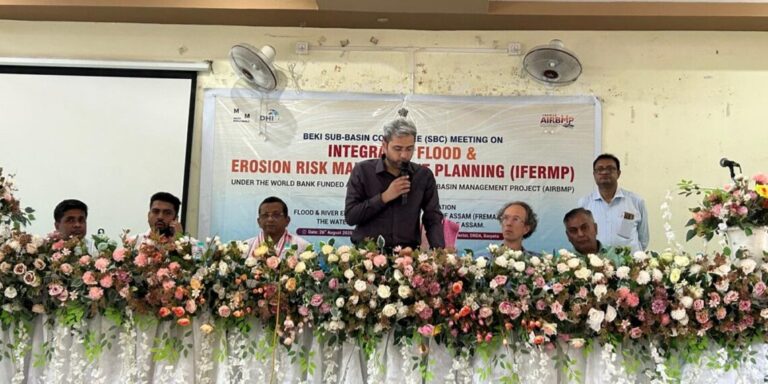
Barpeta hosted a workshop on flood and erosion risk management for the Beki Sub-Basin.

A one-day workshop on Integrated Flood and Erosion Risk Management Planning (IFERMP) for the Beki sub-basin was held on Tuesday at the DRDA Training Hall in Barpeta, bringing together representatives from six districts—Barpeta, Nalbari, Chirang, Baksa, Tamulpur, and Bajali. The meeting, organized under the World Bank-funded Assam Integrated River Basin Management Project (AIRBMP) and implemented by FREMAA and the Water Resources Department, is aimed at preparing comprehensive flood forecasting and risk management plans for the Brahmaputra sub-basins.

Chairing the session, Barpeta Deputy Commissioner Rohan Kumar Jha called for a coordinated approach involving technical expertise, ecological preservation, and community participation. He noted that the effort goes beyond reviewing data—its true purpose is to ensure reliable water access for farmers, protect ecosystems, and build resilient communities in the face of recurring floods and climate variability.

The workshop was attended by senior district officials, engineers, and international experts including Rob Nieuwenhuis from the Netherlands and hydrologist Dr. Arnab Sarma, reflecting the participatory and scientific approach being adopted. Sub-Basin Committees are being notified to expedite planning and implementation, marking a significant step towards sustainable and inclusive water governance in Assam.