Sikkim’s round-the-clock emergency centres improve preparedness for disasters.

The Sikkim State Disaster Management Authority (SSDMA) has launched a 24×7 State Emergency Operation Centre (SEOC) in Gangtok, along with District Emergency Operation Centres (DEOCs) across all six districts, to enhance disaster readiness and public safety. These centres will serve as critical coordination hubs, ensuring real-time emergency response. Citizens can access support via helpline numbers and email, reinforcing SSDMA’s commitment to rapid disaster response and risk mitigation.
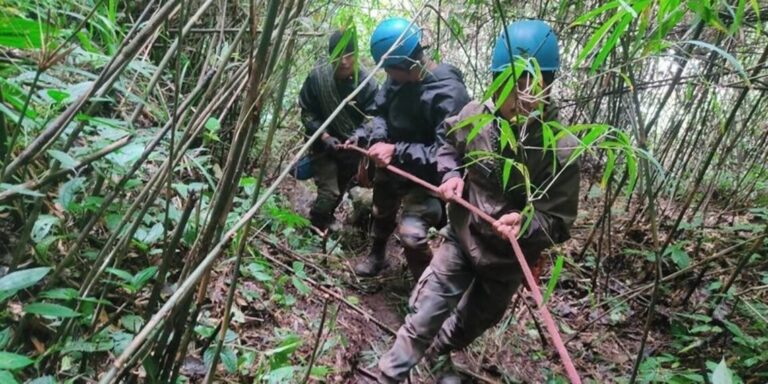
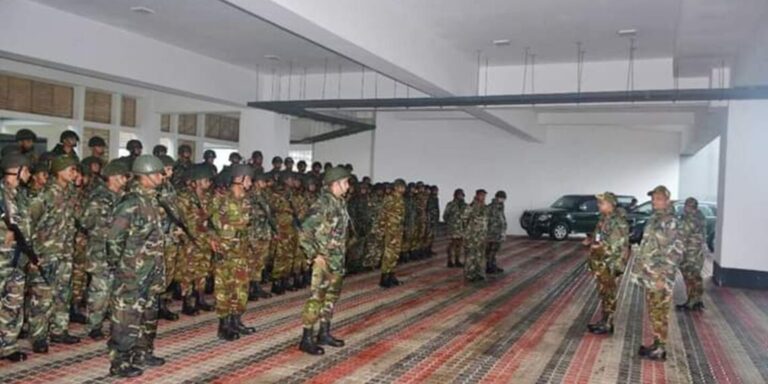
Above For three days, Bangladesh Army officers informed BNP leadership on the negative effects of the “humanitarian corridor.”

Bangladesh’s proposed “humanitarian corridor” for Myanmar’s Rakhine State has sparked political and military discussions. Secret meetings between Bangladesh Army officials and BNP leaders led to the party’s opposition, with senior BNP figures questioning the move. The Army leadership appears divided, as General Waker-uz-Zaman held high-level meetings today, signaling internal tensions over the corridor. Meanwhile, the military imposed restrictions on public gatherings in key Dhaka areas, escalating concerns over the unfolding situation.

India intends to avoid Bangladesh by building a maritime road corridor from Shillong to Kolkata.

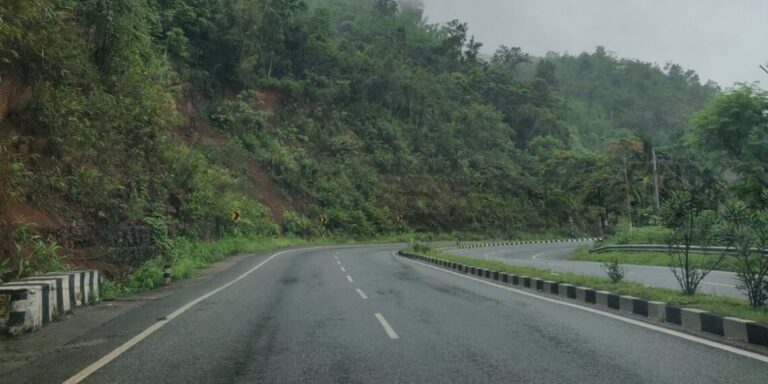
The Indian government has approved the construction of a 166.8 km high-speed highway linking Shillong (Meghalaya) to Silchar (Assam) as part of a broader corridor connecting the Northeast to Kolkata via sea, bypassing Bangladesh.
With a Rs. 22,864 crore investment, the four-lane highway aims to cut travel time from 8.5 hours to just 5 hours, improving strategic connectivity under India’s Act East Policy. The route will integrate with the Kaladan Multi-Modal Transit Transport Project, reinforcing self-sufficiency and national security in the eastern frontier.
Beyond geopolitics, the project is expected to boost trade, attract investment, and strengthen economic ties with Southeast Asia, solidifying the Northeast as a vital gateway.

Assam’s Tiranga Yatra is led by Union Minister Sarbananda Sonowal.

Union Minister Sarbananda Sonowal led the Tiranga Yatra in Dibrugarh and Tinsukia, celebrating the success of Operation Sindoor and paying tribute to India’s Armed Forces. He emphasized the valour and strength of India’s military, crediting Prime Minister Narendra Modi’s decisive leadership for the nation’s victory over Pakistan-sponsored terror hubs.
Sonowal reiterated India’s zero-tolerance stance on terrorism, asserting that any misadventure will meet a swift response. The Yatra, inspired by PM Modi’s call for national unity, has emerged as a symbol of patriotism, reinforcing India’s commitment to sovereignty and security.

To guarantee a continuous monsoon supply, the Tripura Power Minister cancels staff leave.

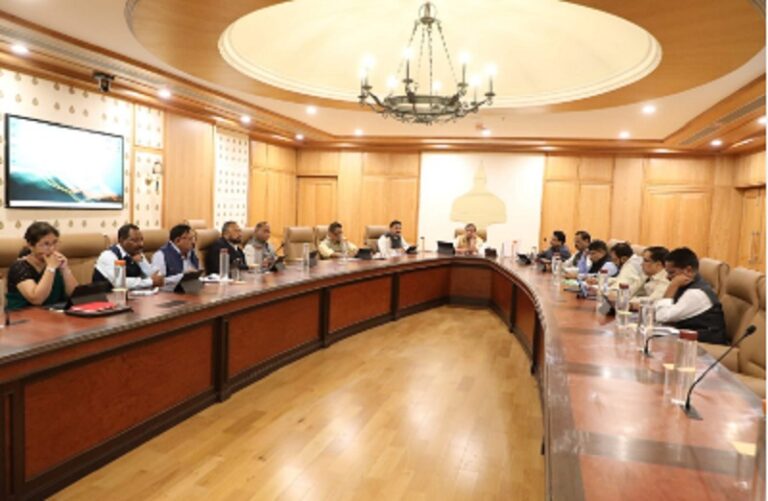
Tripura Power Minister Ratan Lal Nath has directed the cancellation of all scheduled leave for power department staff during May and June, except in medical emergencies, to ensure uninterrupted electricity supply amid monsoon challenges. Following a high-level review meeting, officials affirmed Tripura State Electricity Corporation Limited (TSECL) is fully prepared, with maintenance nearing completion and additional precautions in vulnerable zones.
The minister emphasized the importance of service reliability, hinting at possible post-monsoon incentives for staff dedication. Officials reassured citizens that despite planned maintenance outages, service delivery will remain uncompromised.

Mizoram’s Horticulture College’s academic building is inaugurated by Union Minister Shivraj Singh Chouhan.

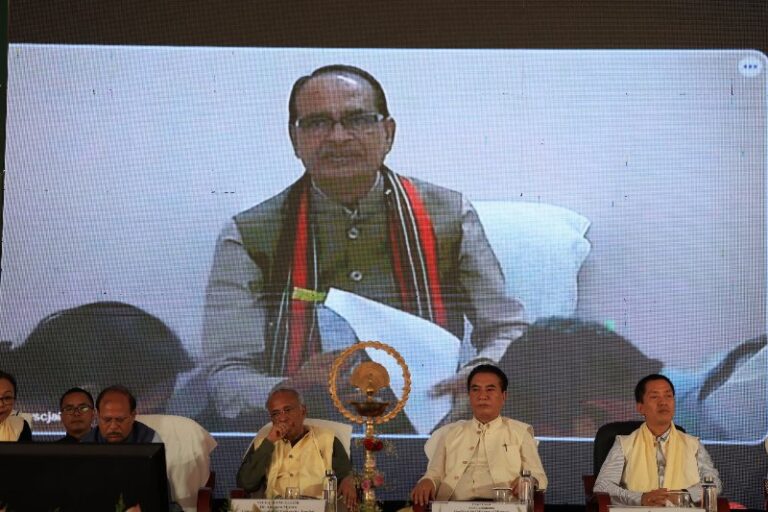
Union Minister for Agriculture & Farmers’ Welfare Shivraj Singh Chauhan virtually inaugurated the newly constructed Academic cum Administrative building of the College of Horticulture, Thenzawl, and the PG girls’ hostel at the College of Veterinary Sciences & Animal Husbandry, Selesih.
Addressing the event, Chauhan emphasized Mizoram’s fertile land and climatic advantages for agricultural and horticultural development, despite its challenging terrain. He highlighted the vast potential for horticulture expansion, noting that only 10% of cultivable land is currently utilized.
Mizoram Chief Minister Lalduhoma and Governor Gen. Dr. VK Singh underscored the significance of these institutions under Central Agriculture University (CAU) in advancing education and agricultural self-reliance in the region.

The Supreme Court invalidates environmental approvals that were granted after the fact.

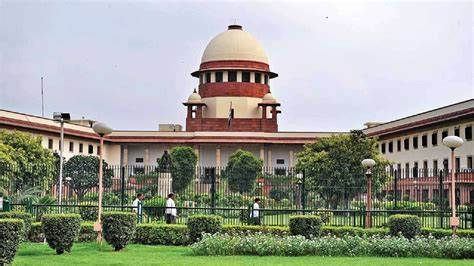
The Supreme Court has ruled against the Central government’s practice of granting retrospective environmental clearances, striking down previous notifications that permitted post-facto approvals for mining and industrial projects. The verdict emphasizes strict compliance with the Environment Impact Assessment (EIA) Notification, 2006, reinforcing the necessity of prior approval for operations.
The bench, led by Justices Abhay Shreeniwas Oka and Ujjal Bhuyan, declared ex-post facto environmental clearances unlawful, preventing future regularization of projects initiated without mandatory approvals. The ruling marks a significant shift in environmental governance, ensuring accountability and safeguarding the right to a pollution-free environment.

Assam: Barak Valley residents express concern over FCI DM Sandeepan Borthakur’s transfer

In a major administrative reshuffle, Sandeepan Borthakur, Divisional Manager of the Food Corporation of India (FCI), Barak Valley, has been transferred after a tenure marked by sweeping reforms. Since 2023, Borthakur spearheaded initiatives to streamline the Public Distribution System (PDS), curb pilferage, and enhance transparency, significantly improving FCI’s credibility in the region.
His leadership fostered strong collaboration with the District Administration, ensuring fair paddy procurement for local farmers and reinforcing food security. His departure has triggered concern among residents and stakeholders who commend his transformative approach.
His successor, Narender Kumar, assumes charge, with expectations high for continued reform and efficiency within the system.

The Assam government announces its anti-human trafficking and anti-witch-hunting strategy.

In a landmark move to safeguard human rights, the Assam government has notified the Assam State Policy to Combat Human Trafficking and End Witch-Hunting. The policy aims to ensure dignity, safety, and equal opportunities for all individuals in the state, addressing these crimes through prevention, protection, and rehabilitation of survivors.
Recognizing human trafficking as a growing organized crime and witch-hunting as a social crime deeply rooted in cultural practices, the policy calls for urgent interventions. It builds on the Assam Witch Hunting Act, 2018, which criminalized witch-hunting but has yet to fully eliminate the practice, with 32 cases registered between 2022-24.
The Department of Women and Child Development will serve as the nodal body for implementation, coordinating efforts across core and allied departments. Committees at the state, district, and gaon panchayat levels will be formed to ensure effective action.

The Awami League has consistently recovered in Bangladesh.

“The Awami League, the party instrumental in leading Bangladesh to freedom from Pakistani colonial rule, is once again prey to assaults by those who have historically been uncomfortable with its role in Bengali life. … Every time the Awami League has been under assault from martial law or unconstitutional regimes, it has bounced back through the dedication of its leaders, workers and nationwide supporters.”