ASSAM RIFLES SEIZES HEROIN WORTH ₹3 CRORES IN CACHAR DISTRICT, ASSAM

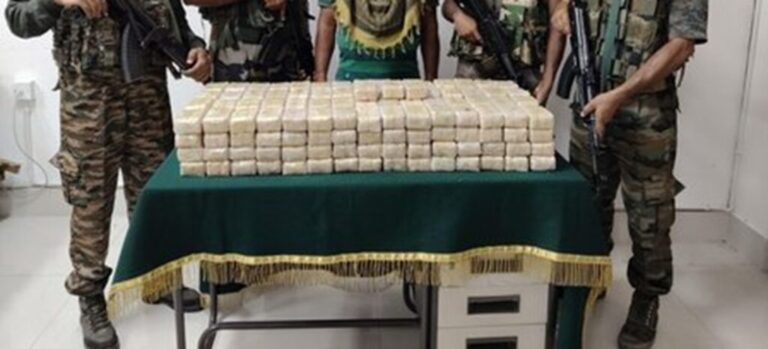
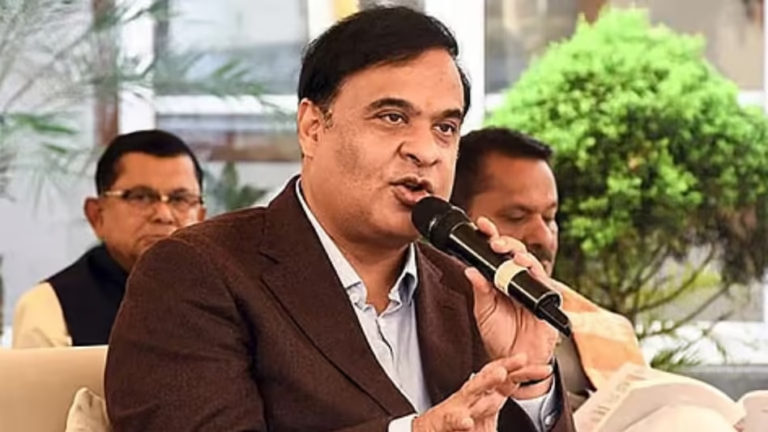
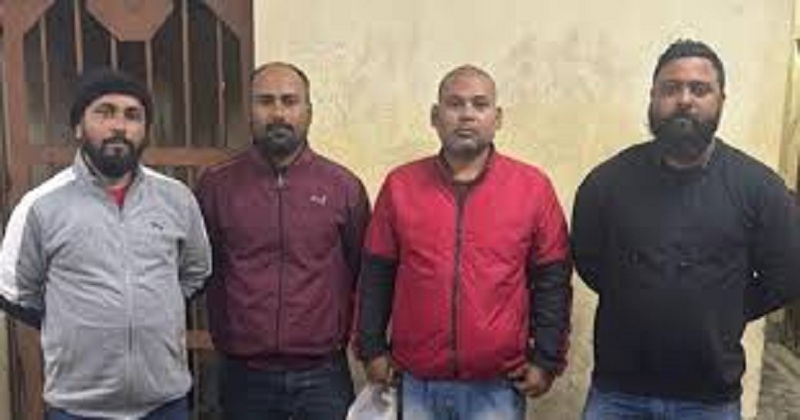
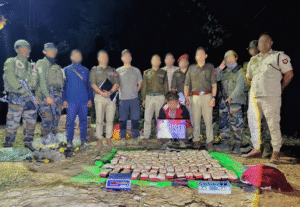
“In a significant joint operation near Pailapool in Cachar district, Assam Rifles along with Assam Police recovered 401 grams of heroin worth approximately ₹3 crore. The contraband was being transported in a Scorpio vehicle, concealed within secret compartments. The driver, Dilwar Hussain of Patharkandi, was apprehended, and the vehicle was impounded. The operation, based on reliable intelligence, targeted drug trafficking networks using Cachar as a transit route. Assam Rifles, known for its frontline role in anti-narcotics operations in the region, emphasized this seizure as a major milestone in disrupting narcotics smuggling. The case has been registered under the NDPS Act, and investigations continue. Chief Minister Himanta Biswa Sarma reaffirmed the government’s zero-tolerance policy towards drugs, highlighting the commitment to keeping Assam drug-free.”​

Assam will declare a 3% job reserve and provide workers access to tea garden land.

“Assam Chief Minister Himanta Biswa Sarma announced a landmark bill to be introduced in the Legislative Assembly on November 25, which will transfer land ownership from tea garden owners to workers who have lived on these estates for generations. Speaking at the Assam Tea Tribes Students Association conference, Sarma declared the government’s commitment to securing land rights for tea garden communities, many of whom are descendants of labourers brought to Assam over two centuries ago. In addition to land redistribution, the government will implement a 3% reservation quota for tea garden youth in Assam Civil Service and Assam Police Service, along with the creation of magistrate and Deputy Superintendent of Police posts specifically in tea garden areas.

Sarma reaffirmed that securing land rights is essential for the socio-economic security of tea garden workers and is a priority in his tenure. The tea tribes community, integral to Assam’s cultural and economic fabric for two centuries, stands to gain enhanced opportunities for advancement through these measures, moving closer to inclusion in the mainstream economy.”

Tripura cracking down on drugs: 90,000 bottles of prohibited syrup and 896 kg of ganja are confiscated.

“Tripura’s ruling BJP-led government has intensified anti-drug operations in the last ten days, which led to the recovery of contraband items, including cannabis, heroin, and yaba tablets, across the state recently, Chief Minister Dr. Manik Saha said on Saturday. As part of the operation, the police and intelligence agencies seized 896 kilograms of ganja, 90,617 bottles of cough syrup, 180 yaba tablets, and 27.78 grams of heroin from various locations. His remarks came two days after a wagon-load of narcotics was recovered from a goods train at Jirania in West Tripura. In total, 15 NDPS cases were registered, and 16 people were arrested. Saha reaffirmed the government’s zero-tolerance policy, pledging to gift ‘a drug-free future to the youths.’ The seized contraband, estimated at over ₹134 crore, underscores growing smuggling activity through Tripura’s borders with Bangladesh and other northeastern states.”​

Amit Shah: While Assam has reduced infiltration, Bengal is giving illegal immigrants the “red carpet.”

Amit Shah asserted that infiltration has been successfully halted in BJP-ruled Assam, but it continues unabated in West Bengal due to political patronage, which he described as a “red carpet welcome” for illegal immigrants. Addressing a media conclave in Patna, Shah criticized the West Bengal government for allegedly facilitating the entry of infiltrators, contrasting it with Assam’s situation where border security measures have been effective. He emphasized that dense forests, rivers, and topographical challenges make fencing and vigilance difficult along the Bangladesh border, which he said hampers security efforts.​

Shah also linked the rise in the Muslim population in border states to infiltration, citing data from the 2011 Census. He claimed that the Muslim population in Assam increased by 29.6% in ten years, which he argued could not happen without infiltration, especially in districts where growth rates have reached up to 70%. He further accused political parties of treating infiltrators as a “vote bank,” and warned that continued illegal immigration would convert India into a “Dharamshala” for infiltrators.​​

Additionally, Shah reiterated the Centre’s “Detect, Delete, and Deport” policy aimed at eliminating infiltrators from the voter lists and deporting them. He criticized opposition parties for objecting to electoral roll revisions and underscored the importance of border security, stating that geographical challenges, like floods and dense forests, complicate fencing and patrols along the Bangladesh border.​

The controversy over infiltration remains a key political issue, especially ahead of upcoming elections in West Bengal, where Shah called on voters to oust Chief Minister Mamata Banerjee to ensure a “drive out every infiltrator” campaign is successful.​

This summary integrates information from recent web sources, providing a detailed overview of Amit Shah’s claims and the ongoing political debate around infiltration and border security.

Unauthorised stores close to Sonapur’s Zubeen Garg Crematorium are targeted by the NHAI.

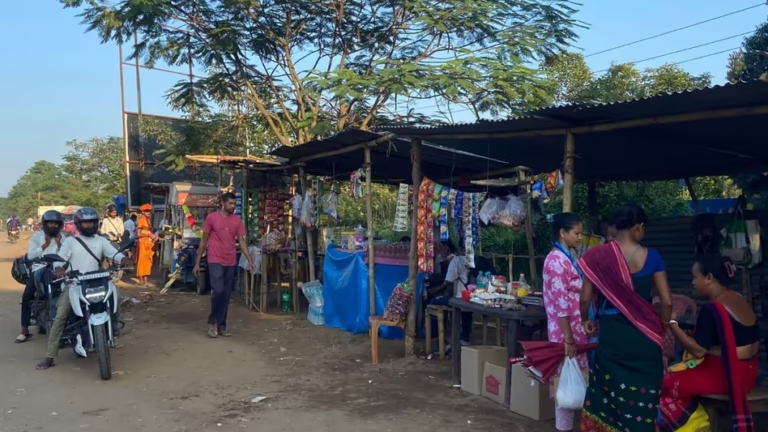
The National Highway Authority of India (NHAI) has initiated an eviction drive against unauthorised shops operating near the cremation site of noted singer Zubeen Garg at Sonapur, along NH-27. On October 17, several local establishments, including Lakhi Hotel, received six-day eviction notices for allegedly encroaching on government highway land.

The notices, supervised by Biswa Jyoti Lahkar, Highway Administrator and Project Director of NHAI PIU-Guwahati, cited safety risks due to shops being too close to the busy road. Shop owners have been asked to submit representations to the NHAI Guwahati office before enforcement begins.

Officials clarified that the action is in line with the National Highway (Land and Traffic) Act, 2002, aimed at maintaining road safety and orderly use of highway land. The operation comes amid increased public movement around the site, now regarded as a cultural and emotional landmark. Authorities assured that clearance will be done systematically, balancing safety measures and local sentiments.

In the upcoming Assembly session, the Assam government will present a bill that will grant tea garden workers land rights.

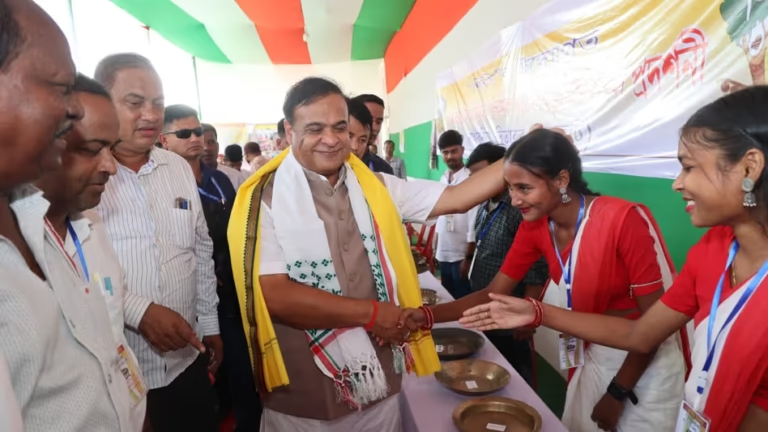
Chief Minister Himanta Biswa Sarma flagged off 80 ‘Sanjeevani’ mobile medical units to enhance healthcare in remote tea garden areas. He announced plans for a week-long cultural festival in New Delhi in 2026 to promote Assam’s traditional dances like Bihu, Jhumoir, and Bagurumba. Sarma said the initiative aims to take Assam’s culture to a global audience and uplift tea garden communities. He also outlined education measures, including setting up 100 new high schools by January 2026 and reserving 30 medical seats along with 3% of Grade III and IV government jobs for tea garden and Adivasi students.

Himanta Biswa Sharma says that Singapore Police would meet with the Assam SIT team on October 21.

Assam Chief Minister Himanta Biswa Sharma announced that the Singapore Police will meet with the Assam Police team investigating singer Zubeen Garg’s death on October 21. The Chief Minister stated that this marks another step toward justice for the late artist. The team, led by ADGP (CID) and SIT head Munna Gupta, will coordinate with Singapore authorities to ensure a transparent investigation. The meeting aims to facilitate the exchange of crucial evidence and information between both agencies in pursuit of justice for Zubeen Garg.Assam Chief Minister Himanta Biswa Sharma announced that the Singapore Police will meet with the Assam Police team investigating singer Zubeen Garg’s death on October 21. The Chief Minister stated that this marks another step toward justice for the late artist. The team, led by ADGP (CID) and SIT head Munna Gupta, will coordinate with Singapore authorities to ensure a transparent investigation. The meeting aims to facilitate the exchange of crucial evidence and information between both agencies in pursuit of justice for Zubeen Garg.

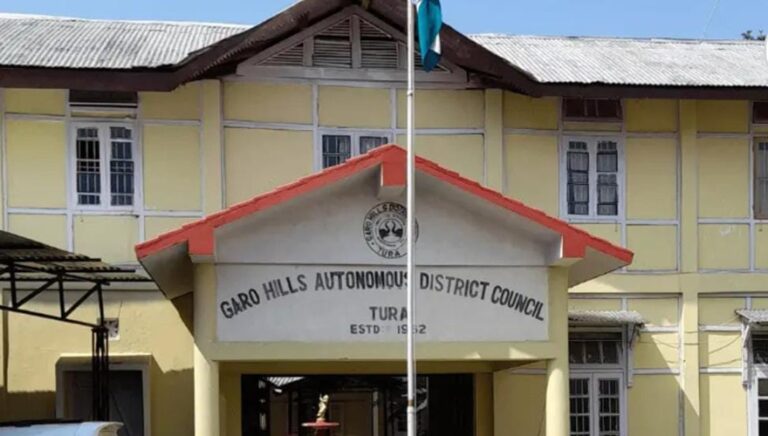
Tura Medical College PPP returns to normal life after protesting against the GHADC salary structure in Meghalaya.

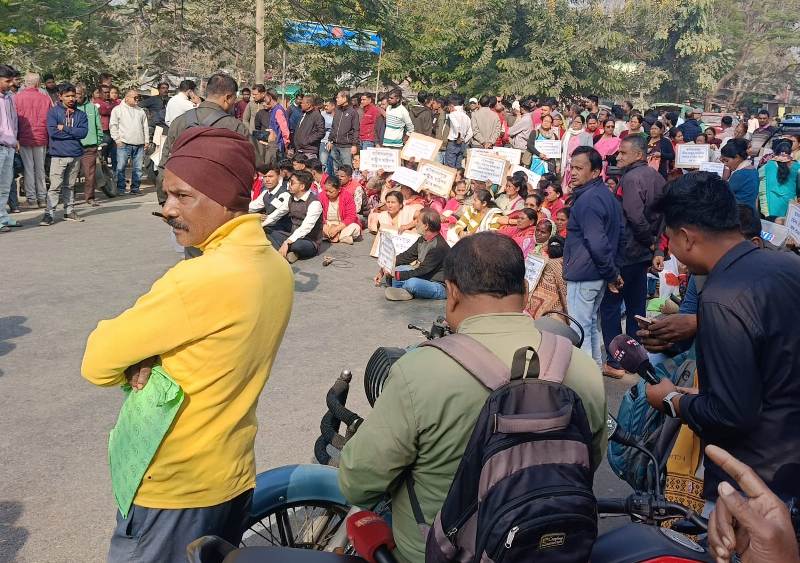
Widespread disruption hit the Garo Hills on Thursday as a two-day Non-Cooperation Movement began at dawn, defying district orders and a Meghalaya High Court ban on such protests. Called by several pressure groups opposing the GHADC salary system and the PPP plan for Tura Medical College, the agitation brought towns like Chibinang to a standstill. Reports of tyre burning in Tura and Dobasipara surfaced early, even as the district administration invoked Section 163 of the BNSS, 2023, to prohibit gatherings and blockades. District officials warned of strict legal action, while police maintained a heavy presence to prevent escalation. The protest is set to continue until Friday evening.

When the river sang twice: Assam’s never-ending lament for two voices that never die.

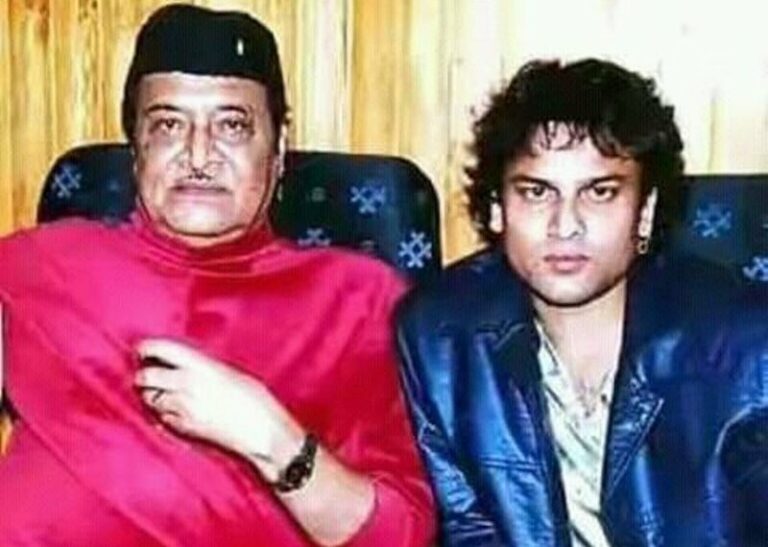
When Assam wept for Zubeen Garg in 2025, its grief felt both new and eternal—a digital echo of the sorrow that once swept through the land for Bhupen Hazarika. Hazarika had given Assam its voice; Zubeen had made that voice a conversation. One belonged to an age of reverence, the other to an age of intimacy. His death unfolded not in silence but through millions of glowing screens, turning mourning into a shared act of love. To compare them is to miss the truth: Assam grieved differently not because it loved one more than the other, but because time itself had changed how love could be expressed.

Prohibition measures are enforced in the Cachar area of Assam near the India-Bangladesh border.

The Cachar district administration in Assam has enforced prohibitory orders along the India-Bangladesh border to curb extremist movements and smuggling. Invoking Section 163 of the Bharatiya Nagarik Suraksha Sanhita (BNSS), the order restricts movement within one kilometre of the border and bans boating, fishing, and nighttime transportation of essential goods near the frontier. Issued by District Magistrate Mridul Yadav, the directive aims to strengthen security and maintain public order, remaining effective for two months unless withdrawn earlier.