Black-clad march reveals “hidden corruption” and campus misrule at Tezpur University protest.

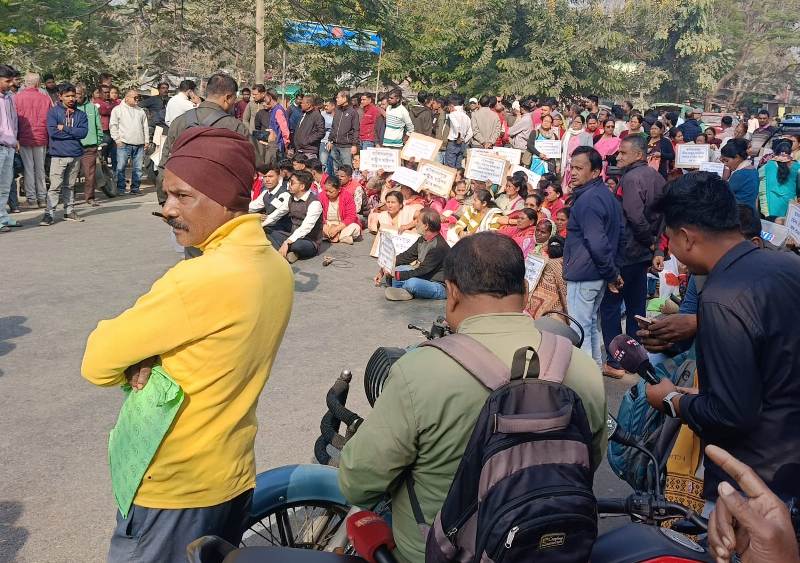
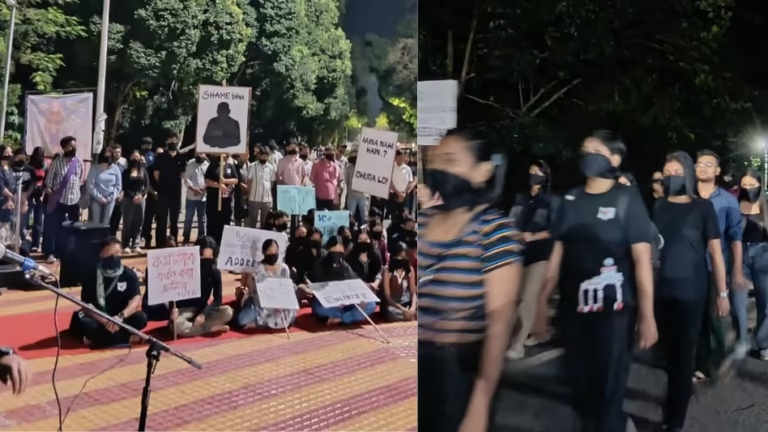
The civil rights movement at Tezpur University marked its 38th day with a powerful black-clad rally symbolizing unity and defiance. Hundreds of students, teachers from the Tezpur University Teachers’ Association (TUTA), and non-teaching staff from the Tezpur University Non-Teaching Employees’ Association (TUNTEA) participated, wearing black clothes and masks to represent institutional mourning and protest the “masked corruption” linked to the absconding Vice Chancellor, Prof. Shambhu Nath Singh.

The protest is rooted in over a month of demands for transparency, ethical leadership, and accountability. Allegations included corrupt administrative practices that compromised academic standards and institutional reputation. Environmental harm was also a concern, with claims of unconsulted destruction of trees and green areas under a misguided “beautification” effort.

Protesters maintained disciplined silence, carried placards, and observed reflective moments to symbolize suppressed voices. The black masks served as metaphors for hidden truths that will eventually emerge.

In a joint statement, TUTA, TUNTEA, and the student body emphasized the movement’s goal to restore integrity and responsible governance at Tezpur University. As the 38th day ended, the campus community remained resolute in continuing peaceful protests until justice prevails and institutional dignity is restored.
Gauhati University disputes allegations of making decisions about honorary degrees unilaterally.

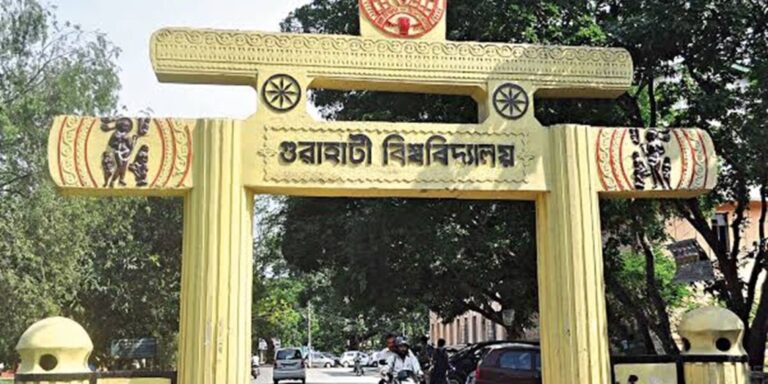
Gauhati University has issued a clarification rejecting allegations that individual officials acted independently in conferring honorary degrees. The university stated that the conferment of honoris causa degrees, such as Doctor of Letters (D.Litt.) and Doctor of Science (D.Sc.), follows a collective and multi-tiered statutory process.

Registrar Prof. Utpal Sarma emphasized that no single person has the authority to grant such degrees. Proposals must first be reviewed by the Executive Council before being sent to the Chancellor and the Governor of Assam for approval. The University Court’s endorsement is required in the final stage.

The statement dismissed recent reports and speculation as baseless, urging the media and public to rely only on verified information. Gauhati University advised stakeholders to follow updates through its official website and verified social media accounts.

Rantu Paniphukan, the leader of the Veer Lachit Sena, was detained in Guwahati during a news briefing.

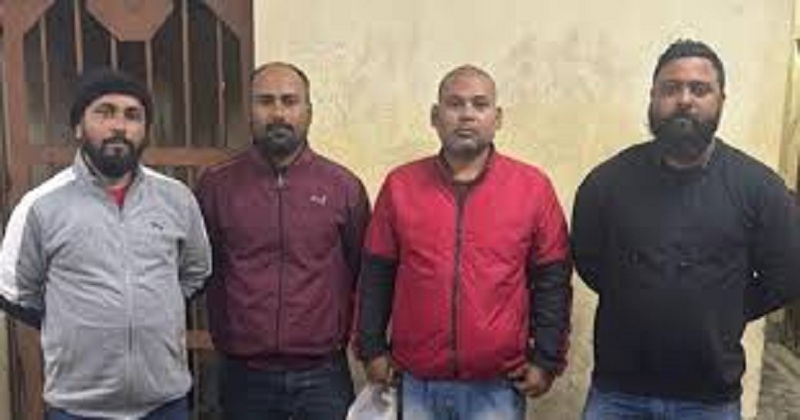
Veer Lachit Sena chief Rantu Paniphukan was arrested by Assam Police during a press conference in Guwahati. The detention occurred unexpectedly amid accusations linked to a kidnapping and extortion case involving organization members. Paniphukan defended the group’s actions, dismissed political motives, and announced an internal investigation. The arrests followed a ransom kidnapping, with police recovering evidence connecting the accused to Veer Lachit Sena, including signed letters and organizational logos. The investigation continues to reveal the full extent of organizational involvement.

In a new draft, Assam proposes a seven-year prison sentence for polygamy: Himanta Biswa Sharma.

The Assam government will introduce a law against polygamy with a minimum seven-year imprisonment provision, regardless of religion. The bill will be tabled in the Assam Legislative Assembly on November 25 during the winter session. Chief Minister Himanta Biswa Sharma made the announcement while launching the second phase of the Mukhya Mantrir Nijut Moina scheme, which has successfully reduced girl student dropouts by providing financial assistance. Sharma also mentioned upcoming bills on “love jihad” and polygamy to be presented in the Assembly.

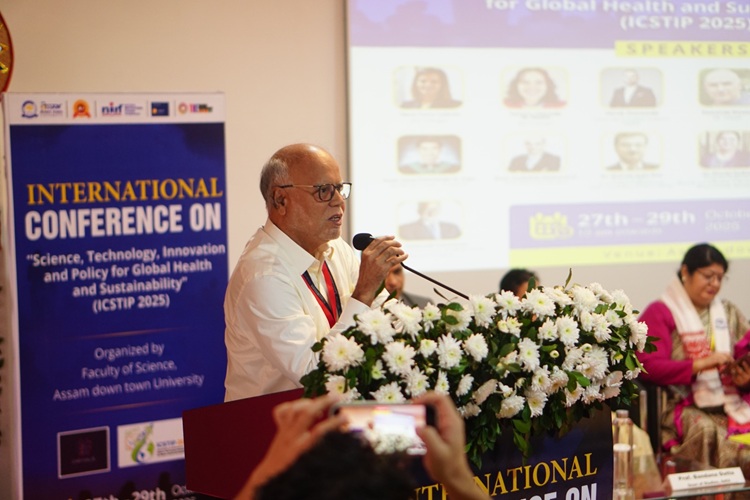
ICSTIP-2025 is being held at Assam Downtown University to encourage sustainability and innovation.

The International Conference on Science, Technology, Innovation and Policy for Global Health and Sustainability (ICSTIP‑2025) began on Monday at Assam down town University, organized by the Faculty of Science. The ceremony opened with the lighting of the lamp and Saraswati Vandana led by Dr. Radali Duarah.

Conference President Dr. Manash Pratim Sarma welcomed delegates and emphasized interdisciplinary collaboration to tackle global and national challenges. Vice‑Chancellor Prof. N. C. Talukdar reaffirmed the university’s dedication to building a robust research culture promoting innovation and sustainability.

The Souvenir and Abstract Book containing participant research papers was released. Chief guest Prof. (Dr.) Kamal Malla Bujarbaruah, former Vice‑Chancellor of Assam Agricultural University, underlined the need for collaborative research for sustainable progress in Northeast India.

Dr. Suraksha S. Diwan, Scientist‑F from the Department of Biotechnology, Government of India, delivered the keynote address on “Harnessing Biotechnology for Sustainable Development in the North Eastern Region — India’s Emerging Growth Engine,” highlighting biotechnology’s role in economic growth and environmental protection.

International speakers Marek Zborowski from Poland and Prof. Vera Ferro Lebres from Portugal shared global perspectives on research and innovation. The session ended with a vote of thanks by Convenor Dr. Partha Pratim Kalita, acknowledging all contributors to the successful inauguration.

Amid an increase in extortion and intimidation cases, the Assam chief minister suggests that Veer Lachit Sena groups like ULFA-I may be banned.

Assam Chief Minister Himanta Biswa Sharma on Monday, October 27, issued a stern warning against the Veer Lachit Sena, saying that the state government is considering strict action, including a possible ban, against the organisation accused of intimidation and extortion. Addressing the media in Guwahati, Sharma said the group has been disrupting peace under the guise of cultural activities and donation drives, adding that the administration will not hesitate to act if necessary. His remarks came after a kidnapping case in Guwahati reportedly linked to individuals associated with the group, prompting intensified surveillance and law enforcement action across the state.

A woman was discovered dead in a Guwahati flat amid claims of drug abuse and a romantic triangle.

Police in Guwahati have launched an in-depth probe following the recovery of Riya Rajbongshi’s body from a rented house in Hatigaon’s Lakhimi Nagar on October 24. The accused, Rohan Kashyap alias Nayan Das, who had been in a live-in relationship with tenant Banjita Rabha, was arrested after initially absconding. Police seized drugs, containers, and ₹1.5 lakh in cash from the scene. Das claimed the victim died of a drug overdose, though investigators are probing possible trafficking links and foul play. He later led police to Maa Kamakhya Hotel in Ulubari, where two mobile phones and 13 grams of suspected brown sugar were recovered. Both accused remain under interrogation as the investigation continues.

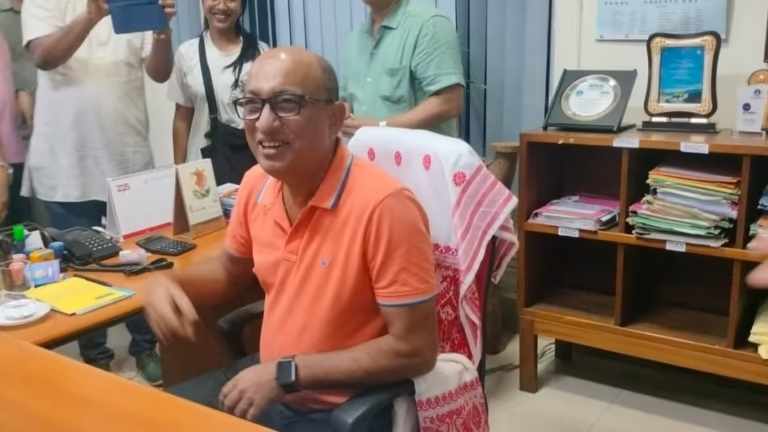
Twenty-four hours ago Prof. Chandan Goswami has been appointed as the Registrar-in-Charge of Tezpur University, replacing Hridoy Saikia.

Just a day after Hridoy Saikia was appointed Registrar In-Charge following Prof. Pritam Deb’s resignation, Tezpur University reassigned Prof. Chandan Goswami from the Department of Business Administration to the same position. The order, issued by Vice-Chancellor i/c Prof. Shambhunath Singh on October 15, 2025, entrusts Prof. Goswami with Registrar In-Charge responsibilities until further notice. These back-to-back appointments, including Saikia’s brief tenure, reflect the university’s commitment to maintaining smooth governance during transitions in its senior administration

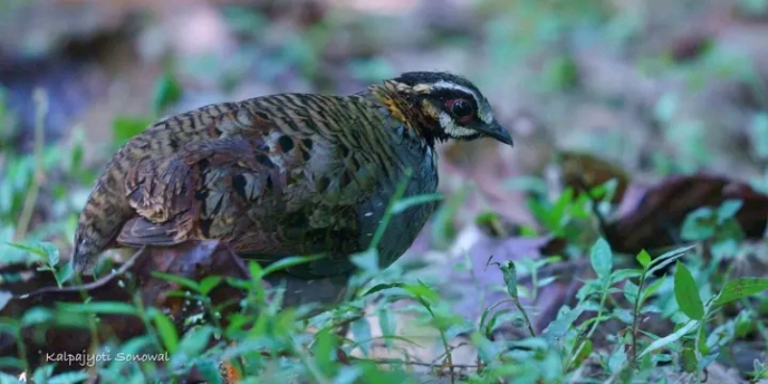
Near Dehing Patkai National Park, a rare white-cheeked partridge was saved in Assam.

A near-threatened White-Cheeked Partridge was rescued from Lakhipathar Reserve Forest near Dehing Patkai National Park in Upper Assam, after local villagers and environmental workers, coordinated by activist Kalpa J. Sonowal, identified and safely returned the bird to its habitat. The species, rare in human-influenced areas, faces ongoing risks from habitat loss. This rescue is hailed as a small but meaningful success in the community’s ongoing conservation efforts to protect the region’s biodiversity.