IED blast on railway track halts train services in Assam.

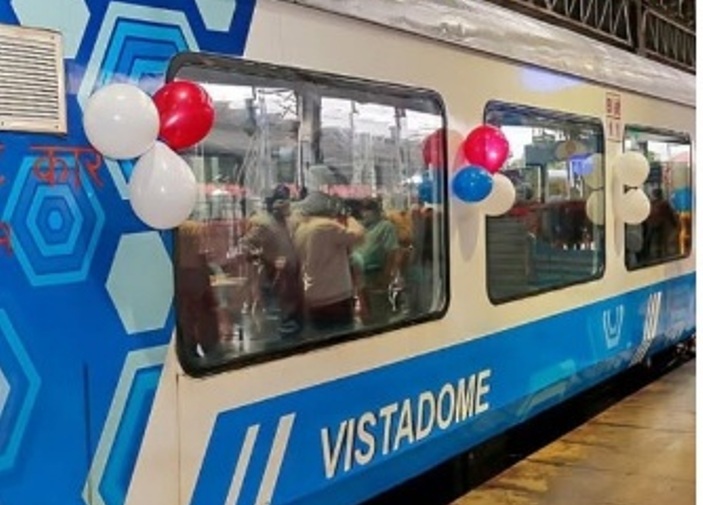
Train services in Lower Assam and parts of North Bengal were disrupted for several hours after an improvised explosive device (IED) exploded on a railway track in Kokrajhar district just after midnight on Thursday. The blast, which occurred about five kilometres from Kokrajhar railway station on the line towards Salakati, damaged nearly three feet of track and scattered fragments in the area. No casualties or derailments were reported. Repairs were completed quickly and services resumed after thorough inspections by railway and security personnel. An investigation has been launched, and security has been stepped up along the route.
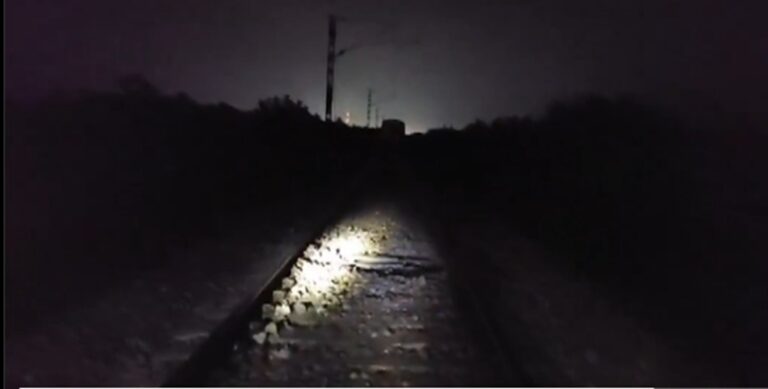
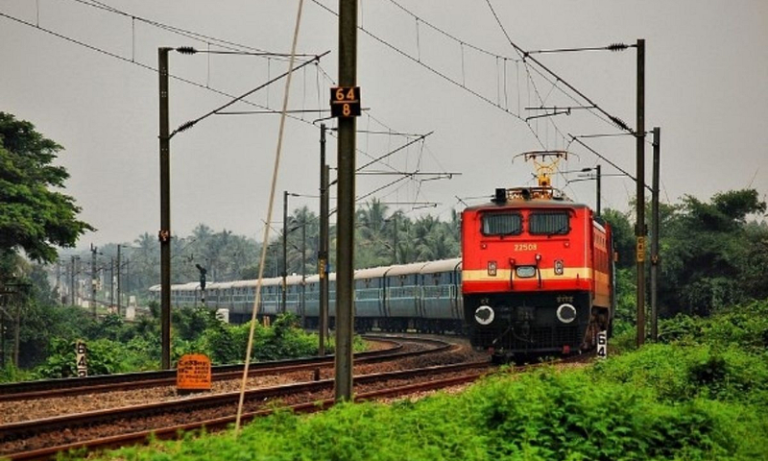
Hours after a possible track explosion in Kokrajhar, train services were resumed in Assam.

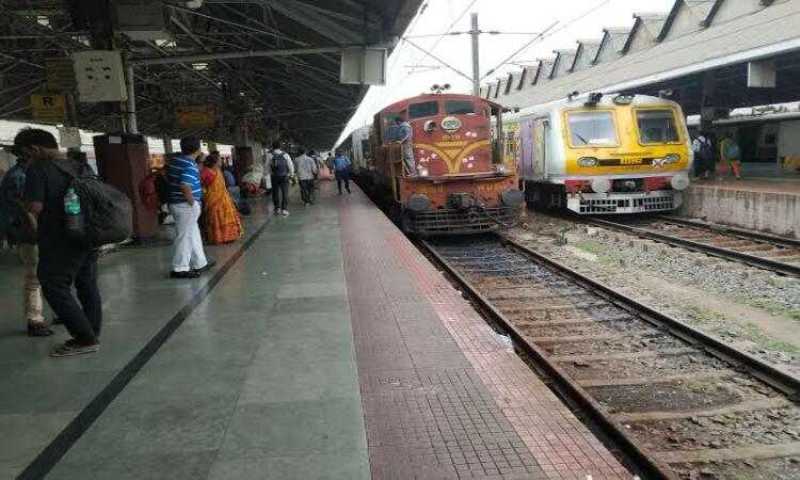
Train operations under the Northeast Frontier Railway (NFR) were temporarily halted early Thursday, October 23, following a suspected explosion on the tracks between Salakati and Kokrajhar stations in Assam’s Kokrajhar district.

According to Kapinjal Kishore Sharma, NFR’s Chief Public Relations Officer, a goods train crew heard a loud noise around 1 a.m. and stopped to inspect the line, discovering track and sleeper damage consistent with a possible explosion. The Railway Protection Force (RPF), Government Railway Police (GRP), and state police were immediately alerted.

Emergency repair teams restored the damaged section by 5:25 a.m., and train movement resumed safely. Around eight trains were delayed by one to two hours as precautionary measures were implemented. Patrols and surveillance were intensified, with additional RPF and engineering personnel deployed across vulnerable areas.

Authorities are investigating the cause of the blast, treating it as a potential security threat while ensuring strict adherence to safety protocols.

A conference supported by BIISS and AFD raises the “humanitarian corridor” problem once again on Bangladesh’s security agenda.

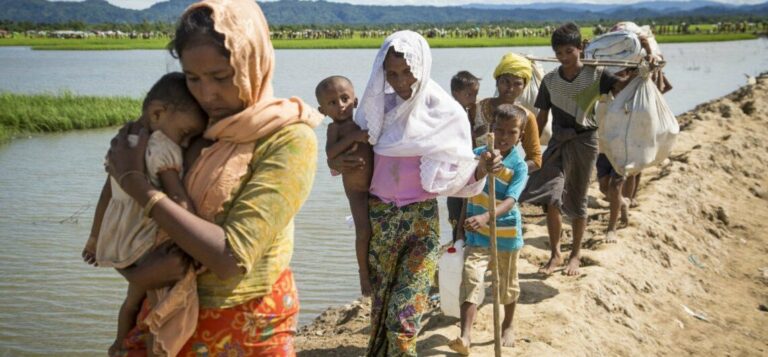
Bangladeshi security officials and diplomats are revisiting the idea of a “humanitarian corridor” to aid safe Rohingya repatriation to Myanmar’s Rakhine State, as violence intensifies along the border. The proposal resurfaced during a Dhaka conference organized by the BIISS and Armed Forces Division, amid reports of increasing cross-border attacks by groups like ARSA and RSO. Officials said the plan aims to ensure an orderly return of refugees, while the UK has also reaffirmed support for Rohingya repatriation in recent diplomatic talks with Dhaka.

To discuss the impending elections in Nepal, Prime Minister Sushila Karki convenes the first all-party meeting.

Nepal’s Prime Minister Sushila Karki chaired her first meeting with major political parties on Tuesday, focusing on preparations for the upcoming general elections and ensuring security. Karki, Nepal’s first woman Prime Minister, called for unity among parties to conduct free and fair elections, while assuring the government would act within legal frameworks and uphold the spirit of the recent youth-led Gen Z protests. Injured leaders from the movement urged firm action against corruption, as senior ministers and party leaders pledged support for the election process.

In Namsai, Arunachal Pradesh, a ULFA (I) cadre was killed in a shootout with government troops.

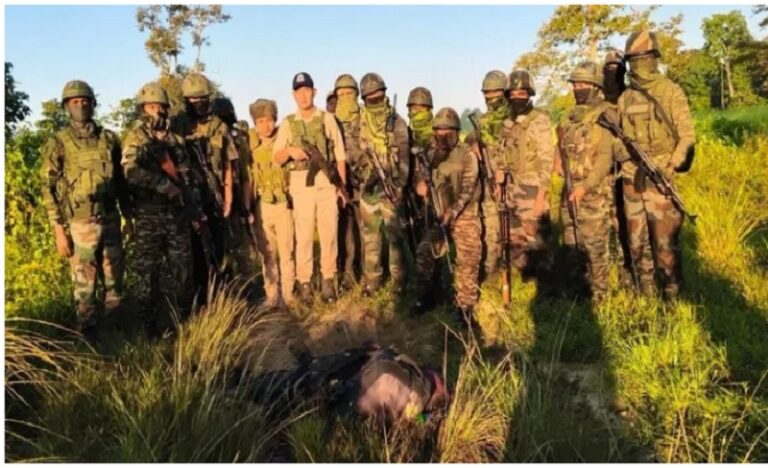
An ULFA (I) cadre was killed in a joint operation by the Indian Army and Assam Rifles in Arunachal Pradesh’s Namsai district. The militant, identified as Iwan Axom, a self-styled Sergeant Major of the banned outfit, was neutralized during a fierce gunfight at the 6 Mile area under Namsai police station. Security forces recovered a rifle, an RPG round, and rucksacks at the site, suggesting the group was preparing for a major attack. The operation, still ongoing, involves police and CRPF support to eliminate any remaining threats along the Assam–Arunachal border.

Paddy harvesting will begin after a peace deal calms the Assam–Meghalaya border.

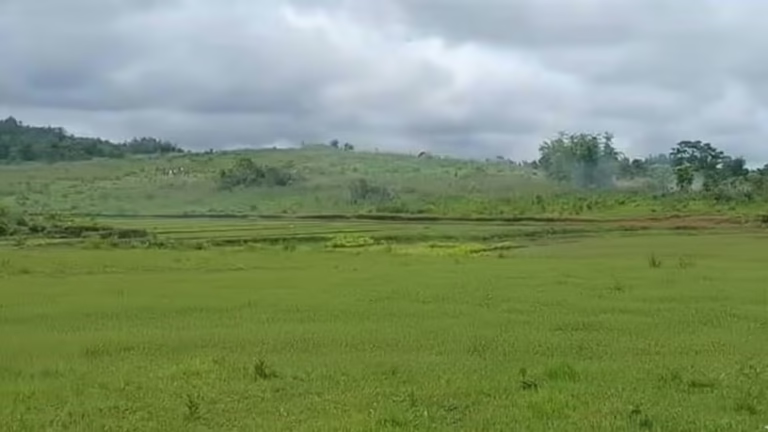
Border tensions between Pnar villagers of Lapangap in Meghalaya and Karbi villagers of Tahpat in Assam have eased after both sides reached a peace pact, enabling farmers to resume paddy harvesting. The agreement followed an October 20 meeting at Khanduli Border Outpost, jointly attended by officials from West Jaiñtia Hills and West Karbi Anglong districts. The talks were aimed at restoring calm after the October 8 clash that claimed one life. Both communities pledged to uphold peace, support investigations, and ensure unrestricted farming. Authorities called the truce a vital step toward rebuilding trust and maintaining stability along the Assam–Meghalaya border.

Truckers in Kolasib, Mizoram, declare a four-day strike due to the state of NH-306.

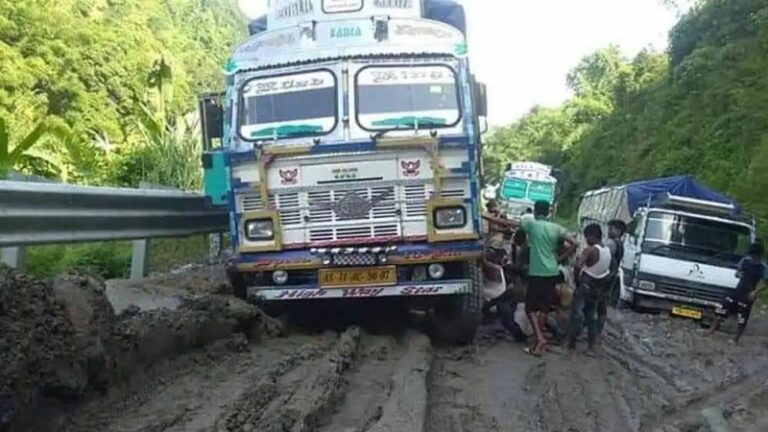
Truckers and commercial vehicle operators in Mizoram’s Kolasib district will observe a four-day strike from October 23 to protest the poor condition of National Highway-306, the state’s main route to Assam. The agitation, organized by the Mizoram Tipper Association and the Joint Action Committee of vehicle owners, will block key highway stretches between Sairang–Vairengte and Kolasib–Bairabi. Association leaders alleged that the roads, freshly repaired a few months ago, have again become dangerously damaged, causing frequent accidents. While government officials say repairs are underway, protesters have accused the NHIDCL of negligence and urged authorities to expedite the work before winter sets in.

Guwahati’s Diwali atmosphere is muted as the state laments Zubeen Garg.

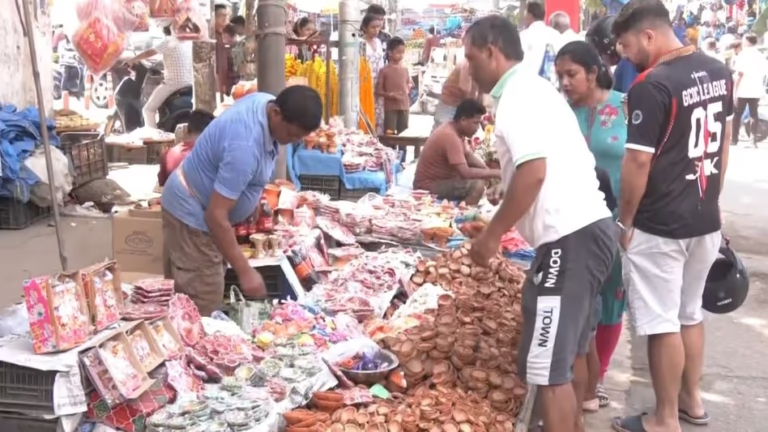
This year, Diwali in Assam is marked by quieter markets and a restrained festive spirit as the state mourns the loss of beloved singer Zubeen Garg. Traditional preparations like purchasing banana plants, diyas, and bamboo sticks continue, but crowds are noticeably smaller and enthusiasm tempered by grief. Many festivities and Kali Puja events are dedicated to Garg’s memory, blending devotion with remembrance. High prices and a somber mood have led many to limit their purchases, with some avoiding firecrackers altogether. Amidst the soft glow of lamps and quiet rituals, the festival is a poignant tribute to one of Assam’s brightest cultural icons.

To safeguard elephants, NFR will install acoustic technology throughout the rail network.

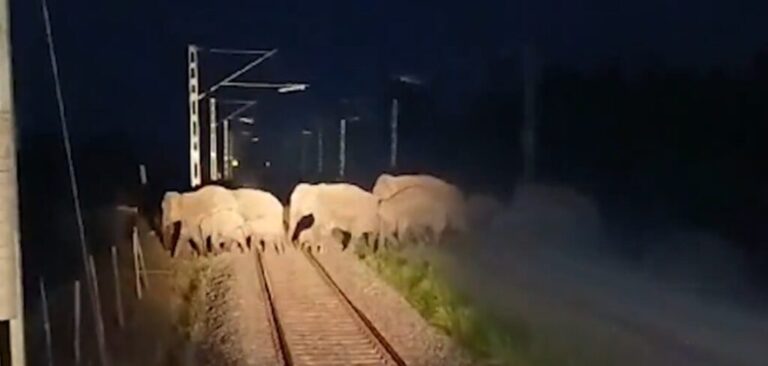
The Northeast Frontier Railway (NFR) is set to roll out an advanced acoustic-based Intrusion Detection System (IDS) by April 2026 to prevent elephant fatalities caused by trains. The IDS uses optical fibre sensing to detect elephant movement near railway tracks, generating real-time alerts for train drivers and control rooms to take timely action. Trials of the system have been successfully completed on four important sections, covering 64.03 km of elephant corridors and 141 km of railway block sections. NFR plans to extend the system to cover the remaining 146.4 km of elephant corridors in its network. This initiative balances wildlife conservation with safe and efficient train operations in forested, elephant-inhabited zones, reaffirming NFR’s commitment to sustainable development and environmental stewardship.

This national-level project sets a benchmark for responsible railway operations in biodiversity-rich areas. It integrates technology with conservation to ensure passenger safety while protecting elephants from train collisions.

This Diwali, Ayodhya Deepotsav breaks two Guinness World Records.

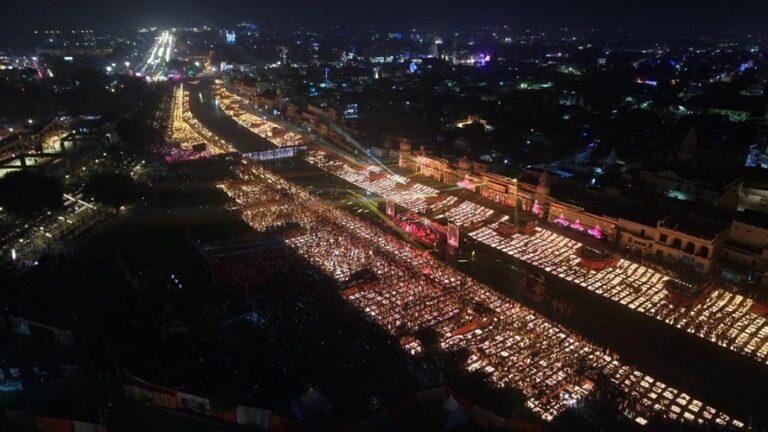
Ayodhya’s Deepotsav 2025 unfolded with record-breaking splendour, lighting up the Saryu River with 26.17 lakh earthen lamps and a synchronised aarti by 2,128 devotees, earning two Guinness World Records. The sacred celebration reaffirmed Ayodhya’s global recognition as a spiritual epicentre and a showcase of India’s cultural heritage.

Cabinet Minister Anil Rajbhar hailed the event as a moment of national pride, calling it a symbol of continuity and devotion. Chief Minister Yogi Adityanath, who presided over the festivities, emphasised Ayodhya’s cultural renaissance since 2017 and drew a contrast between current development efforts and past political neglect.

Political undertones were evident as Rajbhar criticised opposition leaders, accusing them of “disregarding Lord Ram,” while dismissing Akhilesh Yadav’s remarks as politically motivated. Yadav, in turn, pointed to Deputy CM Keshav Prasad Maurya’s omission from official Diwali promotions, fuelling speculation of internal rifts.

Despite the exchanges, the grand spectacle of diyas, chants, and synchronised devotion on the Saryu ghats captured national and global attention — a striking blend of faith, festivity, and political symbolism.